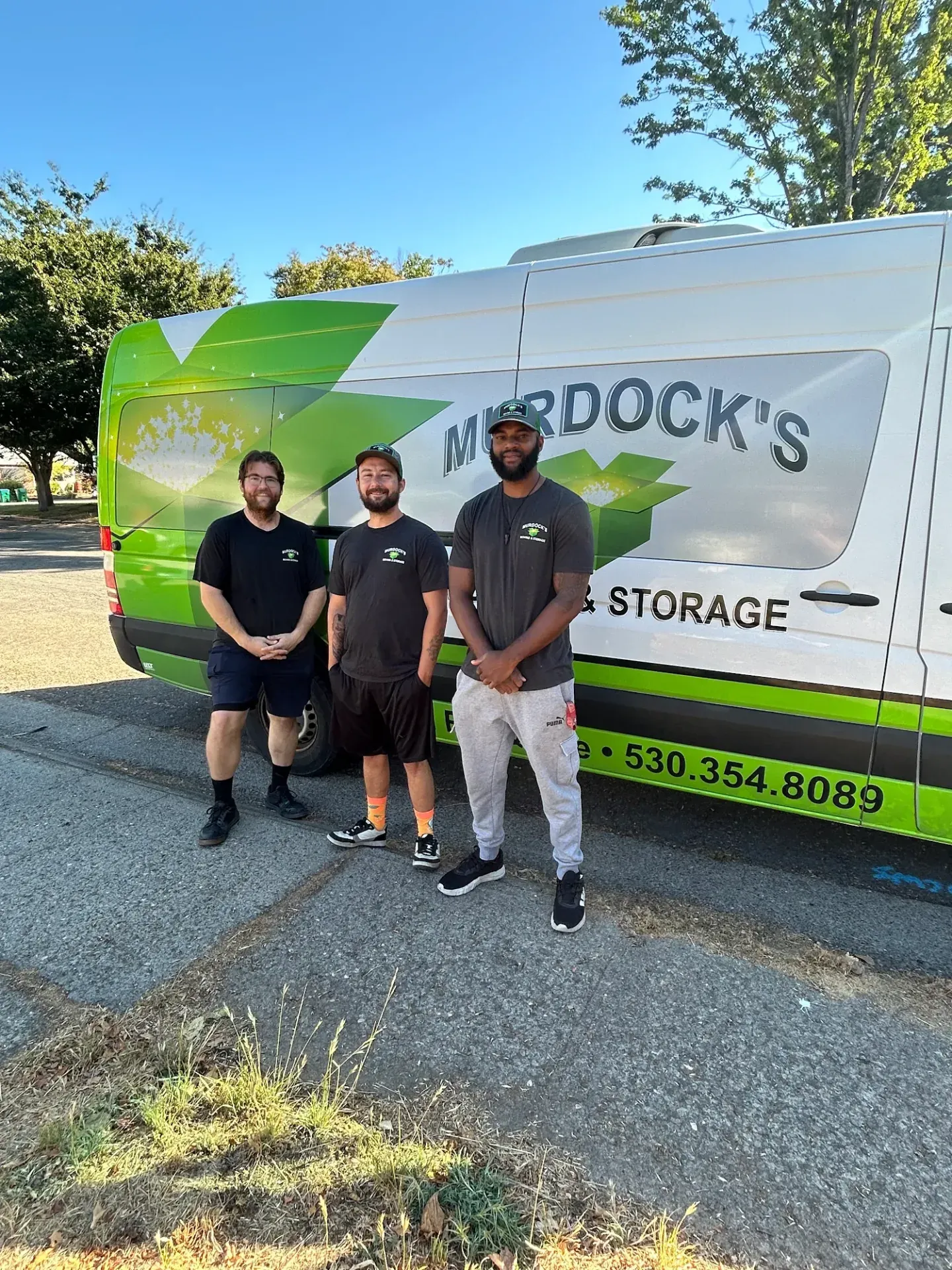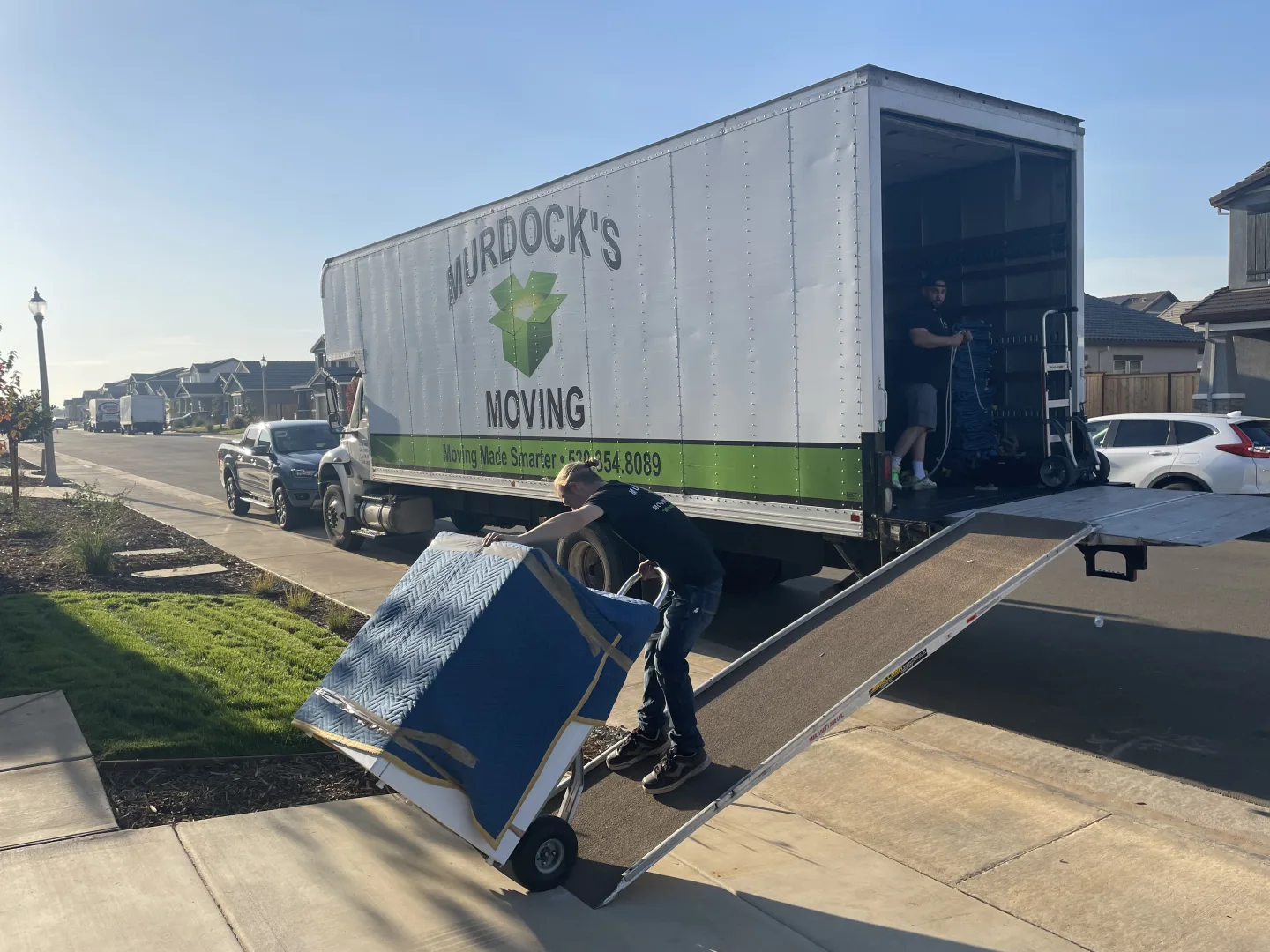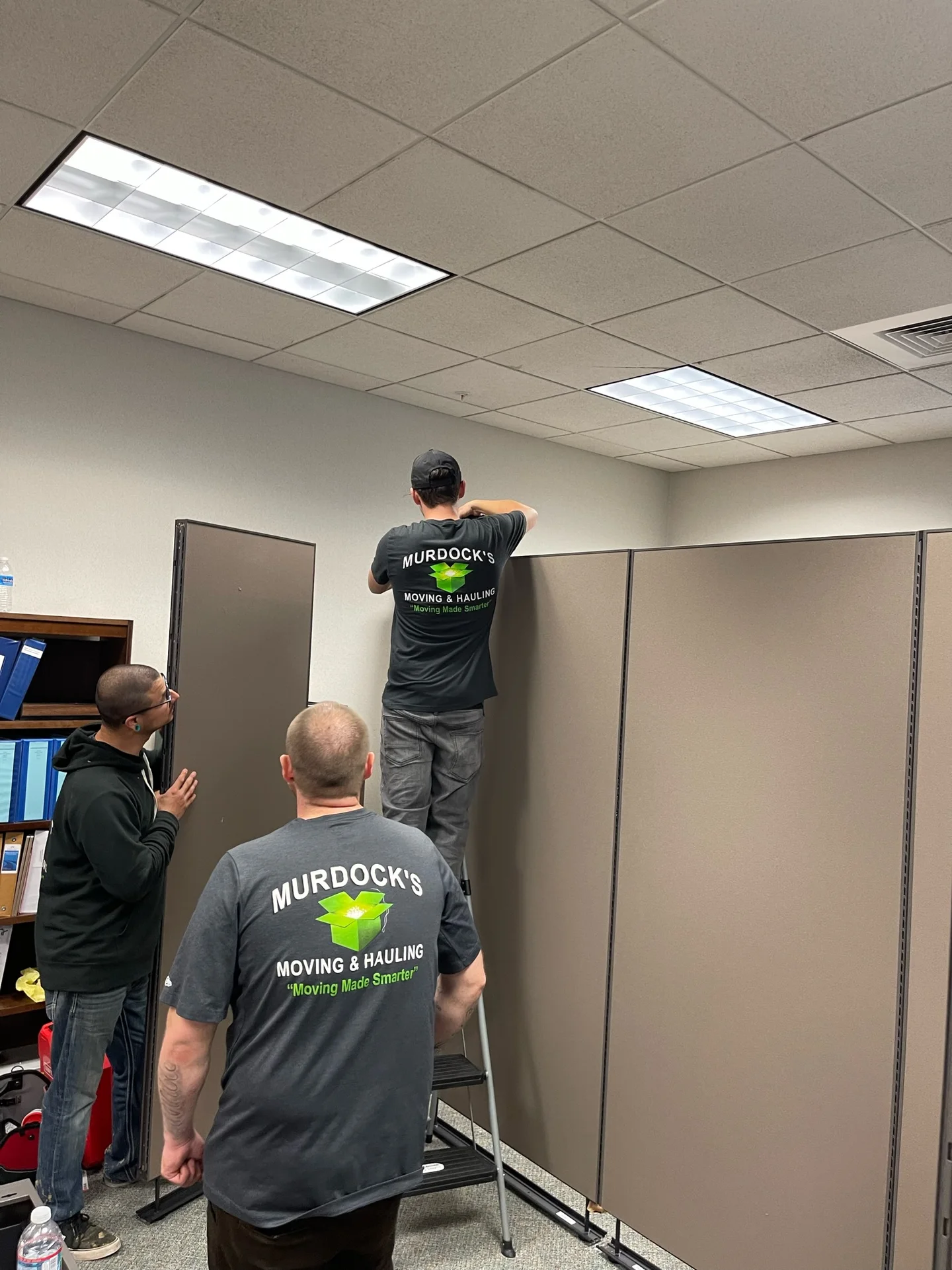
Most business owners plan their office relocation around a lease date, a landlord’s timeline, or a build-out completion — not around the calendar season. That’s understandable; a commercial move is driven by real estate logistics more than anything else. But if you have any flexibility in your timing, fall is quietly one of the smartest windows for a business relocation across the Sacramento Valley, and it’s worth understanding why before you lock in a date.
We’ve handled commercial relocations across Chico, Yuba City, and Sacramento long enough to see the pattern clearly: businesses that move in September, October, or early November tend to have smoother transitions than those squeezed into a summer relocation or a rushed December scramble ahead of year-end. Here’s what makes the fall quarter different.
The Pre-Q4 Window Beats the Post-Holiday Scramble
A huge number of businesses treat January 1 as a symbolic reset point — new fiscal year, new headcount plans, new office if the old one didn’t work anymore. The problem is that everyone has the same idea, which means December and early January are some of the most compressed, high-demand windows for commercial movers, moving companies, IT vendors, and furniture installers alike. Trying to relocate an office in the final two weeks of December, while also managing holiday staffing and year-end financials, is a recipe for a chaotic move that bleeds into January productivity.
Moving in the fall — specifically September through November — lets a business get fully settled into a new space, with phones ringing, internet stable, and signage up, well before the year-end crunch hits. Employees come back from Thanksgiving into a space that already feels normal instead of half-unpacked. And if your business runs on a January 1 fiscal year, you walk into the new year already operating at full capacity in the new location instead of still troubleshooting a move.
A Genuine Lull Before the Holiday Retail and Service Rush
For a lot of businesses across the Sacramento Valley — retail, food service, medical offices, professional services — the stretch from September into early November represents a relative lull compared to what’s coming. Retail businesses are gearing up for but not yet slammed by the holiday shopping season. Medical and dental offices haven’t hit the year-end insurance deductible rush that typically floods December schedules. Professional service firms are past their summer slowdown but haven’t hit the year-end close crunch yet.
That lull is valuable. A relocation inherently costs a business some measure of productivity, whether it’s a day of downtime or a week of reduced capacity while things get sorted. Timing that disruption for the calmest stretch of your business calendar, rather than your busiest, is simply good operational planning.
Cooler Loading Conditions Matter for Commercial Equipment Too
We talk about summer heat affecting residential moves, but it matters just as much, if not more, for commercial relocations. Office equipment, server hardware, medical devices, and specialized commercial equipment often have real temperature sensitivity, and loading a truck full of computers and electronics in a 100-degree parking lot during a July move is a genuine risk to equipment that a September or October move largely sidesteps.
Crews also move faster and more carefully when they’re not fighting extreme heat, which matters even more on a commercial job where minimizing downtime is often the client’s top priority. A four-hour office move that would take five and a half hours in peak summer heat can often be completed closer to schedule in fall’s milder conditions.
Planning an Office Move: What Actually Takes the Time
Business owners are sometimes surprised by what actually eats up the timeline on a commercial move. Physically loading desks, chairs, and file cabinets onto a truck is usually the most straightforward part. What takes real planning:
- IT and infrastructure cutover. Coordinating internet service transfer, phone system relocation, and server or network equipment moves so downtime is measured in hours, not days.
- Furniture disassembly and reassembly, particularly for modular workstations, conference room furniture, and built-in cabinetry that wasn’t designed to be moved in one piece.
- After-hours or weekend scheduling to avoid disrupting customer-facing hours, which requires coordinating crew availability around a narrower window than a typical weekday residential move.
- Building access logistics — loading dock reservations, freight elevator scheduling, and parking arrangements at both the old and new locations, especially for moves involving multi-tenant office buildings in denser parts of Sacramento.
Giving yourself four to eight weeks of lead time lets all of this get planned properly instead of improvised the week of the move.
Minimizing Downtime Without Cutting Corners
The businesses that come through a relocation with the least disruption tend to do a few things consistently: they schedule the physical move for a weekend or evening window, they stage IT cutover to happen in parallel with the physical move rather than after it, and they communicate a clear “back online” date to staff and customers well ahead of time rather than leaving it vague.
We build our commercial crews and scheduling around exactly this kind of coordination, whether that’s a small professional office with a dozen workstations or a larger relocation involving a warehouse or multi-floor operation. Our commercial moving services are structured to work around your business hours, not the other way around.
Sacramento Valley Commercial Growth Is Driving More Fall Relocations
The broader trend across the Valley is worth mentioning too: continued business growth and new commercial development in and around Chico, Yuba City, and the Sacramento metro area mean more companies are outgrowing current spaces or relocating to take advantage of new build-outs. A lot of that new commercial space finishes construction and becomes available in the second half of the year, which naturally pushes a wave of relocations into the September-through-November window regardless of seasonal strategy. If your business is part of that wave, it’s worth leaning into the timing advantages rather than treating fall as just another month on the calendar.
Storage Solutions for Transitional Commercial Moves
Not every commercial relocation is a clean handoff from old space to new. Sometimes there’s excess inventory, seasonal equipment, or furniture that doesn’t have a home in the new floor plan yet. Short-term commercial storage can bridge that gap, letting a business complete its physical move on schedule without being held up by decisions about excess furniture or equipment that can be sorted out after the dust settles.
Get Your Business a Real Moving Estimate
Commercial moves vary enormously based on square footage, IT complexity, and timeline flexibility, so a general estimate isn’t much use. Our free moving estimate can give you a starting figure, and from there we can scope out the specifics of your office, warehouse, or retail relocation with a proper walkthrough.
Whether you’re relocating a growing team in Chico, consolidating operations near Yuba City, or expanding into the Sacramento market, fall gives you a genuine strategic window most businesses overlook simply because they’re planning around a lease date instead of the calendar. If your relocation has any flexibility at all, this is the stretch to use it.
Ready to plan your business’s fall relocation? Call Murdock’s Moving & Storage at (530) 354-8089 and let’s build a timeline that keeps your business running.
RESEARCH CHECK
Sources & Helpful References.
These official resources support the time-sensitive or regulated details discussed in this guide. Information checked August 2026.
- IRS Topic 455: Moving ExpensesCurrent federal guidance for eligible military and intelligence-community moving expenses.
- IRS Form 3903 instructionsEligibility and documentation details for the moving-expense deduction.
- FMCSA SAFER Company SnapshotOfficial federal carrier and safety-record lookup.
- California Bureau of Household Goods and ServicesCalifornia consumer information for household-goods movers.
- California household-mover permit searchSearch current California household-mover permit records.
- National Weather Service heat safetyHeat-risk and heat-illness prevention guidance.