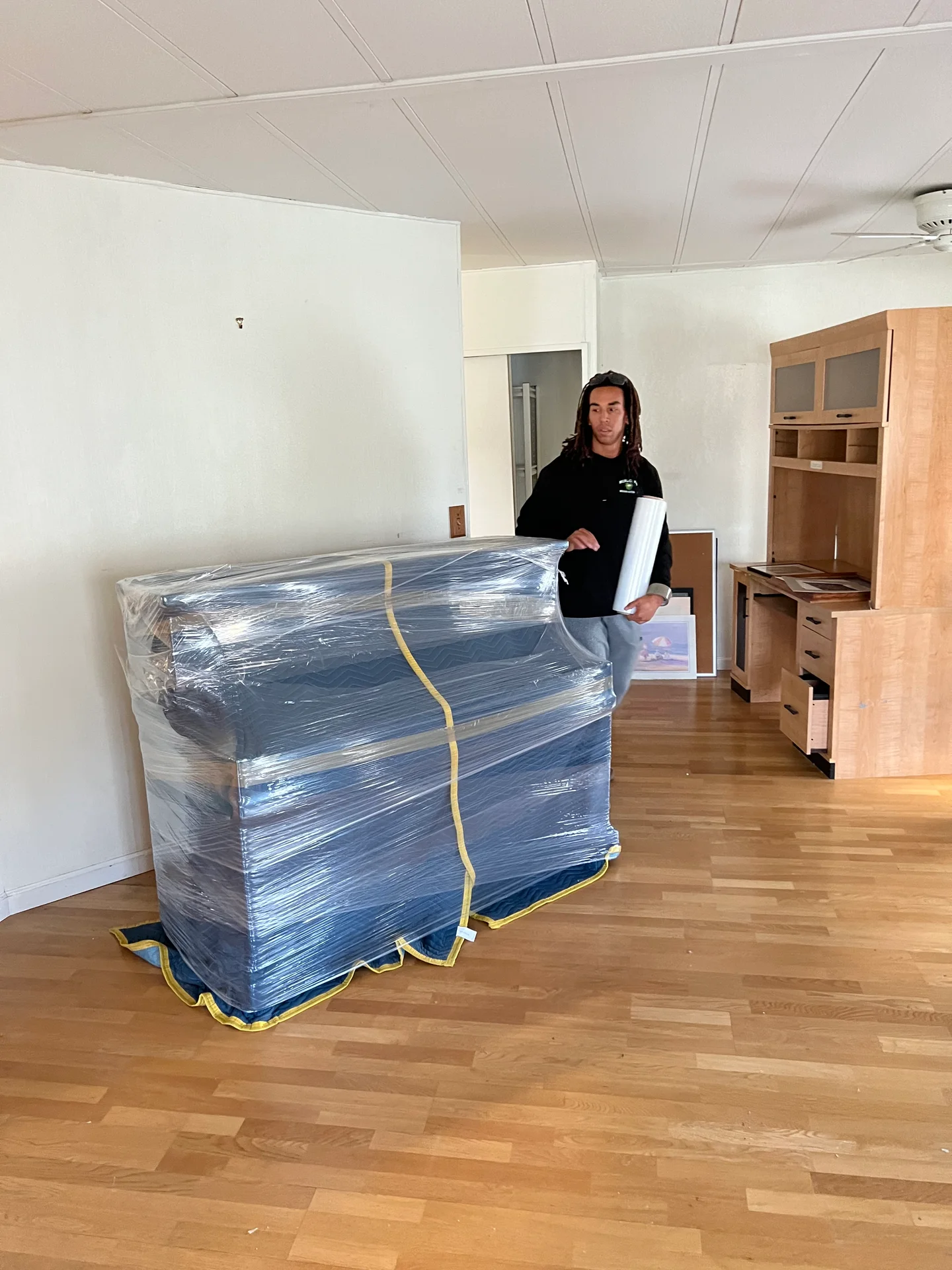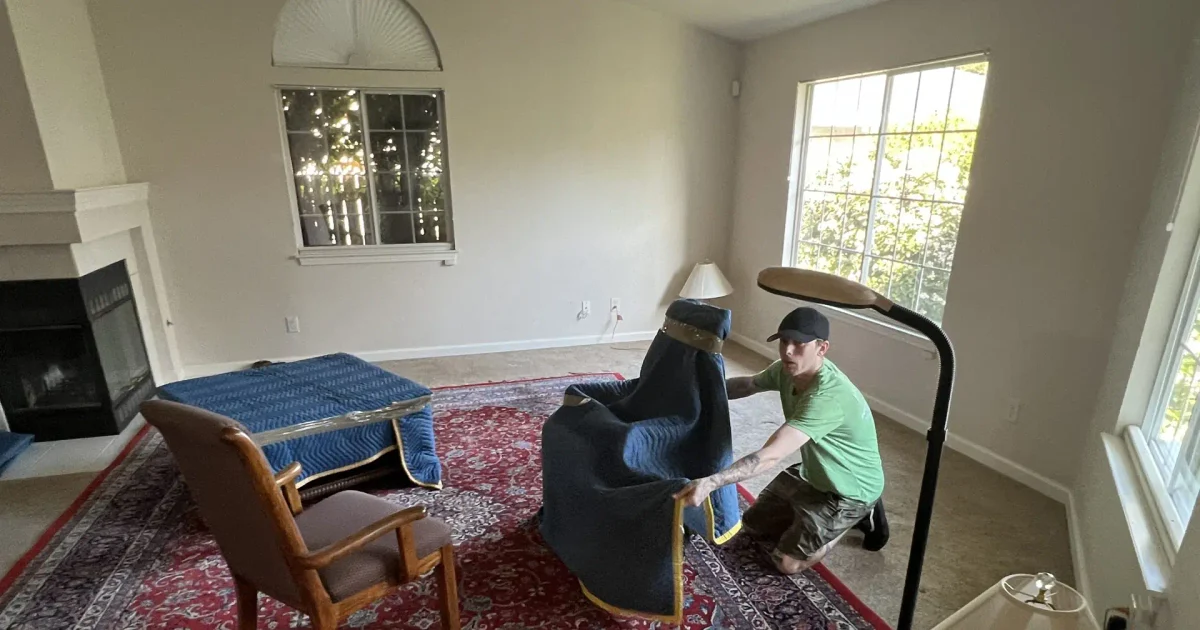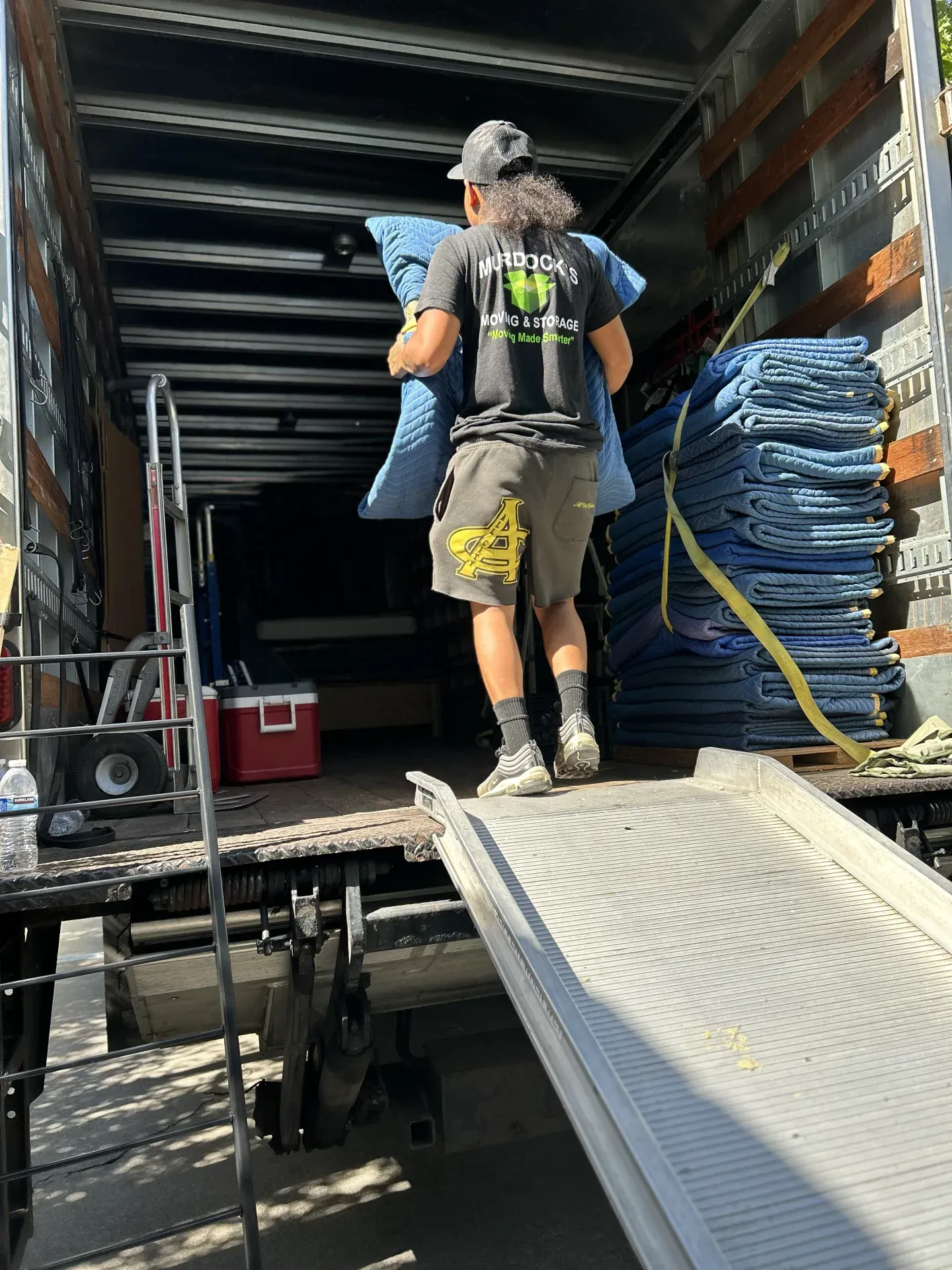
Getting a moving estimate that’s actually accurate helps you budget properly and avoid unpleasant surprises later. At Murdock’s Moving & Storage, we want you to have clarity up front, before your move date arrives, so here’s what goes into a solid estimate and how to prepare for one.
What Movers Need to Know
Providing detailed, honest information is the single biggest factor in getting an estimate that holds up. Be ready to share:
- The number of rooms or general size of your home
- The approximate volume of your belongings
- Whether you need full or partial packing services
- Any specialty or fragile items — pianos, antiques, large appliances, gun safes
- Access details: stairs, elevators, narrow hallways, or long carries from the truck to your door
- Your move date and how much flexibility you have around it
- Your origin and destination addresses
The more complete this picture is, the fewer surprises show up on move day itself.
Types of Estimates
Understanding the kind of estimate you’re getting helps you avoid confusion later. The moving industry generally uses a few different structures:
- Non-binding estimates. The final cost can change based on actual weight or time used. These give a realistic ballpark but leave room for adjustment if the move turns out to be bigger or more complex than initially described.
- Binding estimates. The quoted price is fixed, provided you don’t add items or services after the quote is given. This structure works well if you want budget certainty.
- Binding-not-to-exceed estimates. You won’t pay more than the quoted amount, even if minor changes come up — and if you end up moving fewer items than expected, the final cost may come in lower.
Asking which type of estimate you’re being given, and what would cause it to change, is one of the most useful questions you can ask any mover.
Common Hidden Costs to Watch For
Even a thorough estimate can miss costs that aren’t explicitly discussed up front. Common ones include parking permits or fees required for oversized moving trucks in certain neighborhoods, stairs, elevators, or long carry distances between the truck and your door, special packing materials or crating needed for fragile or high-value items, fuel surcharges or toll costs on longer routes, and temporary storage fees if your new place isn’t ready on your original move date.
Asking directly about each of these during your estimate conversation is the best way to make sure your final invoice doesn’t include anything you weren’t expecting.
How to Prepare for the Estimate Visit or Virtual Walk-Through
A few simple steps on your end make it much easier for a mover to give you an accurate number:
- Declutter ahead of time so you’re not paying to estimate (or move) items you’re planning to get rid of anyway
- Take photos or short videos of every room, including storage spaces like the attic, garage, or basement that are easy to forget
- List out bulky, fragile, or specialty items separately
- Note any access issues — a narrow driveway, limited street parking, or multiple flights of stairs
- Be clear about your move date and how much flexibility you actually have
Why Written, Itemized Estimates Matter
Ask for your estimate in writing, itemized by category — labor, materials, packing, fuel — rather than a single lump-sum number. An itemized estimate makes it much easier to see exactly what you’re paying for, compare it against a different provider’s quote if you’re shopping around, and catch anything that looks off before move day rather than after.
Final Thoughts
Getting an accurate estimate comes down to good information and clear communication on both sides. With the right details up front, you’ll know what to expect, avoid hidden fees, and plan your move date and budget with real confidence. Murdock’s Moving & Storage is committed to walking you through every line of your estimate so you understand exactly what you’re paying for. If you’re planning a move in Chico, Roseville, Lincoln, or North Sacramento, reach out for a free, personalized moving estimate.
RESEARCH CHECK
Sources & Helpful References.
These official resources support the time-sensitive or regulated details discussed in this guide. Information checked August 2026.
- FMCSA SAFER Company SnapshotOfficial federal carrier and safety-record lookup.
- California Bureau of Household Goods and ServicesCalifornia consumer information for household-goods movers.
- California household-mover permit searchSearch current California household-mover permit records.