Not every move lines up cleanly. Your old house sells faster than your new one closes. Your Yuba City apartment lease ends three weeks before your new place is ready. You’re downsizing a parent’s Chico home and need somewhere to stage furniture while the family sorts through what stays, what goes to a smaller place, and what gets sold. These aren’t edge cases — they’re some of the most common reasons Sacramento Valley households end up needing a bridge between two dates that a straight A-to-B move can’t solve.
That’s the specific problem portable storage — often called a MODS container, short for mobile on-demand storage — is built to solve. It’s not just “storage.” It’s storage that comes to you, sits where you need it, and moves again when you’re ready, without a separate truck rental or a facility drive every time you need to grab a box.
What a MODS Container Actually Is
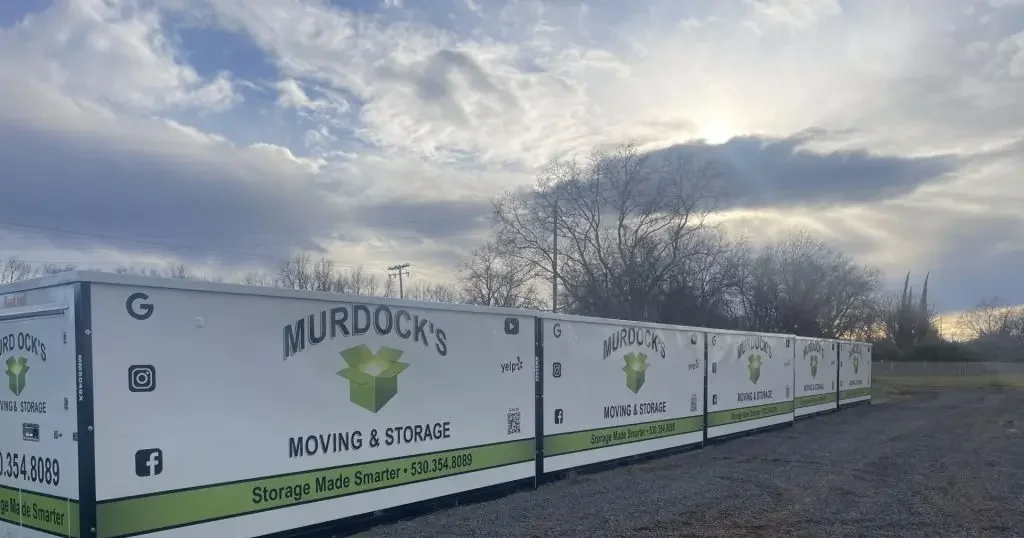
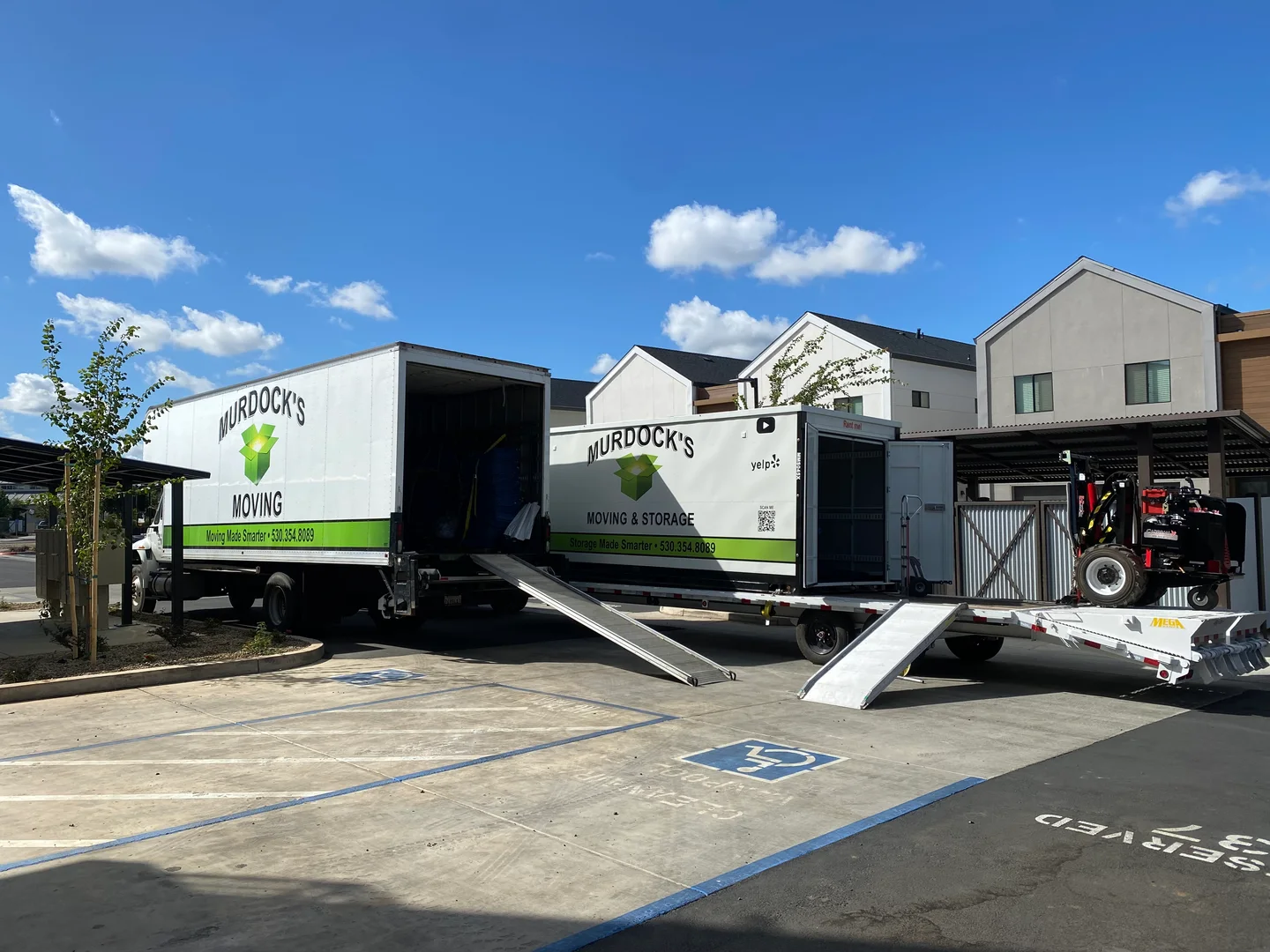
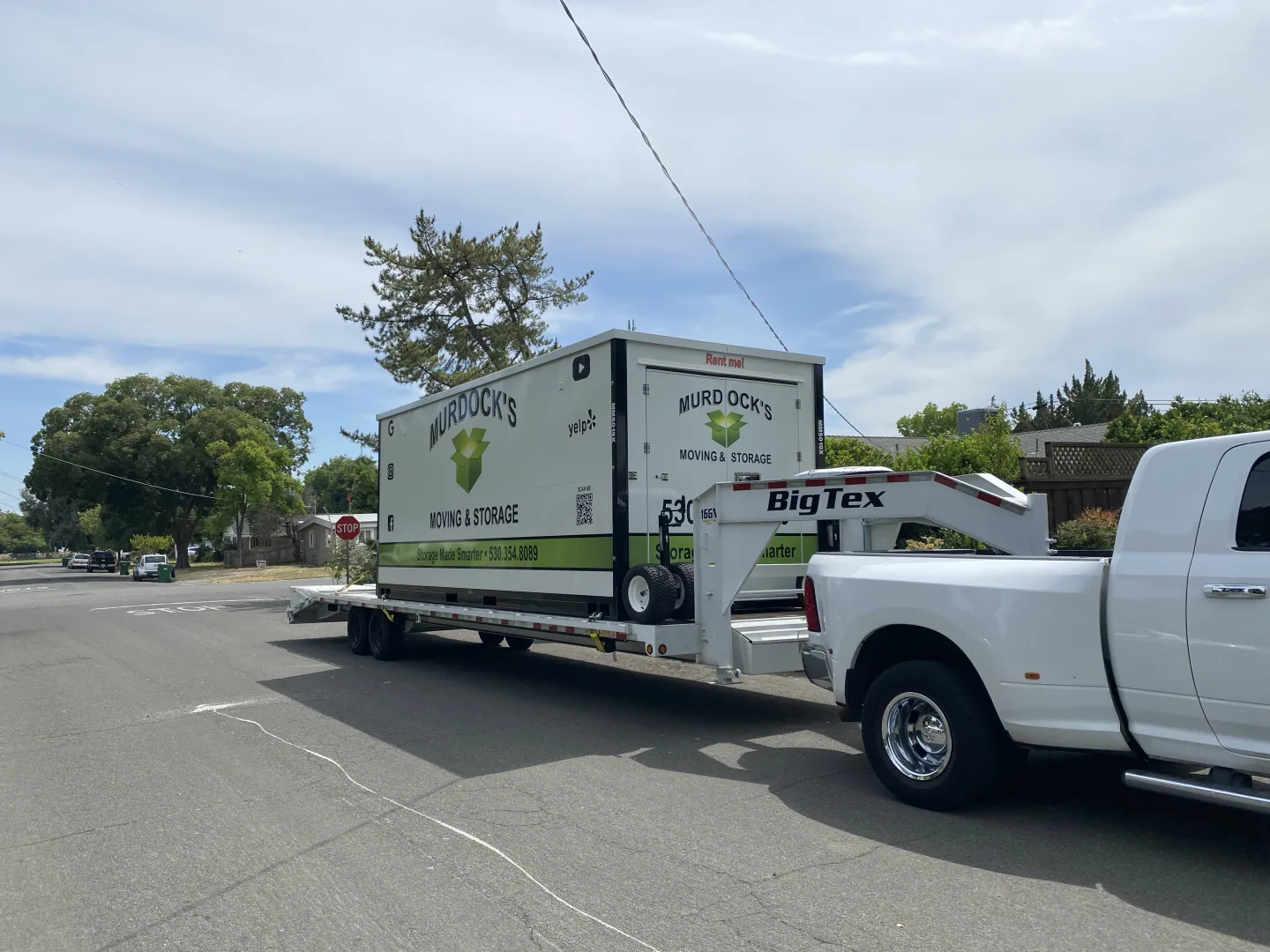
A portable storage container is a weatherproof steel or composite unit, typically somewhere between 8 and 20 feet long depending on how much you need to store, that gets delivered directly to your driveway, curb, or worksite. You load it at your own pace — over an afternoon, a weekend, or a couple of weeks — instead of racing a moving truck’s rental clock. Once it’s loaded, it either stays parked at your property for as long as you need, or it gets picked up and taken to a secured storage yard, or driven straight to your new address.
The core advantage over a traditional self-storage unit is simple: you’re not the one doing the hauling twice. With a standard storage unit, you load your own vehicle, drive to a facility, unload into the unit, and repeat that whole process again whenever you need something back out. With a MODS container, the container comes to your stuff instead of your stuff going to a facility.
The Timeline Gaps That Actually Come Up in Chico, Yuba City & Sacramento
A few scenarios show up again and again for Valley households and are worth naming specifically, because “storage” as a generic concept undersells how targeted the fix usually is:
The closing-date gap. You’ve sold your Chico home and the buyers want possession in two weeks, but your new build in Yuba City or a new purchase in the Sacramento suburbs isn’t ready for another five or six weeks. A portable container gets loaded at your old address, sits secured until your new place is ready, and then gets delivered and unloaded there — no second move, no juggling a rental truck reservation around a moving date that keeps shifting.
The renovation stage. Flooring, kitchen remodels, or foundation work on a Chico or Oroville home often means furniture has to come out of rooms for weeks at a time. Rather than shuffling everything into a garage that the contractors also need access to, a container parked in the driveway keeps belongings out of the way and protected from dust and debris until the work is done.
The staged-sale gap. If you’re preparing a Roseville or North Sacramento home for sale, a stager will often ask you to clear out excess furniture to make rooms feel larger. A portable container gives you a place to put that furniture without hauling it across town to a facility, and it stays right there until the home sells.
The downsizing sort. This is one of the most common reasons we bring a container to a Sacramento Valley property: an adult child managing a parent’s move into a smaller home or assisted living needs a place to stage furniture and belongings while the family decides, piece by piece, what moves forward and what gets sold, donated, or passed to relatives. That process rarely fits inside a single weekend, and a container that sits on-site for two or three weeks takes the time pressure off a genuinely emotional task. If that’s the situation you’re navigating, our senior moving team has handled this exact scenario across Chico and Yuba City and can walk through how a container fits into the larger plan.
The apartment-to-house gap. Lease end dates and home-purchase closing dates rarely land on the same day. A container bridges a two- or three-week gap without forcing you to book a second short-notice move.
Portable Storage and Valley Summer Heat
Because this article is running in the middle of a Sacramento Valley July, it’s worth addressing directly: is it safe to leave a loaded container sitting outside during peak heat season? Generally, yes — a properly sealed container protects belongings from rain, dust, and pests, and the interior doesn’t reach the extremes that a closed, sun-baked truck trailer does over a short haul, because it isn’t moving and radiating engine heat.
That said, a few categories of items deserve extra thought before they go into a container that’s going to sit through a Chico or Yuba City summer: wine and anything else genuinely temperature-sensitive, candles, vinyl records, and electronics with lithium batteries. For most household goods — furniture, boxed items, clothing, kitchenware — a well-sealed container handles Valley summer heat without issue. If you’re unsure whether a specific item should go in a container versus travel separately, that’s a conversation worth having with your moving crew before loading day, not after.
Placement, Permits, and Practical Logistics
Most Sacramento Valley households place a container in their own driveway, which typically doesn’t trigger a permit requirement. Where it gets more complicated is street placement — if there’s no driveway space and the container needs to sit on a public street or right-of-way, Chico, Yuba City, and Sacramento all have their own rules about temporary street obstructions, and some require a short-term permit. It’s worth a quick call to your local public works or planning department before delivery day if street placement is even a possibility, so there’s no surprise tag on the container when the crew arrives to pick it up.
Beyond permits, the practical questions worth settling up front are: how long do you realistically need the container on-site, does your HOA (if you’re in a planned Roseville or Lincoln-area community) have any restrictions on temporary containers, and do you want the container to sit at your property the whole time or get picked up and held at a secured yard while you finish the other end of your move.
Portable Storage vs. Warehouse Storage vs. Storage-in-Transit
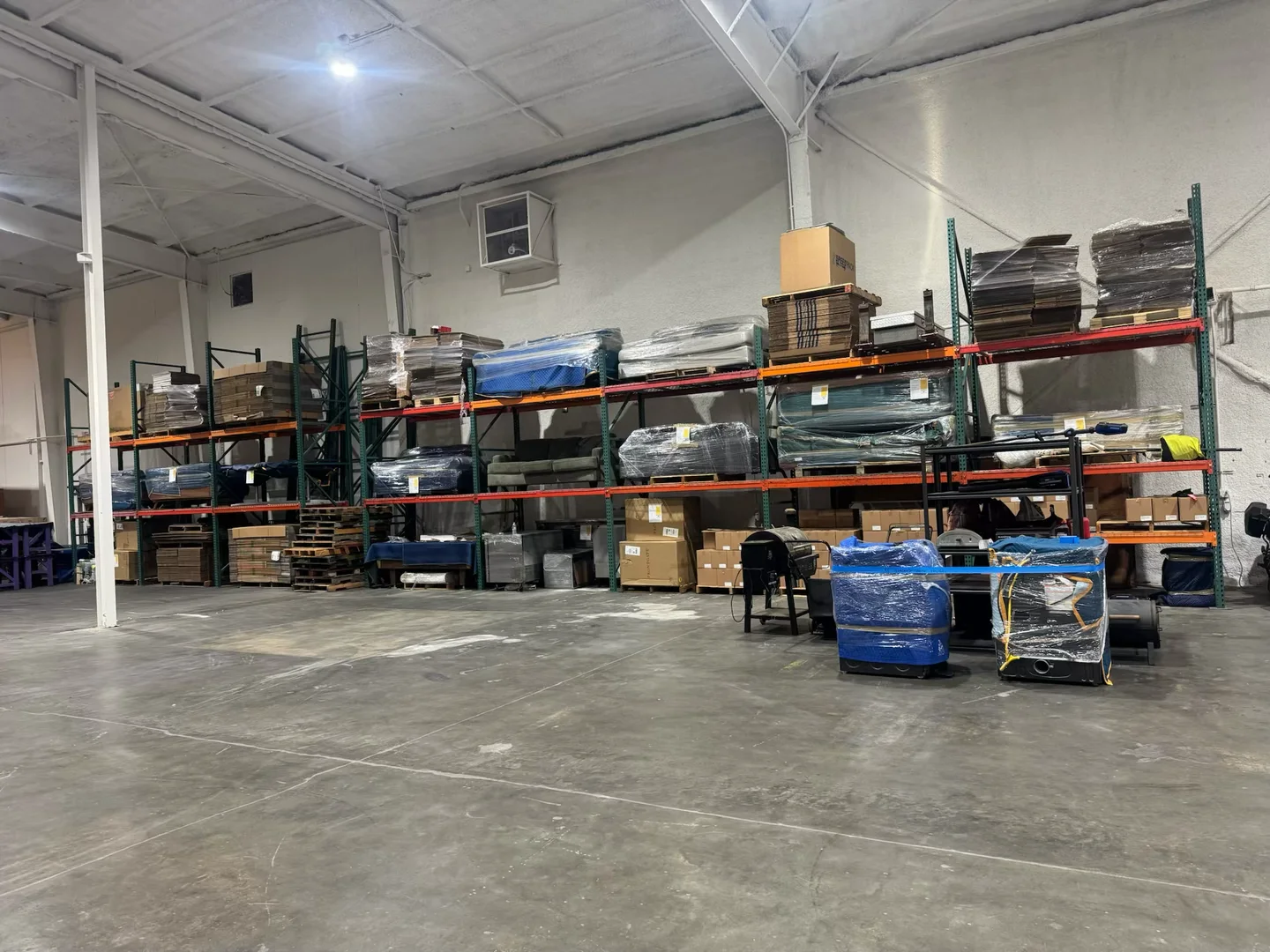
It’s worth knowing that portable storage isn’t the only bridge option — it’s one of a few, and the right one depends on your timeline and how much access you need in the meantime. If you need long-term, climate-controlled storage for months rather than weeks, a warehouse storage arrangement may fit better than a container sitting in a driveway. If your goods are already loaded on a truck and you just need a few days of buffer before delivery, storage-in-transit solves a narrower, shorter-term version of the same problem. A portable container earns its place specifically when you want to load at your own pace, keep the option to access items during the gap, and avoid transporting your own boxes to and from an off-site facility.
Getting a Container to Your Property
We deliver and place portable storage containers for households and small businesses across Chico, Yuba City, and the broader Sacramento region, coordinating drop-off and pickup around the specific gap in your timeline rather than a one-size-fits-all rental period. Because our crews already run local routes for residential and commercial moves, we can often schedule a container delivery or pickup alongside a move day rather than as a separate logistics problem.
If you’re not sure whether portable storage, a short self-storage stint, or storage-in-transit fits your specific gap best, our free moving estimate is a useful starting point for comparing options before you commit to one.
A timeline gap between two dates doesn’t have to mean a second move, a rented truck sitting half-loaded in your driveway, or a mad scramble to find a facility with same-week availability. Call Murdock’s Moving & Storage at (530) 354-8089 and we’ll figure out the right storage bridge for your specific gap.
RESEARCH CHECK
Sources & Helpful References.
These official resources support the time-sensitive or regulated details discussed in this guide. Information checked August 2026.
- FMCSA SAFER Company SnapshotOfficial federal carrier and safety-record lookup.
- California Bureau of Household Goods and ServicesCalifornia consumer information for household-goods movers.
- California household-mover permit searchSearch current California household-mover permit records.
- National Weather Service heat safetyHeat-risk and heat-illness prevention guidance.