If you’ve lived in Chico, Yuba City, or anywhere else in the Sacramento Valley through a July, you already know the rhythm of the day: cool-ish mornings, a fast climb through the 80s by 10 a.m., and a wall of heat by early afternoon that can push past 100°F and hold there until well after sunset. That heat pattern isn’t just uncomfortable — it’s a scheduling problem for anyone trying to move a household this month, and it deserves more planning than “we’ll start whenever everyone’s ready.”
Most generic moving advice treats summer as one long hot season and tells you to “stay hydrated.” That’s true but incomplete. The Valley’s heat curve is specific and predictable enough that you can build a moving day schedule around it — and that schedule matters more here than it does in, say, coastal California, where afternoon sea breeze keeps things manageable. Chico and Yuba City don’t get that breeze. The Sacramento Valley sits in a bowl between the Coast Range and the Sierra foothills, and that geography is exactly why local July afternoons run hotter and drier than most people expect from Northern California.
Why Valley Summer Heat Changes How a Move Should Run
A moving day isn’t one activity — it’s several hours of repeated trips in and out of a house, a garage, or an apartment stairwell, carrying boxes and furniture through open doors and across a driveway or parking lot with zero shade. Add a loaded truck sitting in direct sun for hours, and you’ve created conditions that are genuinely different from a spring or fall move.
Three things happen once temperatures climb past 95°F in Chico or Yuba City:
- Crew stamina drops. Heavy lifting in full sun for six-plus hours in 100°F heat is a different physical task than the same job at 75°F, and pace naturally slows to protect against heat exhaustion.
- Truck interiors heat up far faster than outside air temperature. A closed cargo box or trailer sitting in direct July sun can climb past 130°F inside within an hour, even when it’s “only” 95°F outside.
- Asphalt and concrete radiate stored heat well into the evening, which means a 6 p.m. unload in a Chico apartment parking lot can feel hotter underfoot than the 4 p.m. peak air temperature.
None of this means you shouldn’t move in July. It means the schedule should work with the heat curve instead of against it.
The Real Temperature Math Inside a Moving Truck
This is the part that surprises most people planning their own move: it’s not really about how hot the air is outside. It’s about how long your belongings sit inside a closed, sun-exposed trailer.
A truck loaded at 7 a.m. and driven within an hour or two never gets dangerously hot inside. A truck loaded at 7 a.m., then left closed and parked in direct sun in a Chico or Yuba City parking lot until a 2 p.m. departure, is a very different story. That gap — the idle time between “fully loaded” and “actually moving” — is where damage happens, not the loading itself.
That’s why an early start does double duty: it gets the physical labor of loading done before the worst heat, and it minimizes the amount of time a fully loaded truck sits parked and cooking in the sun before it’s on the road, whether that road is a short hop across Chico or the start of a longer haul down Highway 99 toward Sacramento.
The Late-July Chico State Lease Turnover Squeeze
There’s a Chico-specific wrinkle to summer scheduling that doesn’t show up in generic “how to move in summer” articles: the Chico State off-campus housing turnover. Most off-campus leases near campus — the Chapman-Mulberry area, downtown Chico, and the corridors along Nord Avenue and The Esplanade — run on a roughly August 1st changeover, which means the back half of July is when thousands of students and their families are simultaneously trying to book trucks, trailers, and moving help.
That demand spike doesn’t stay contained to student apartments. It pulls on the same regional pool of trucks, moving crews, and rental equipment that Valley homeowners and Bay Area transplants are drawing from for their own July and August moves. If you’re planning a residential move in Chico for the last two weeks of July, you’re effectively competing for the same resources as the entire Chico State turnover — which is exactly why booking three to four weeks ahead matters more in late July than it does in, say, October.
If your own move date has any flexibility, shifting even a week earlier in July — before the turnover crunch hits full force — can mean an easier booking process and more say over your preferred start time.
Building an Early-Start Moving Day Schedule
Here’s what an actual heat-smart schedule looks like for a typical Chico or Yuba City household move in July:
- 5:30–6:00 a.m. — Crew arrival and truck staging. Temperatures are typically still in the mid-60s to low 70s at this hour in both Chico and Yuba City.
- 6:00–9:30 a.m. — Primary loading window. This covers the bulk of the physical carrying, while temperatures are climbing but still well under 90°F.
- 9:30–10:30 a.m. — Final walkthrough, loose-end items, truck sealing. Temperatures are usually crossing into the low 90s by this point.
- 10:30 a.m.–departure — Transit. The goal is to have the truck moving, not parked and idle, before the 11 a.m.–2 p.m. peak heat window.
- Unload — Ideally scheduled for the same morning if it’s a local move, or planned so the truck isn’t sitting closed and loaded through a full Valley afternoon.
This schedule isn’t arbitrary — it’s built around the fact that Chico and Yuba City afternoon highs in July regularly land between 98°F and 105°F, with the hottest stretch typically falling between 1 and 5 p.m. An early start doesn’t eliminate the heat; it just makes sure the hardest, longest part of moving day happens before the Valley hits its worst hours.
What to Pack Last (and Never Leave in a Hot Truck)
Certain items genuinely don’t handle a hot truck well, and knowing which ones matters more in July than any other month:
- Electronics and lithium-ion batteries — laptops, TVs, power tools, and e-bike or scooter batteries can be damaged by sustained heat above 110°F, and batteries are also a fire-risk item that shouldn’t sit in a closed hot space for hours.
- Vinyl records and anything wax-based (candles) — these can warp or melt at temperatures a closed truck can easily reach in July.
- Wood furniture with glued joints — extreme heat can soften old glue, especially on antiques or older furniture pieces.
- Wine, medications, and anything temperature-sensitive — these should travel in an air-conditioned vehicle, not the moving truck, regardless of season, but it matters most in summer.
- Musical instruments — guitars, pianos, and anything with a wood body or tuning components are sensitive to both heat and rapid temperature swings.
A good rule of thumb: if it would be damaged sitting in a closed car in a parking lot on a 100°F day, it needs a different transport plan than the moving truck, or it needs to be one of the first things loaded and the truck needs to move quickly.
Protecting Your Crew and Your Belongings
A heat-smart move day isn’t just about scheduling — it’s about how the crew works through it. Frequent water breaks, shaded staging areas for boxes waiting to be loaded, and pacing that accounts for heat rather than pushing through it all matter. A crew that’s rushed and overheated is more likely to make the kind of mistake that damages furniture or a doorway than a crew working a sensible early-morning schedule.
This is also where hiring an experienced local crew pays off over a rented truck and volunteer labor. Crews that move households across Chico, Yuba City, and the broader Sacramento area every week during peak season have already built the muscle memory for pacing a hot-weather move — which boxes get loaded first, how to stage a driveway to minimize trips through direct sun, and when to call a water break instead of pushing through one more load.
How Murdock’s Moving & Storage Schedules Around the Heat
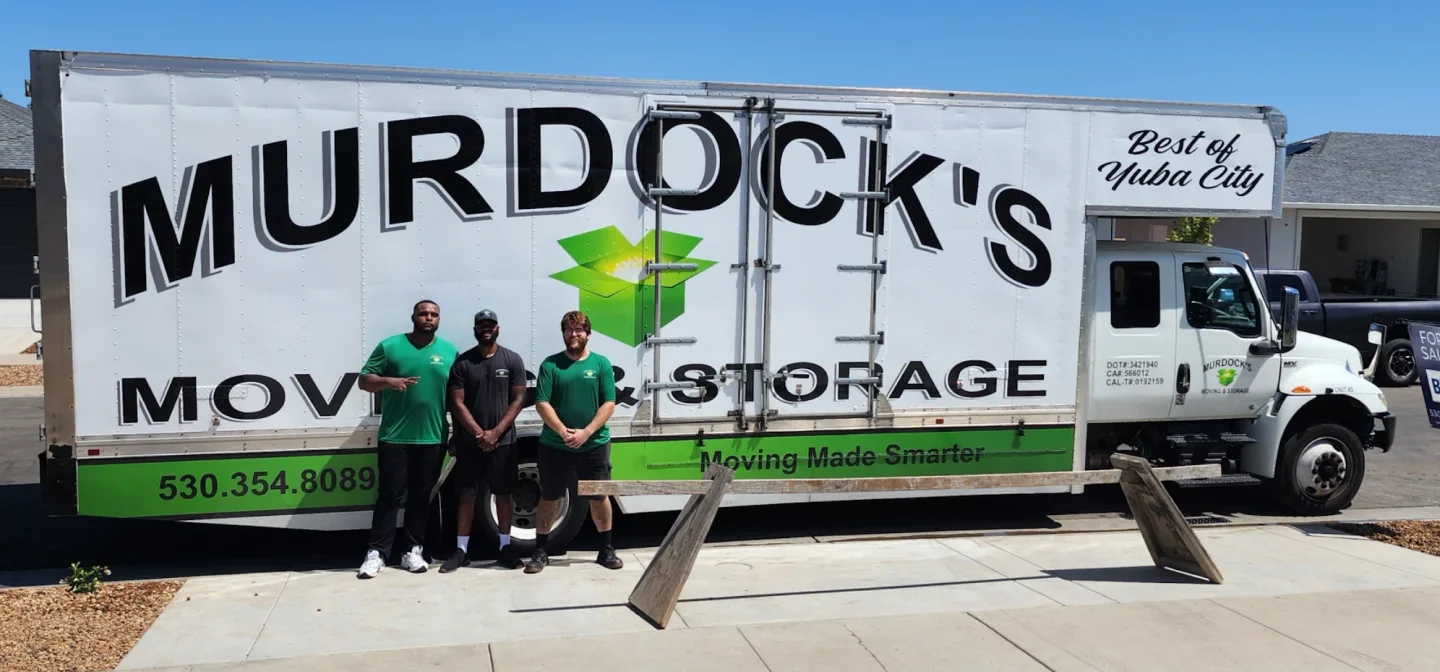
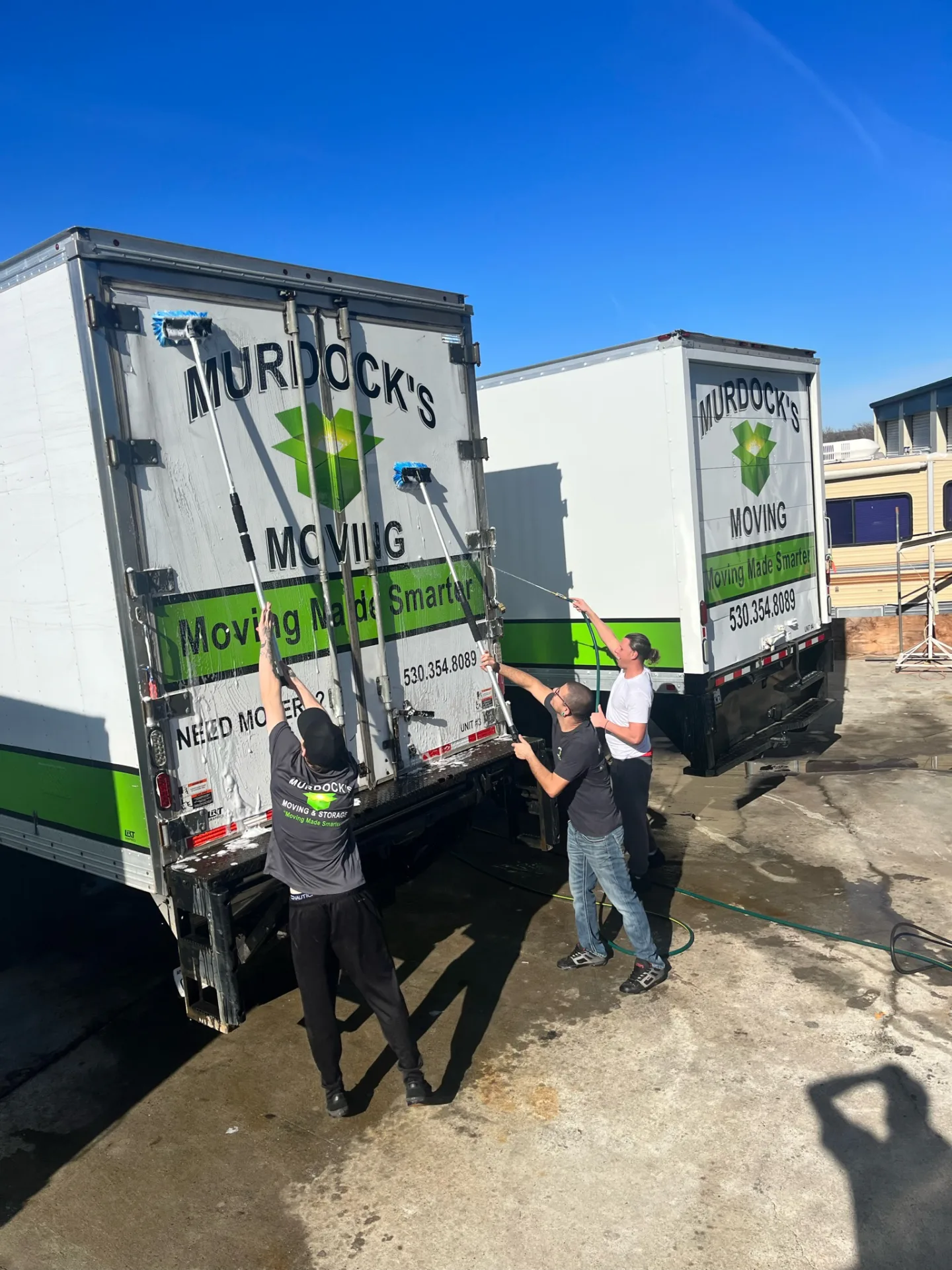
Our crews dispatch out of our own yards in Chico and Yuba City, which means we control our own scheduling rather than routing your job through a national call center that doesn’t know what a Valley afternoon in July actually feels like. During peak summer months we default to early-morning loading blocks specifically to keep both crews and belongings out of the worst of the heat, and we plan around known local pressure points like the Chico State turnover window when we’re booking late-July dates.
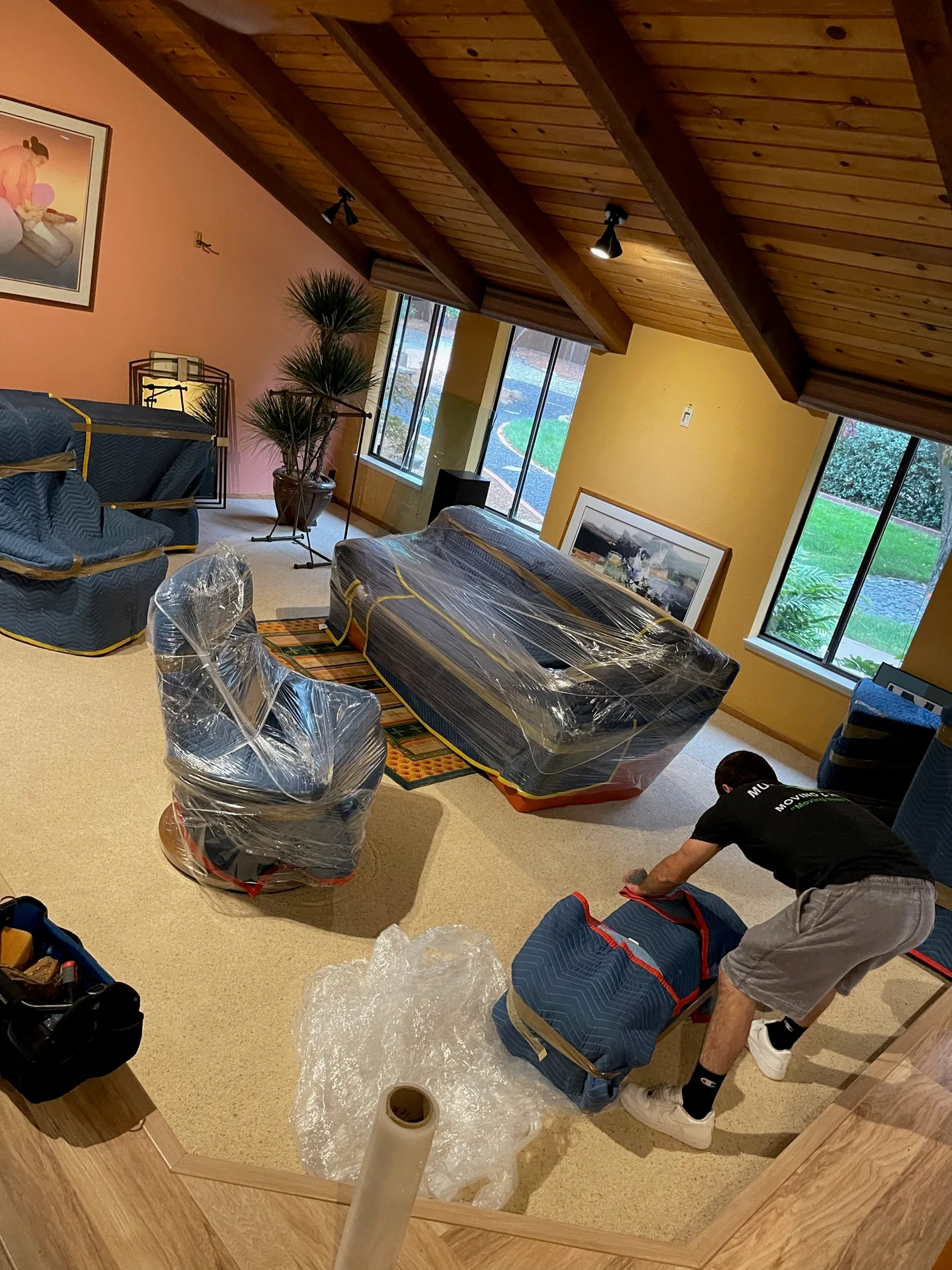
We also pack materials specifically suited to summer conditions — if your move includes electronics, records, or an instrument collection, our packing services team knows how to stage and protect those items so they’re not sitting exposed in a hot truck longer than necessary.
If you’re not sure what a summer move in Chico, Yuba City, or the surrounding Valley is likely to cost, our free moving estimate gives you a starting estimate before you ever have to sit through a sales pitch.
July in the Sacramento Valley isn’t a reason to delay your move — it’s a reason to plan the schedule with intention. An early start, smart packing choices for heat-sensitive items, and booking ahead of the Chico State turnover crunch will do more for your moving day than almost anything else you could plan for.
Ready to lock in an early-morning move date before the late-July rush fills the calendar? Call Murdock’s Moving & Storage at (530) 354-8089 and we’ll build a heat-smart schedule around your move.
RESEARCH CHECK
Sources & Helpful References.
These official resources support the time-sensitive or regulated details discussed in this guide. Information checked August 2026.
- FMCSA SAFER Company SnapshotOfficial federal carrier and safety-record lookup.
- California Bureau of Household Goods and ServicesCalifornia consumer information for household-goods movers.
- California household-mover permit searchSearch current California household-mover permit records.
- National Weather Service heat safetyHeat-risk and heat-illness prevention guidance.