Storage rarely gets planned. It shows up as a problem in the middle of an otherwise organized move — a closing date slips, a remodel runs long, the Bay Area house sells faster than the Sacramento one is ready, and suddenly you have a truckload of belongings and nowhere to put them for a few weeks. The good news is that “storage” isn’t one thing. In Northern California you have real, distinct options, and knowing the difference ahead of time turns a stressful gap into a scheduling footnote.
This guide walks through vaulted warehouse storage, storage-in-transit, and how those compare to a portable container dropped in your driveway — plus the security, access, and coverage questions worth asking before anything goes on a shelf.
What Vaulted Warehouse Storage Actually Is
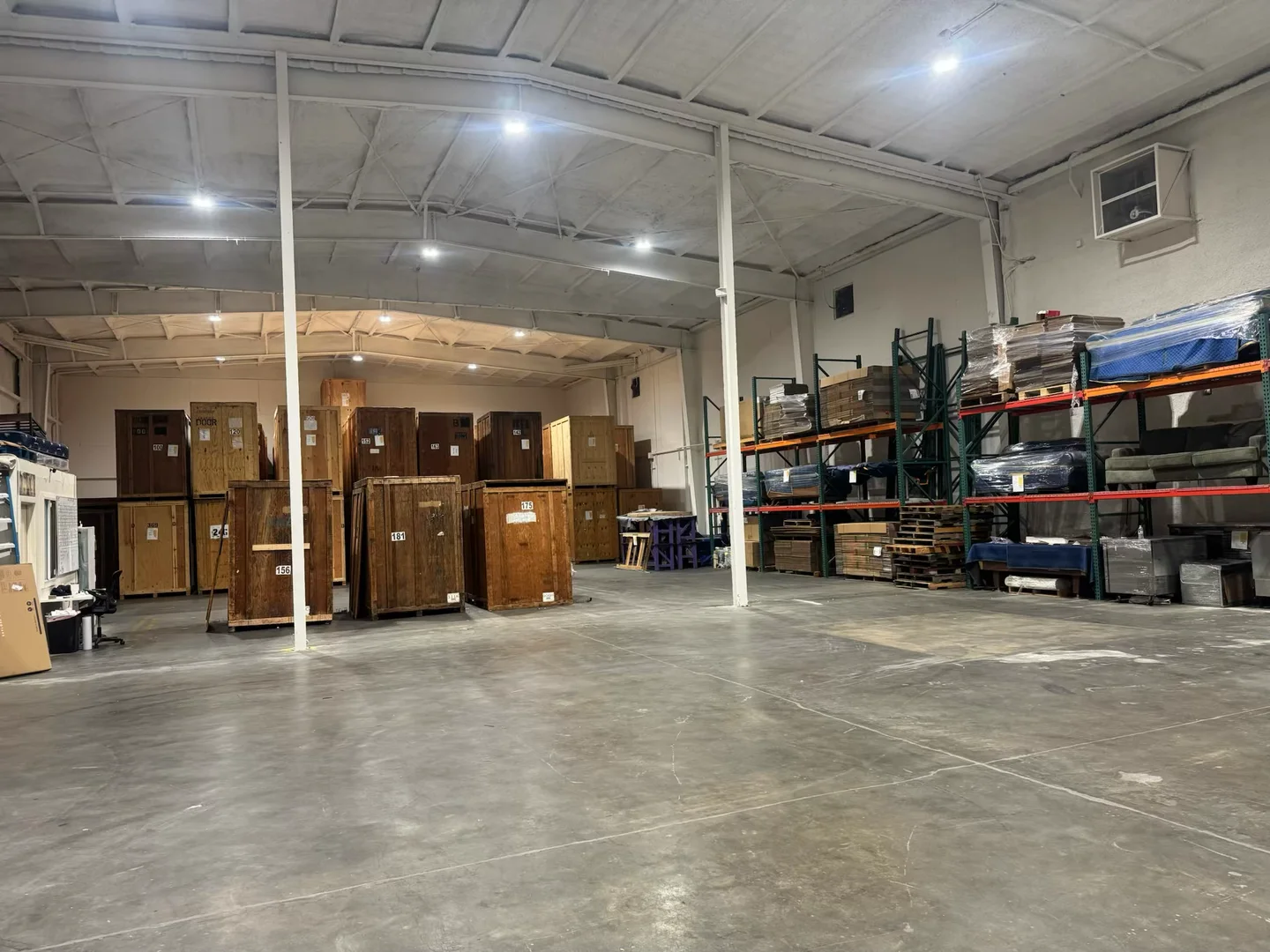
The phrase “warehouse storage” makes people picture a wide-open room where boxes get stacked in a pile. Vaulted storage is the opposite of that. Your belongings are loaded into individual wooden crates — most run roughly five feet wide by seven feet tall — that a crew pads, fills, and seals right at your home. Each vault holds the contents of about a room to a room and a half. Those sealed crates then travel to the warehouse and get stacked in a secured bay, tagged to your name and inventory.
A few things follow from that design. Because your goods never sit loose on a shared floor, they aren’t shuffled every time a neighbor in the next unit loads a couch. Because each vault is sealed at the source, dust, handling, and casual exposure all drop off sharply. And because everything is crated and catalogued, the warehouse team can tell you exactly what came in and pull it back out cleanly when you’re ready. It’s the format professional movers have used for long-term holds for a century, and it still wins on protection.
Why the Vault Format Holds Up in Valley Heat
Anyone who has spent a July in Chico or Marysville knows the afternoon load can climb hard. That heat is exactly why wrapping and airflow matter more here than the marketing word “climate-controlled.” Inside a sealed, padded vault, blanket-wrapped furniture is buffered from the swings that warp veneer and dry out wood joints. Upholstery stays off bare concrete. Pianos, dressers, and dining sets — the pieces most sensitive to a hot, dry warehouse — ride out the season inside their own protected box rather than exposed on an open rack.
Storage-in-Transit: The Move That Pauses
Storage-in-transit, usually shortened to SIT, is warehouse storage of your shipment while the move is still in motion. It’s built for the gap almost every family runs into eventually: you have to be out of the old place before the new one is truly ready. Rather than force a bad closing date or burn money on a short-term rental plus a second move, your crated goods wait at the warehouse — at the origin end, the destination end, or both — and get redelivered once your keys are in hand.
SIT shows up constantly on the moves we run across the Sacramento Valley. Long-distance relocations rarely deliver on the exact day you’d like. Bay Area households heading to Roseville, Rocklin, or Folsom often close on the sale before the purchase. Families rebuilding up in Paradise sometimes need their belongings held while the final work wraps. In every one of those cases, SIT keeps the move on a single set of hands — the same crew that packed and crated your things is the one that brings them back — instead of introducing a third party and a second liability handoff.
The practical advantage is continuity. Your inventory, your padding, your crew, and your paperwork all stay under one roof. When the redelivery date lands, there’s no re-quoting a new mover to finish what was started.
Warehouse Vaults vs. Portable Containers
Both are legitimate, and the right pick comes down to two questions: how often will you need to get in, and how long will you store?
Choose warehouse vaults when you want a hands-off, long-term, professionally managed hold. You’re not planning to rummage through your things every weekend. You’d rather a crew do the loading and the warehouse do the guarding. Long-distance moves, extended holds, and anything you consider genuinely valuable or irreplaceable lean this way. Access is by appointment rather than drive-up, which is the trade you make for tighter security and cleaner handling.
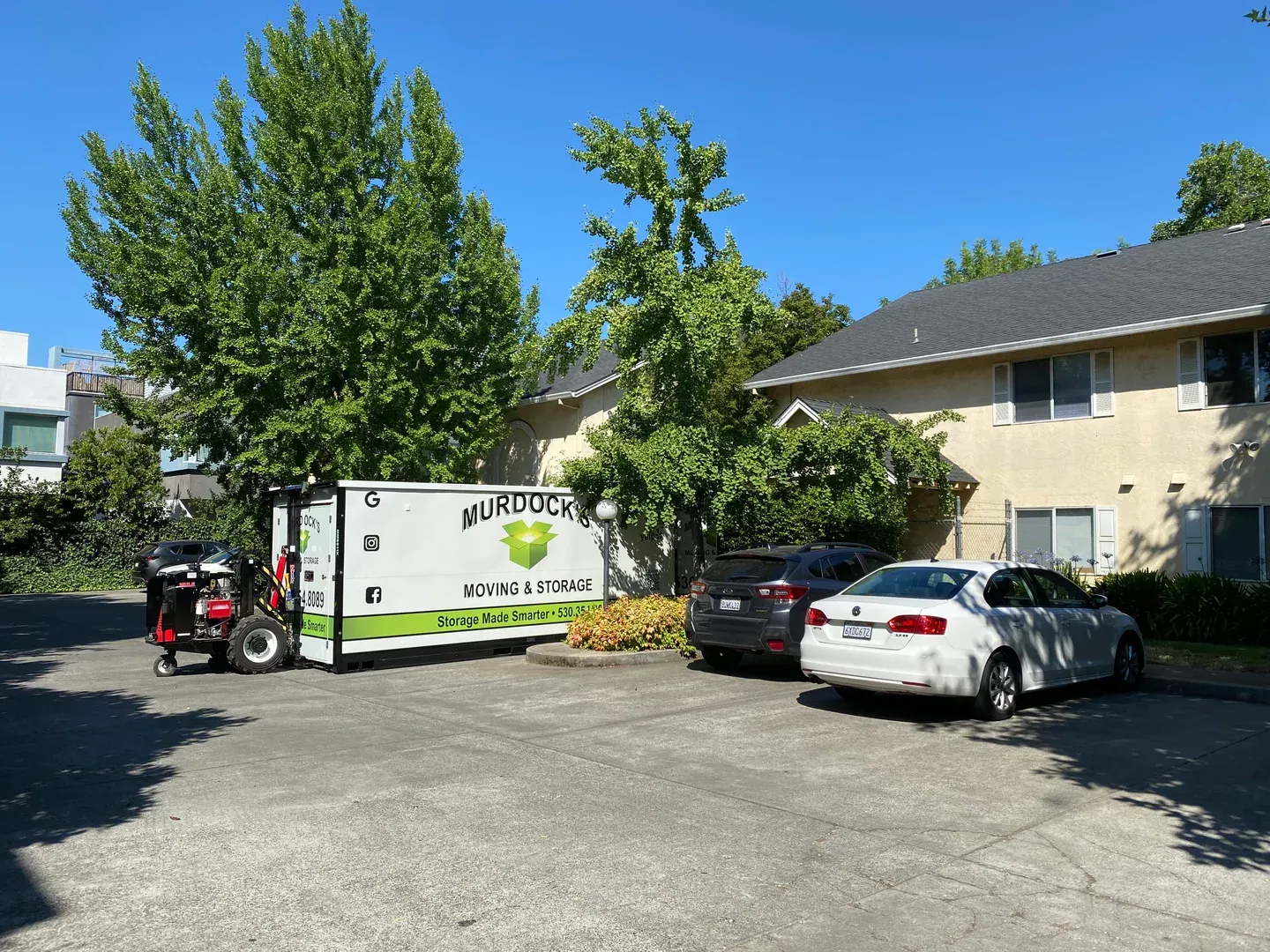
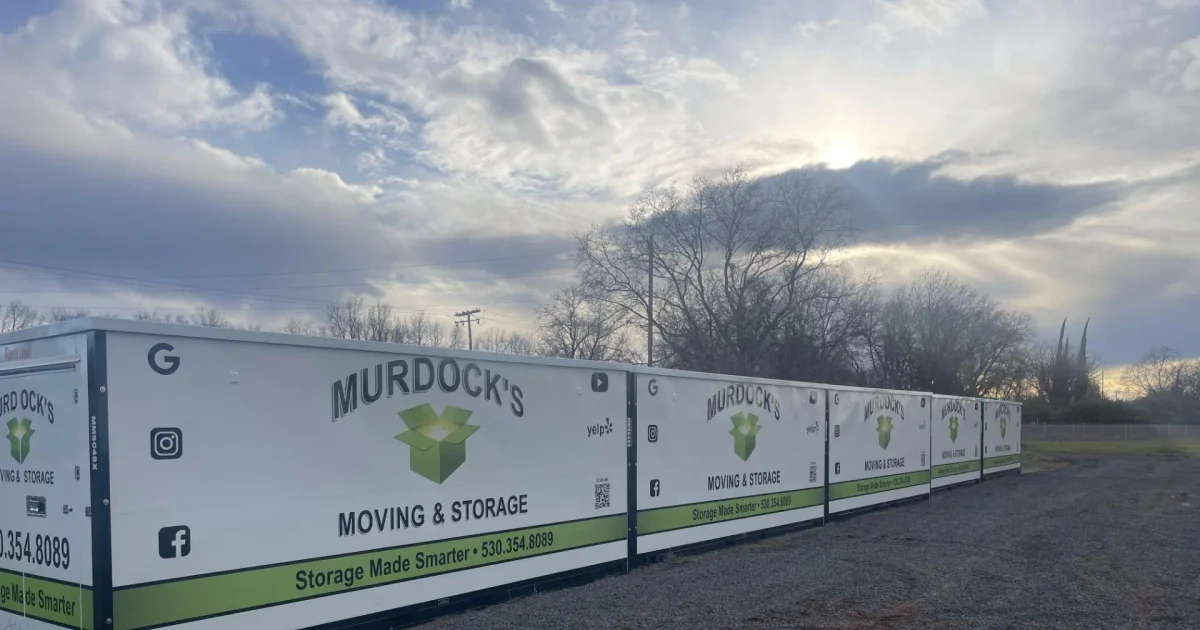
Choose a portable container when flexibility and driveway-level access matter most. With Murdock’s On-Demand Storage (MODS), a container comes to you, sits at your address, and lets you load and unload on your own timeline. That’s the better fit during a kitchen remodel, a staged home sale, or a local move where you’ve already reached the new place and just need overflow space you can dip into whenever. If you’d rather keep the unit on-site and control the pace, portable is the answer.
A quick way to decide: circle the words that describe your situation. Long-term, hands-off, secured, don’t-need-access points straight at warehouse vaults. Short-term, flexible, on-site, load-it-myself points at portable. Most people know which cluster is theirs the moment they read them.
Security, Access, and Coverage — The Questions to Ask
Whatever format you land on, the same handful of questions separate a facility you can trust from one you’re guessing about.
Who Handles Your Things, and How Are They Tracked?
Ask whether the crew loading your vault is the mover’s own trained staff or day labor, and whether every item is inventoried before it’s sealed. A named, tagged inventory is what lets a warehouse confirm what came in and hand back exactly that. As an owner-operated carrier dispatching crews from our own Chico and Yuba City yards — not a broker subcontracting the work out — the same people who pad and crate your belongings are the ones accountable for them in storage.
What Does the Building Itself Offer?
You’re paying for the structure as much as the space. Reasonable questions: Is the facility secured and monitored after hours? Are goods kept off bare floors and protected from the Valley’s summer heat load? Is it a real commercial warehouse or a converted shed? A licensed CPUC (Cal-T 0192159) carrier operating its own staffed yards is a different proposition than an unmarked lot.
How Is Your Property Covered While Stored?
Coverage during storage sometimes works differently than coverage during transit, so ask specifically about the storage window. Understand what liability applies while your goods sit in the warehouse, whether valuation coverage carries through the storage period, and how a claim would work. This is exactly the kind of detail a transparent, no-hidden-fee mover should be able to explain in plain language before you sign — not something you discover after the fact.
Putting It Together for Your Move
Most storage decisions come down to a short conversation. If your new place isn’t ready on move-out day, you likely want storage-in-transit so the whole job stays under one crew. If you’re holding valuable furniture for months, vaulted warehouse storage protects it best. If you want a container in the driveway to fill at your own pace, portable MODS is built for that.
The Murdock’s team has run every one of these across Butte, Sutter, Yuba, Placer, and Sacramento counties, dispatched from our own yards rather than brokered out — so the plan you get accounts for the closing dates, the heat, and the real distances of a Sacramento Valley move. If you’re not sure which format fits, the fastest path is to describe your timeline and your inventory and get a straightforward, written breakdown. Storage should be the easy part of the move, and with the right format chosen up front, it usually is.
RESEARCH CHECK
Sources & Helpful References.
These official resources support the time-sensitive or regulated details discussed in this guide. Information checked August 2026.
- FMCSA SAFER Company SnapshotOfficial federal carrier and safety-record lookup.
- California Bureau of Household Goods and ServicesCalifornia consumer information for household-goods movers.
- California household-mover permit searchSearch current California household-mover permit records.
- National Weather Service heat safetyHeat-risk and heat-illness prevention guidance.