Warehouse, Ag & Light Industrial

Print & Sign Shop Moving in the Sacramento Valley

Move rolls, rigid sheets and finished sign orders by their inventory labels while your equipment technician handles the wide-format machines.

(530) 354-8089
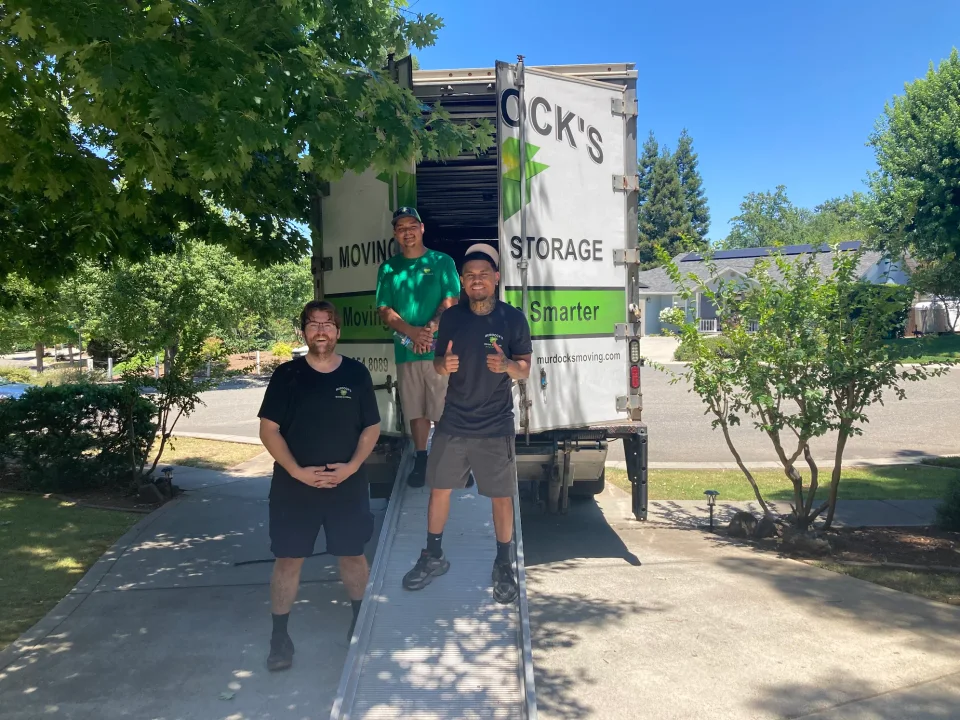
Print & Sign Shop moving in the Sacramento Valley: Murdock's crew at work
  • Licensed & InsuredUSDOT 3421940 · MC 1416634
  • Locally OperatedChico + Yuba City
  • Sacramento ValleyChico · Yuba City · Sacramento

Start your print & sign shop move quote

verifiedFor estimate purposes onlycredit_card_offNo credit card required

Planning a Print & Sign Shop Move

A sign shop moves in three streams that cannot be mixed: machines, media and finished work. The wide-format printers, flatbed, plotter, laminator and router go with the manufacturer's technician or an equipment mover. Rolls and rigid sheets are inventory that warps, dents and scuffs. Finished signs and printed wraps are somebody's order, often due for install the week you move.

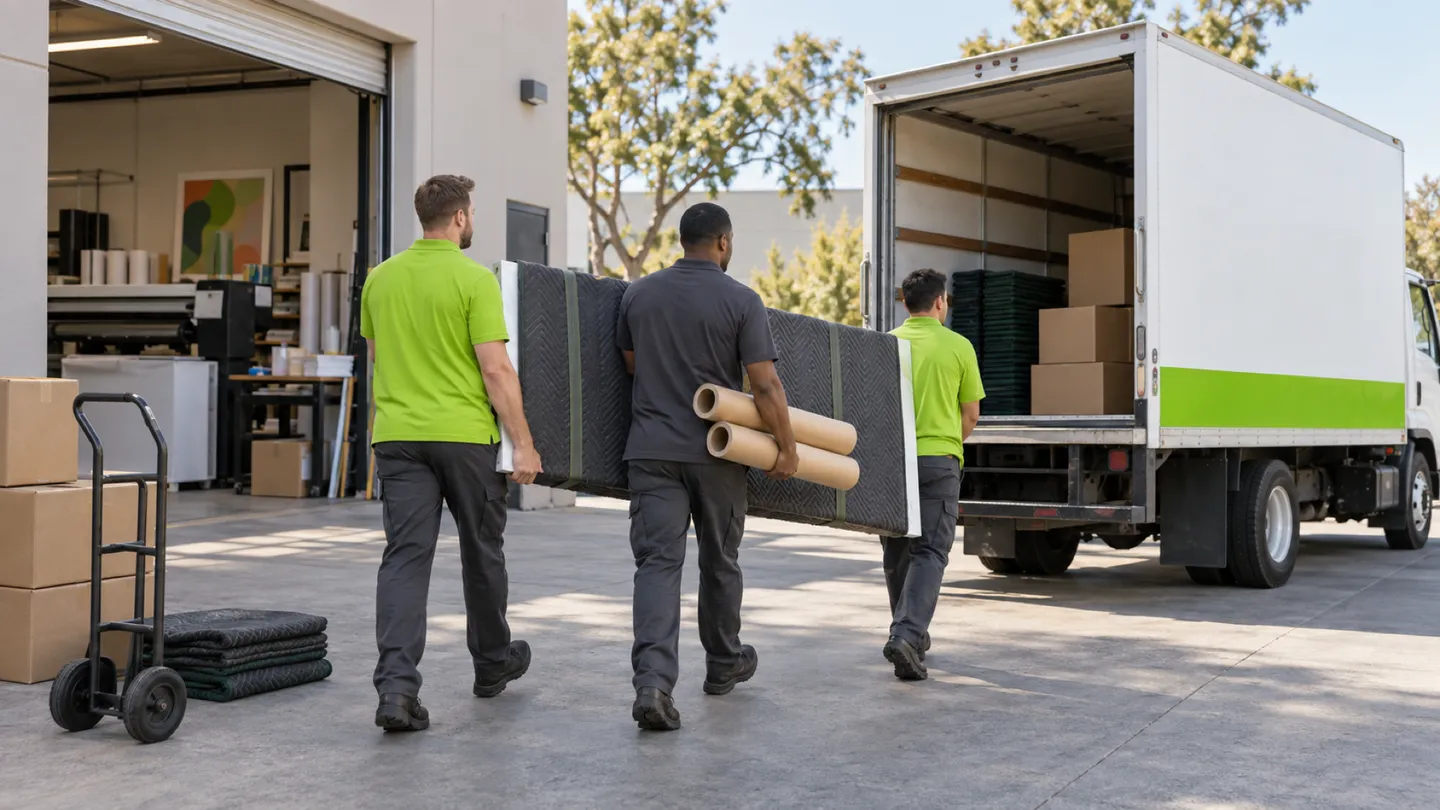
We handle the second and third streams, plus the shop around them. Rolls ride on their cores, not on their faces. Acrylic, aluminum composite, foam board and corrugated plastic travel flat, supported along their length, with the protective film left on. Finished panels are wrapped, stood on edge in order groups and tagged with the job name your production manager gives us, so the install crew can find them the next working day. Finishing tables, flat files, sample books and the front counter follow.

Shops in Sacramento, Roseville, Chico and Yuba City share one planning issue: a Valley summer is hard on vinyl left in a truck, so media never waits in the heat.

Who usually signs off
Shop owner or production manager, with the inventory lead confirming stock and open-order labels
Timing that works
After the last print and laminate run, with the printer technician booked at both ends; many shops choose a Saturday and Sunday move, on request, so the week's installs keep their dates.

What typically moves

  • Roll media: vinyl, banner, laminate and paperCarried by the core and laid in a single layer on pads, never stacked on the printable face.
  • Rigid substrates and sign blanksKept flat on a full-length support with the protective film on, heavy sheets at the bottom and foam board on top.
  • Finished signs and printed wraps awaiting installWrapped by order, stood on edge in padded groups and tagged with the job name your team assigns.
  • Finishing tables and cutting matsLarge tables come apart where the frame allows; self-healing mats roll or travel flat, never folded.
  • Flat files, sample books and swatch cabinetsDrawers taped shut with contents in place; sample books boxed by the category your sales counter uses.
  • Front counter, proof station and design desksDesign computers and monitors are reconnected at the same desk. Color profiles and RIP software stay with your technician.

Access and scheduling

Print shops tend to sit in small industrial units or older commercial buildings with an overhead door at the back and a customer entrance at the front. We measure the roll-up door against the longest sheet goods, check whether a full sheet can turn from the stock area to the door, and pick a truck position that gives finished panels a short, flat path.

The technician's calendar sets the date. Printers are usually prepared before transport and set up and tested at the new shop, so the media and finished-work loads are timed to arrive before the restart visit, not during it. Many shops move over a weekend on request to keep installs on schedule. In a managed park, the owner on the lease can be named on our insurance certificate. In July and August, vinyl and laminate are loaded in the morning and unloaded straight into the new shop.
Protection and handling

Media damage usually comes from heat, pressure or a dent. Rolls are never piled where a core can crush the roll underneath, and roll ends are capped or padded. Rigid sheets are supported flat so they do not bow, and acrylic and aluminum composite keep their film on until your team peels it. Nothing sits in a closed truck longer than the drive.

Finished work is treated as a delivered order. Panels are wrapped face to face with pads between, edges protected, and stood in the truck in the groups your production manager set. Solvent prints still outgassing before lamination are flagged by your team and kept flat and apart. At the new shop, media goes to the storage wall first, finished orders to the staging area your install lead picks, and the front counter last.

Who does what

Some of this job belongs to other trades. The written plan names each one.

Wide-format and flatbed printers, plotters and laminators
The manufacturer's technician or your service dealer prepares them for transport, sets them up and runs test prints. If a machine needs lifting, their riggers do it.
CNC routers and engravers
Your equipment mover or the router's dealer, including leveling and dust-collection hookups at the new shop.
Installed signs and customer displays already in the field
Your install crew. We move loose, finished panels only.

Not part of our work

  • Moving, lifting or leveling printers, routers or laminators; that is the technician's or equipment mover's work.
  • Inks, solvents and cleaning chemicals, which your team transports under its own rules.

Around Chico, Yuba City and Sacramento

Sign and print shops in the Valley work from small industrial units and commercial strips: Sacramento's older industrial pockets and Natomas, the Roseville and Rocklin business parks, and the commercial corridors of Chico and Yuba City. Summer highs are the planning issue; a box truck in July is no place for vinyl or acrylic to wait, so loading is timed to the drive.

The crew that shows up

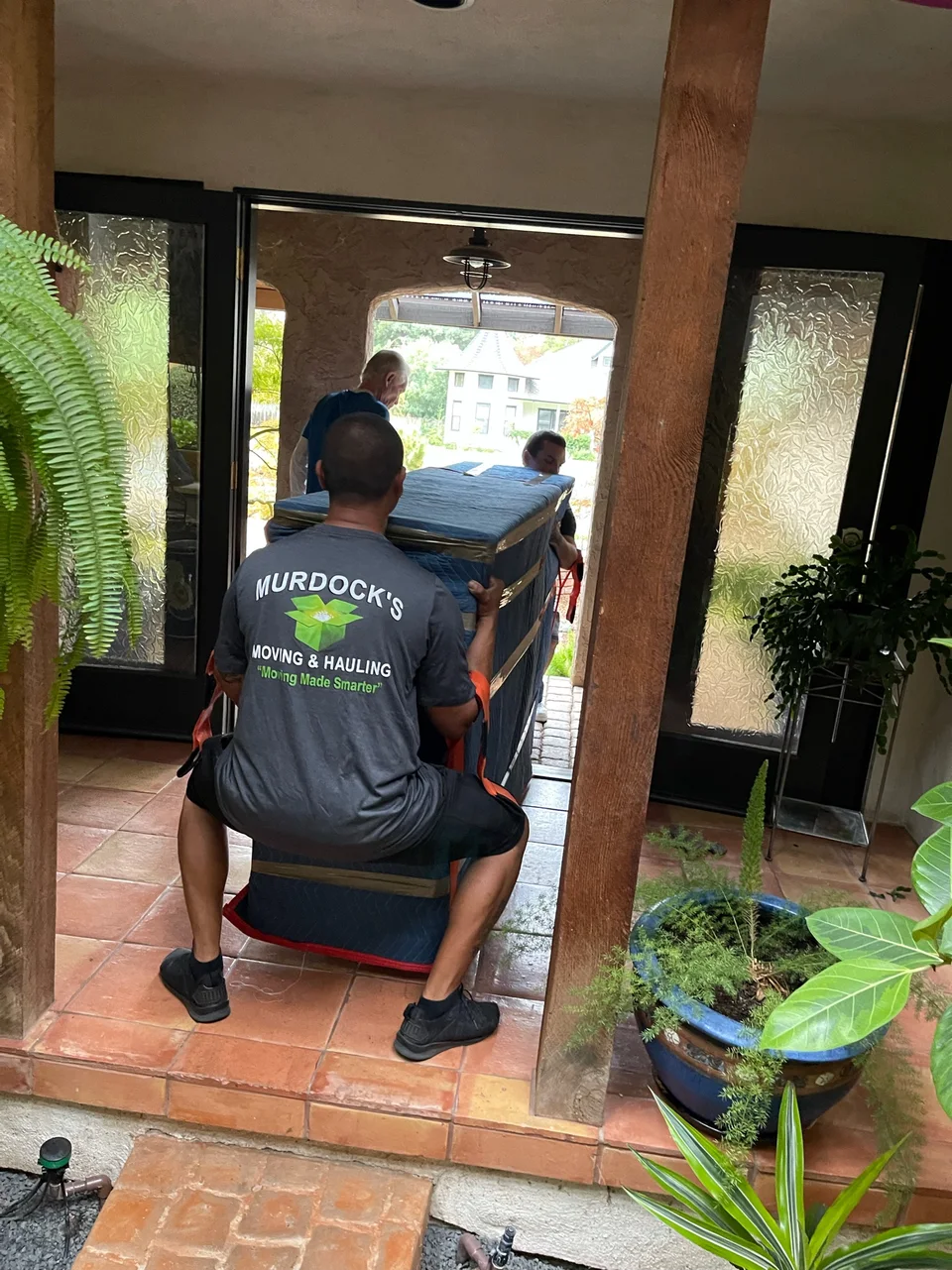
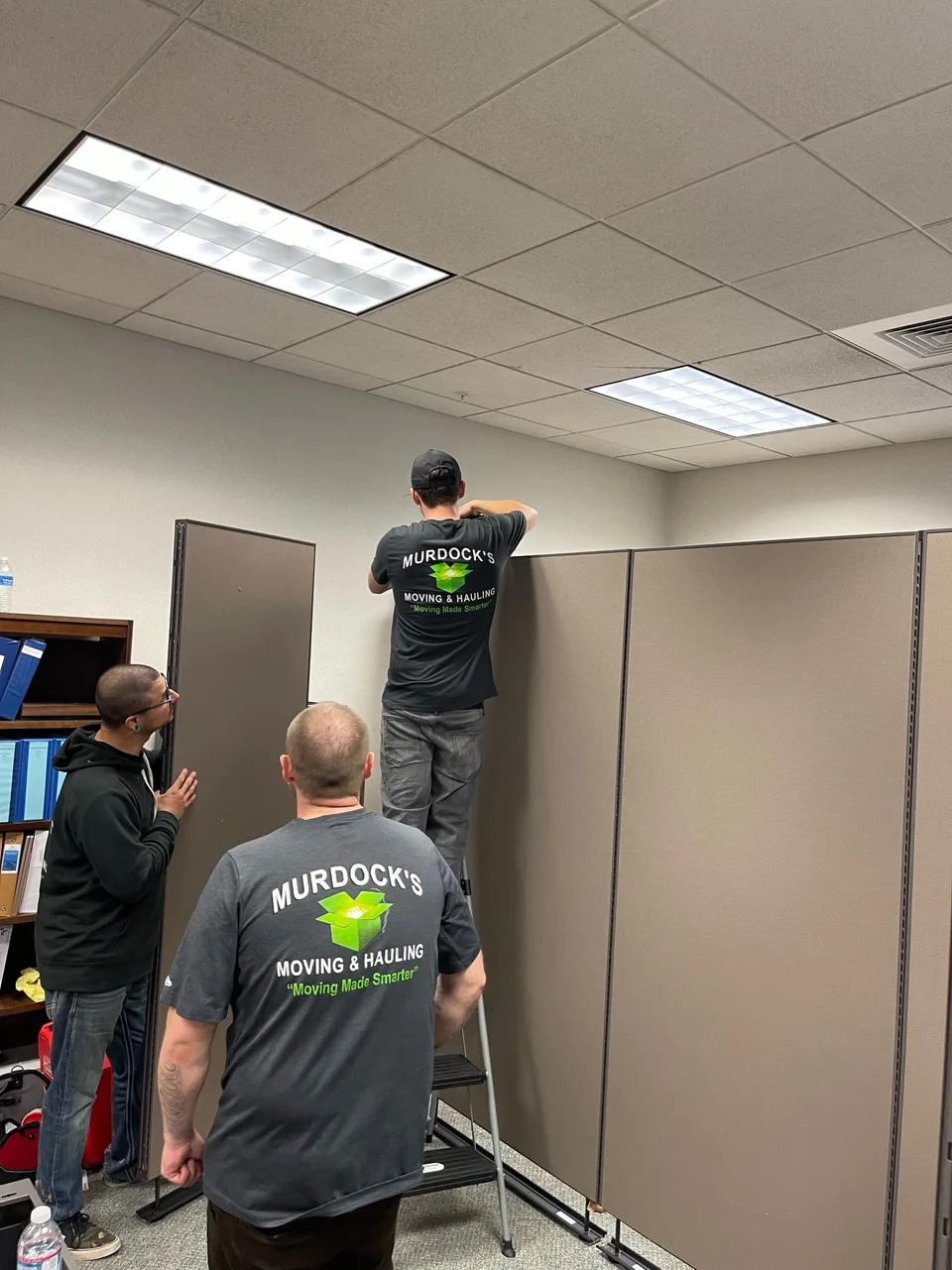
Murdock’s crew carrying a pad-wrapped piece through a tiled entrywayMurdock’s crew rebuilding cubicle panels in an office, one mover on a step ladderMurdock’s movers working the loading ramp of an open box truck

Print & Sign Shop Moving FAQs

Another question? Call (530) 354-8089.

How do you keep roll media from being crushed or flat-spotted?

By never stacking rolls where a core rests on another roll's face. Rolls are carried by the core, laid in a single layer on pads or stood on end if your media supplier allows it, and roll ends are capped. Opened rolls get their loose end taped. Your inventory lead marks width and finish on each roll so it goes back to the right slot.

Our finished signs are due for install next week. How do they move?

As their own load. Your production manager groups each order and gives it a job name; we wrap panels face to face, stand them on edge and tag them. They come off first at the new shop and go to the staging area your install lead picks, so the crew can load their van without searching.

Can the printer technician and your crew be at the new shop the same day?

Yes, if the day is split. Media and finished work go in first, then the technician has the floor for setup and test prints without our crew and carts around the machine. We time our loads to the technician's arrival and keep the path to the printer clear.

Does summer heat affect sign materials on the truck?

It can. Vinyl, laminate and some plastics soften or bow in a hot truck, so we load them in the morning, drive straight to the new shop and unload them first. Acrylic stays flat with its film on. If your team has a heat-sensitive job, flag it and it rides nearest the door.

Plan your business move

Tell us both addresses, the building rules you know about, and the dates you cannot move. We will send back a written plan and estimate.

Call (530) 354-8089

Mon–Sat 8:00 AM–6:00 PM · Sun 10:00 AM–4:00 PM

Call Nowcall530-354-8089