Warehouse, Ag & Light Industrial

Warehouse Moving Along Hwy 99 and I-5

Your count sets the load list; dock access sets the sequence. We move suitable palletized stock and loose work areas while your installer handles fixed storage.

(530) 354-8089
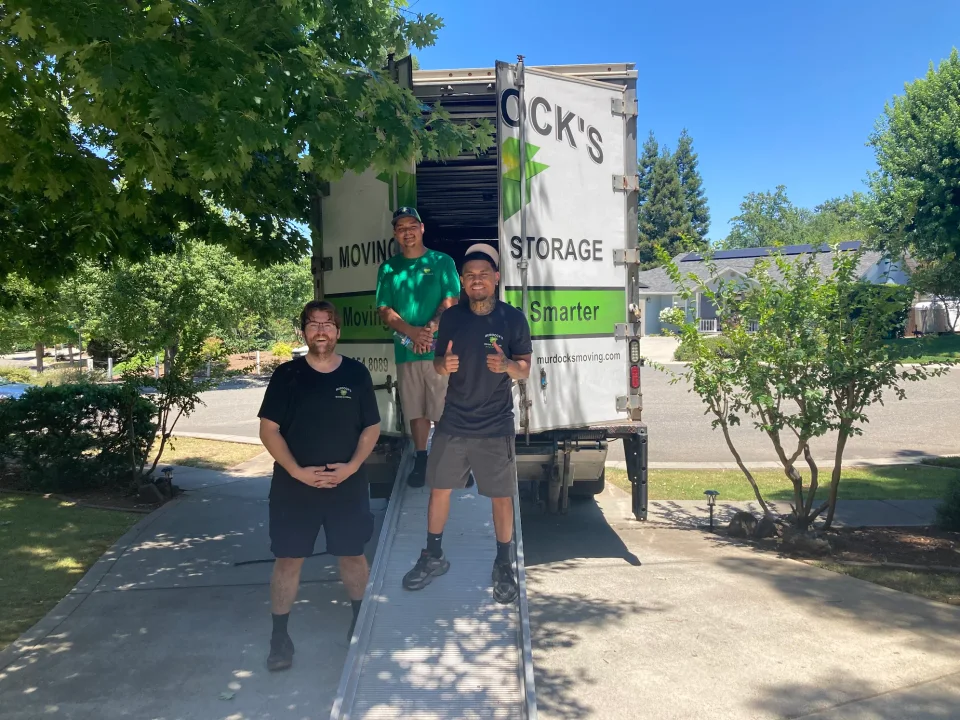
Warehouse moving in the Sacramento Valley: Murdock's crew at work
  • Licensed & InsuredUSDOT 3421940 · MC 1416634
  • Locally OperatedChico + Yuba City
  • Sacramento ValleyChico · Yuba City · Sacramento

Start your warehouse move quote

verifiedFor estimate purposes onlycredit_card_offNo credit card required

Planning a Warehouse Move

A warehouse relocation is really an inventory transfer with trucks in the middle. Whether the building is off Hwy 99 in Chico, along Hwy 20 in Yuba City, or in a Sacramento or West Sacramento park near I-5 and I-80, the move is set by two things: when your team can freeze the count, and when the new building's storage is standing and ready to receive.

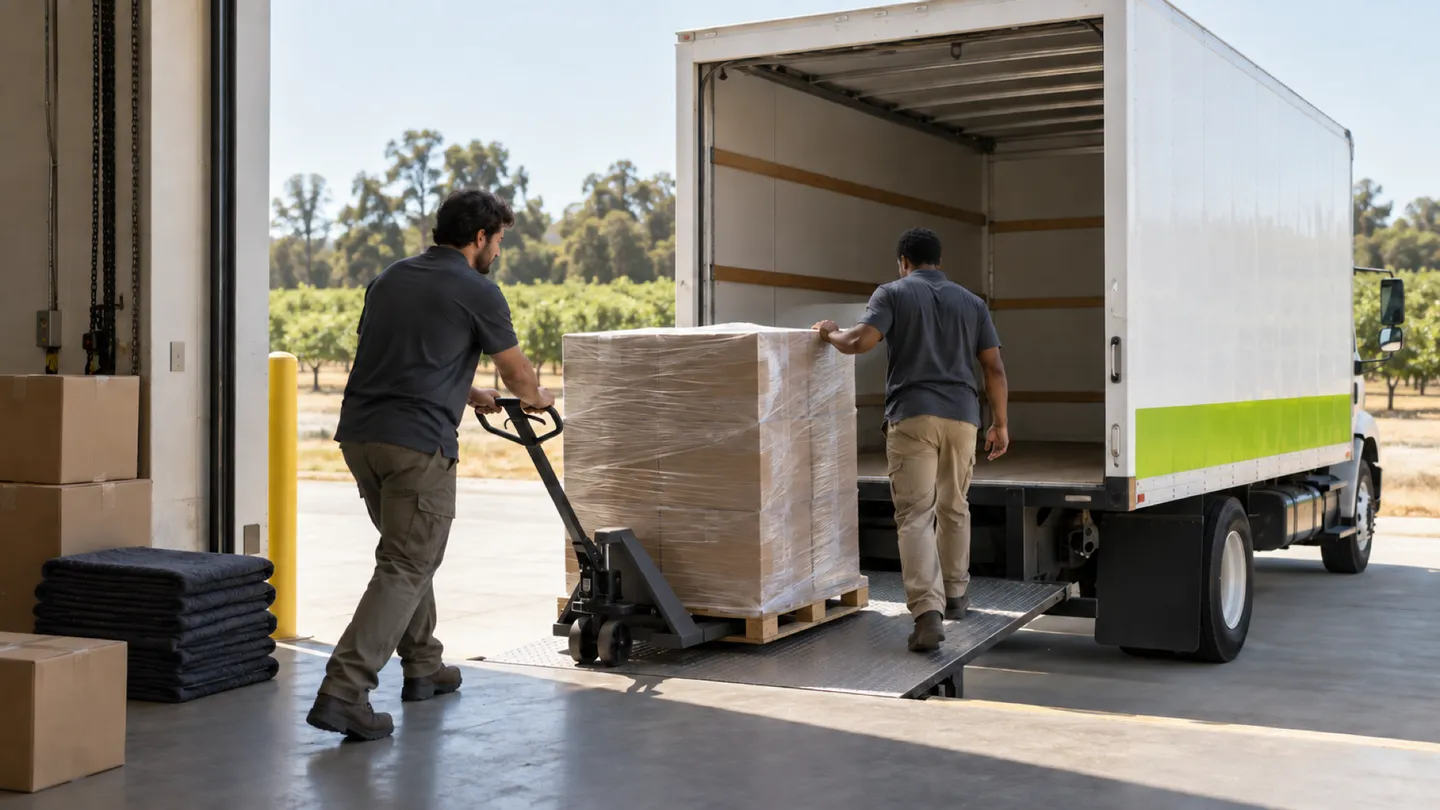
Our part is the loose and palletized goods that a crew and a hand pallet jack can handle, plus the pick bins, packing benches, shipping desks and supplies. Each pallet leaves with a tag showing its destination location, and the truck is loaded in reverse of the put-away order so the receiving side is not digging for a pallet at the back. Fixed storage, high bays and loads too heavy for a jack stay with your equipment operators or installer.

You keep the count and the location records; we move what the count releases.

Who usually signs off
Warehouse manager or operations director, with the inventory lead signing off on stock counts
Timing that works
A count freeze at the end of a receiving cycle, loading over a weekend on request, and the new building's storage inspected and ready before the first pallet arrives.

What typically moves

  • Stretch-wrapped pallets of finished goodsTagged with the destination aisle and location before loading, within the weight a hand pallet jack can safely move on your dock.
  • Pick bins and tote stacks by aisleBins keep their contents and location labels; stacks are strapped so the first aisle to be set up comes off the truck first.
  • Packing benches, carton stands and tape stationsMoved as complete stations with their supply shelves, so packing can restart once stock is put away.
  • Shipping desk, label printers and desktop scalesSet up again at the new shipping desk. The shipping software and carrier accounts stay with your team.
  • Freestanding small-parts shelvingEmptied bays are knocked down where the shelving allows, with shelves and clips bundled by bay number.
  • Empty totes, carton stock and supply palletsSent on a separate trip, so supplies never crowd the receiving dock while stock is still arriving.

Access and scheduling

Two docks decide the schedule. At each building we check the dock height against our truck, whether the dock plate or leveler works, and whether a grade-level door is the better fit for a box truck. We also ask who else uses the truck court. In a multi-tenant building along I-5 or at McClellan Park, a neighbor's outbound trailers may own the court at certain hours, and the property manager may want our insurer's paperwork on file before any truck backs in.

Inbound and outbound freight usually keeps flowing until the last day, so the move itself is often booked for a Saturday, or for the hours after the final dispatch, on request. In July and August, dock work in the Valley starts early: a trailer and an unshaded dock are hot by early afternoon, and we plan the heaviest pallets for the cool hours.
Protection and handling

Pallets are checked before they move. Anything with a broken deck board, a leaning stack or loose wrap is re-wrapped or rebuilt with your team's agreement, because a load that shifts in transit can take a whole row with it. Pallets are strapped in the truck with the heavy side down, and pick bins ride upright with lids on or taped.

Floors and doors take the other hits. Threshold edges are covered, jacks stay on the marked path, and loaded jacks avoid any floor plates or expansion joints your manager flags. At the new building each pallet is set at its tagged location, or in a staging zone your inventory lead names if storage there is not ready. Your team scans or counts it in; we never adjust the count.

Who does what

Some of this job belongs to other trades. The written plan names each one.

Pallet racking and anchored storage structures
A racking installer takes them down, moves them if they are coming along, and anchors and inspects them at the new building. We schedule pallets around that work.
Forklift work and loads beyond a hand pallet jack
Your forklift operators or an equipment rental company handle high bays and heavy loads. We coordinate dock time so the two do not collide.
Counts, location records and the warehouse system
Your inventory lead counts, releases and receives. Location changes go into your system through your own team.

Not part of our work

  • Taking down, moving or installing pallet racking, mezzanines or other anchored structures.
  • Operating forklifts or moving loads too heavy or too high for a hand pallet jack.
  • Hazardous materials, fuel or chemicals that need their own transport paperwork.

Around Chico, Yuba City and Sacramento

Warehouse space in the Valley follows the freeways: Hwy 99 through Chico, Gridley and Yuba City, I-5 through Woodland and Natomas, I-80 into West Sacramento, and the older industrial buildings at McClellan Park. The run between two buildings is usually the easy part. Truck-court rules, dock hours and the heat on a south-facing dock take more planning.

The crew that shows up

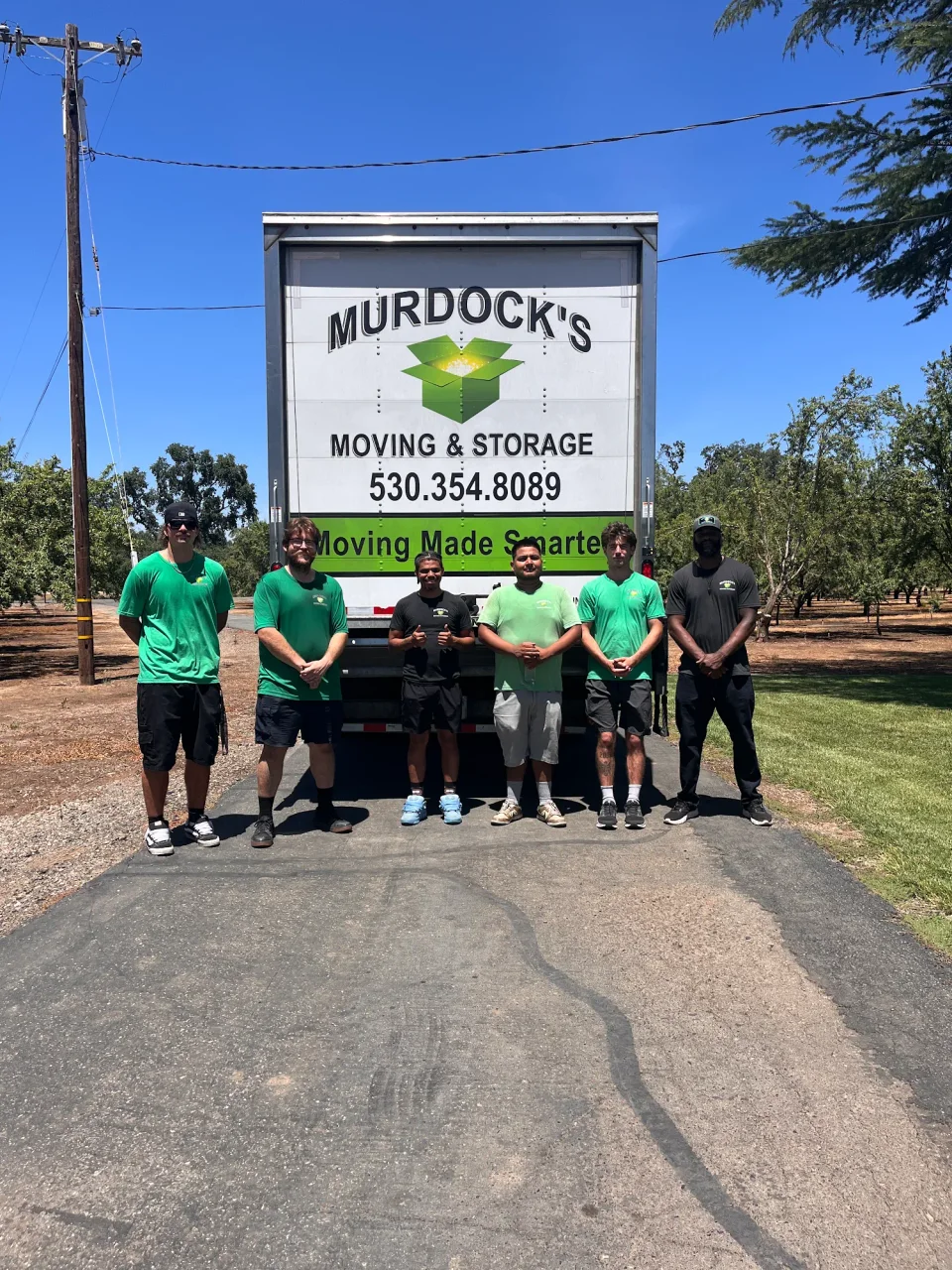
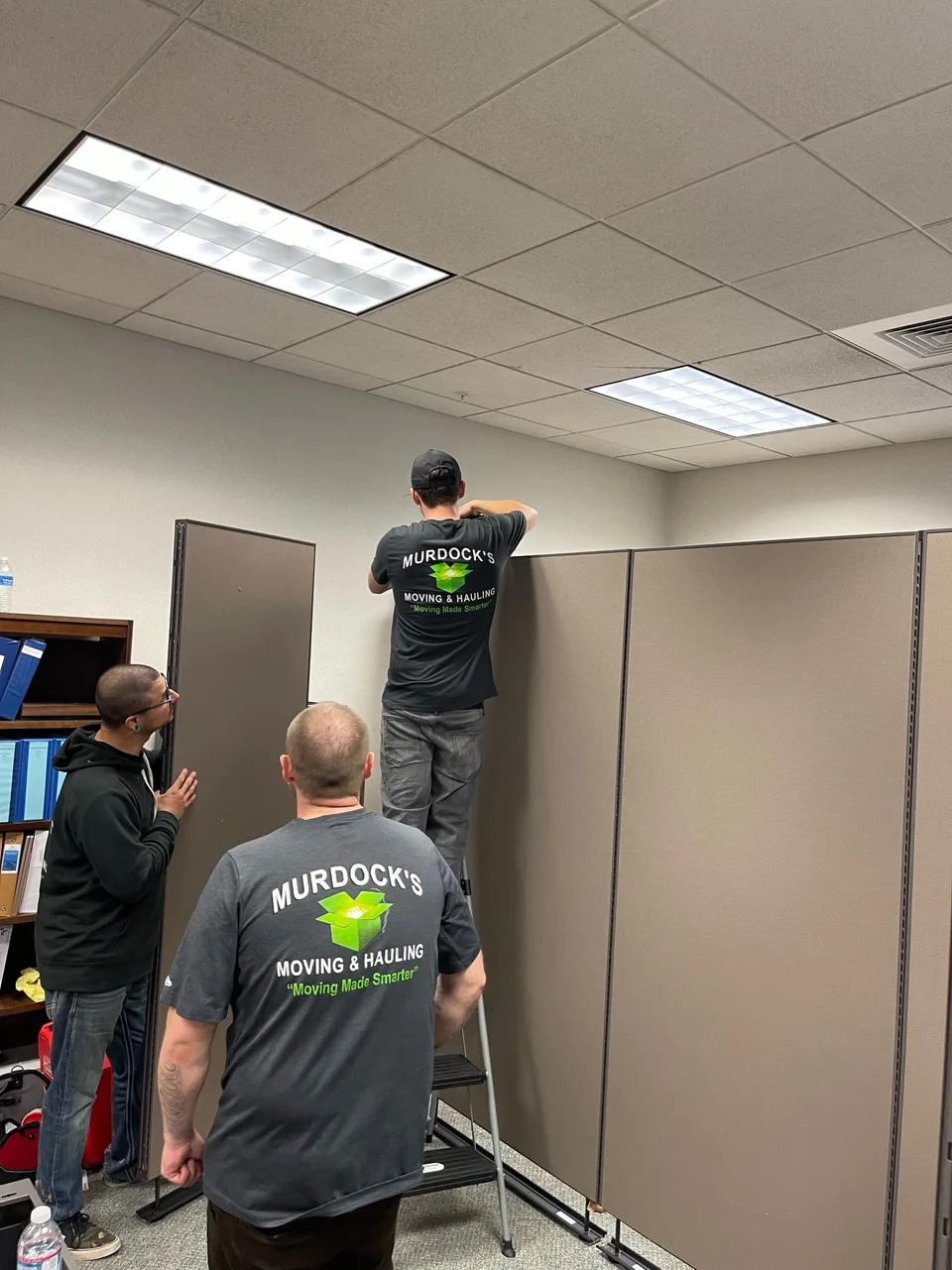
Murdock’s crew rebuilding cubicle panels in an office, one mover on a step ladderMurdock’s movers working the loading ramp of an open box truckThe Murdock’s crew lined up behind the truck on an orchard road in Butte County

Warehouse Moving FAQs

Another question? Call (530) 354-8089.

When should our team freeze the count before the warehouse changes buildings?

Usually at the close of the last receiving day before loading. Stop putting stock away, count what is on the floor and tag each pallet with its new location. Anything that arrives after the freeze goes to a separate staging area and moves on the final trip, so the count your team signed off matches what comes off our trucks.

Our new building's storage is not finished. Can pallets arrive anyway?

They can, if your manager is willing to give up floor space. We set pallets in a staging zone in location order, away from the installer's work, and your team puts them away as bays are signed off. It means handling each pallet twice, so where the calendar allows, we would rather see storage finished before the first load.

Can a box truck use our dock, or do we need a grade-level door?

It depends on the dock height and the leveler. Some docks line up well with a box truck bed; others sit high enough that the plate is steep for a loaded jack. We check both buildings before booking. If the dock does not suit, a grade-level door is often the easier way to move benches, bins and lighter pallets.

Do you bring stock down from the high bays, or does our team?

Your team does. Anything stored above hand reach comes down with your own equipment and operators and is set on the floor or a pallet for us. From there we wrap, tag and move it. That keeps high-bay work with the people trained for it and lets our crew keep the jacks moving at floor level.

Plan your business move

Tell us both addresses, the building rules you know about, and the dates you cannot move. We will send back a written plan and estimate.

Call (530) 354-8089

Mon–Sat 8:00 AM–6:00 PM · Sun 10:00 AM–4:00 PM

Call Nowcall530-354-8089