Retail, Restaurant & Hospitality

Restaurant Moving in Chico, Yuba City and Sacramento

Your trades take the hood line, gas equipment and refrigeration. Our crew moves the dining room, bar furniture, dry storage and smallwares around them.

(530) 354-8089
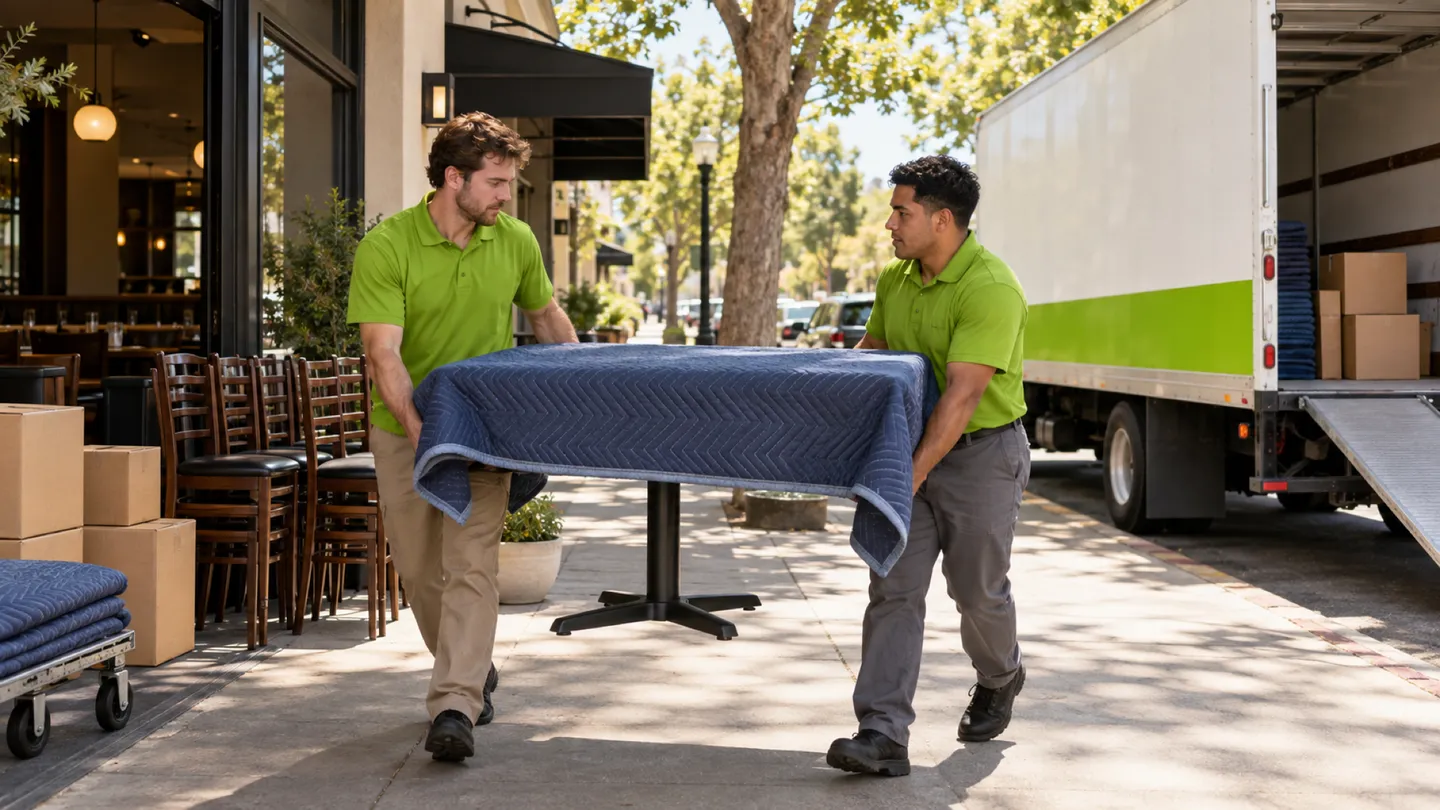
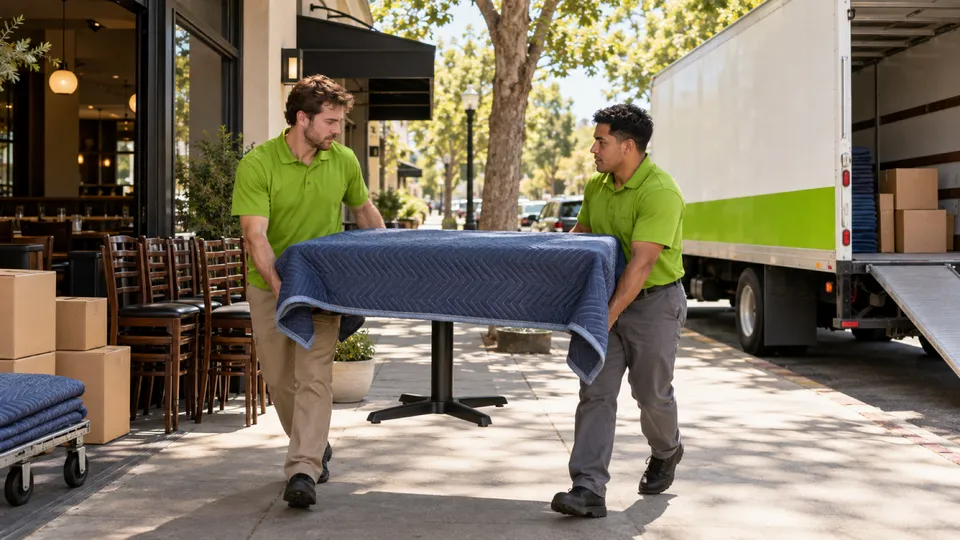
Restaurant moving in the Sacramento Valley: Murdock's crew at work
  • Licensed & InsuredUSDOT 3421940 · MC 1416634
  • Locally OperatedChico + Yuba City
  • Sacramento ValleyChico · Yuba City · Sacramento

Start your restaurant move quote

verifiedFor estimate purposes onlycredit_card_offNo credit card required

Planning a Restaurant Move

Most restaurant moves in the Valley split cleanly down the middle of the building. Behind the pass sits everything that is plumbed, piped, vented or refrigerated: the cookline under the hood, the fryers and ranges on the gas manifold, the dish machine, the walk-in. None of that belongs to a moving crew. In front of the pass, and in the dry-storage room, sits everything else, and that is the part we carry.

For a downtown Chico dining room, a Colusa Avenue family restaurant in Yuba City or a place off J Street in Sacramento, the order usually looks the same. The owner books the final service. The kitchen equipment contractor and licensed trades take the line out of service. Our crew boxes the smallwares one station at a time, takes apart the dry-storage shelving, and moves tables, booths that are not fixed, host stand and bar stools. At the new address the dining room waits until the trades have the kitchen working and the county has done its opening inspection, then goes in to your floor plan.

Who usually signs off
Restaurant owner or general manager, with the kitchen lead and liquor licensee confirming their inventories
Timing that works
Final dinner in the old room, then a gap the trades control: equipment off, new kitchen passed by county environmental health, then dining room set for the soft opening.

What typically moves

  • Dining tables, bases and loose chairsTops come off pedestal bases where they unbolt, so each travels flat and each base is bagged with its hardware.
  • Freestanding booths and banquette sectionsOnly sections that stand free. Booths screwed to the wall or floor are the carpenter's or installer's to release first.
  • Host stand, menu racks and waiting benchesUnloaded first, so the entrance is set before the room fills in behind it.
  • Bar stools and empty back-bar cabinetsBottles and kegs out first under the licensee's plan; the cabinets move empty, doors taped.
  • Dry-storage wire shelving and dunnage racksPosts, shelves and S-hooks bundled per unit and marked with the bay they stand in on the new drawing.
  • Sheet pans, lexans, hotel pans and sauté pansNested by size in cartons labeled prep, line, dish or pastry, so the kitchen lead unpacks one station at a time.
  • Glassware, flatware and chinaGlassware in cell cartons, china on edge, flatware bundled by type; your staff washes everything before first service.

Access and scheduling

The date that matters is the day the new kitchen passes inspection, not the truck date. We ask for the trades' schedule, pencil the dining room in after the equipment set, and confirm once the line is running.

Loading is usually from the back. Downtown Chico and older Sacramento buildings often load from a shared alley that also takes food and linen deliveries in the morning, so an afternoon slot tends to work. Strip-center restaurants in Yuba City or Roseville load from the lot, where we need the spaces nearest the rear door kept clear. If the landlord wants proof of insurance before the crew arrives, we send a certificate naming them. Moves after the final dinner service run late at night on request.
Protection and handling

Restaurant furniture takes a beating in service and still shows every new scratch. Table edges get pads, chair stacks stay short so legs are not levered against each other, and booth upholstery is wrapped against the truck walls. Floor runners go down from the dining room to the door, because a fresh floor at the new place is easy to gouge with a table base.

Your staff empties and cleans every shelf, pan and bin before it is packed; we do not handle open food. Anything that has to stay cold travels with your team, on your schedule, in your vehicles or with your food supplier. Pans, utensils and small appliances are packed by station so the kitchen lead can set a line without searching, and every carton is marked on two sides with its station name.

Who does what

Some of this job belongs to other trades. The written plan names each one.

Ranges, fryers, charbroilers and the gas manifold
A licensed plumber or the equipment contractor shuts off the gas, then hooks up and leak-tests each unit at the new kitchen. Our crew never touches gas lines.
Type I hood, grease duct and fire-suppression system
Stay with the building. The hood installer and a licensed fire-suppression contractor handle any change and the service tag.
Walk-in cooler, freezer and remote refrigeration
The refrigeration contractor handles refrigerant and panels. An installed walk-in normally stays with the lease.
Liquor, beer and wine behind the bar
The ABC licensee counts and transports that stock under its own license; we move the empty bar furniture.

Not part of our work

  • Gas, water, drain and hard-wired electrical disconnects or reconnects of any kind.
  • Hoods, duct, fire suppression, grease traps and walk-in refrigeration.
  • Open food, perishables and anything needing temperature control in transit.

Around Chico, Yuba City and Sacramento

Downtown Chico around Broadway and Main has older buildings with alley loading and narrow rear doors. Colusa Avenue in Yuba City is mostly strip centers with lot loading. Sacramento spans the J Street and midtown corridor, Old Sacramento's tight streets and suburban pads in Natomas and Elk Grove. In July, a dining-room carry across a Valley parking lot is done by late morning.

The crew that shows up

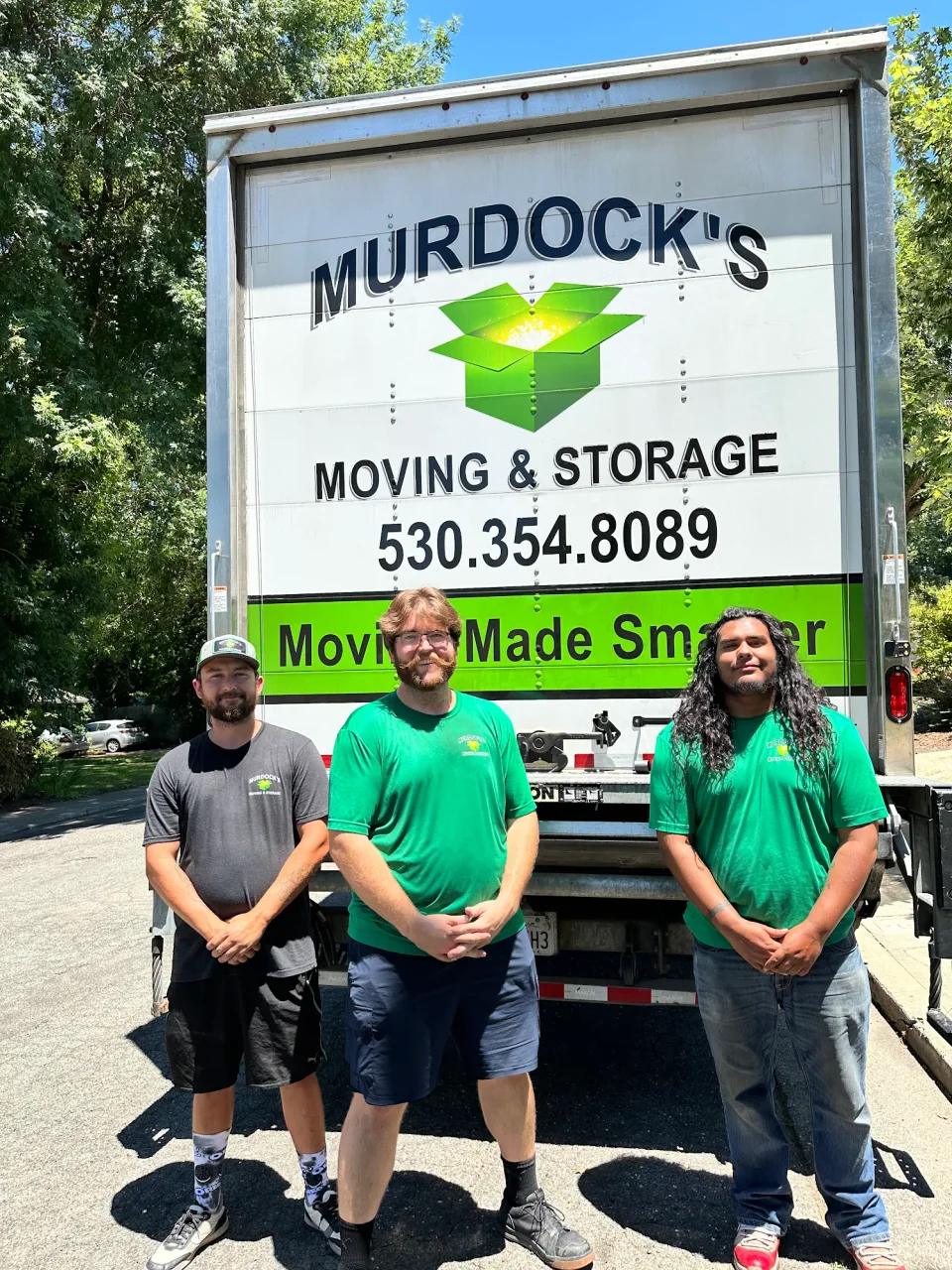
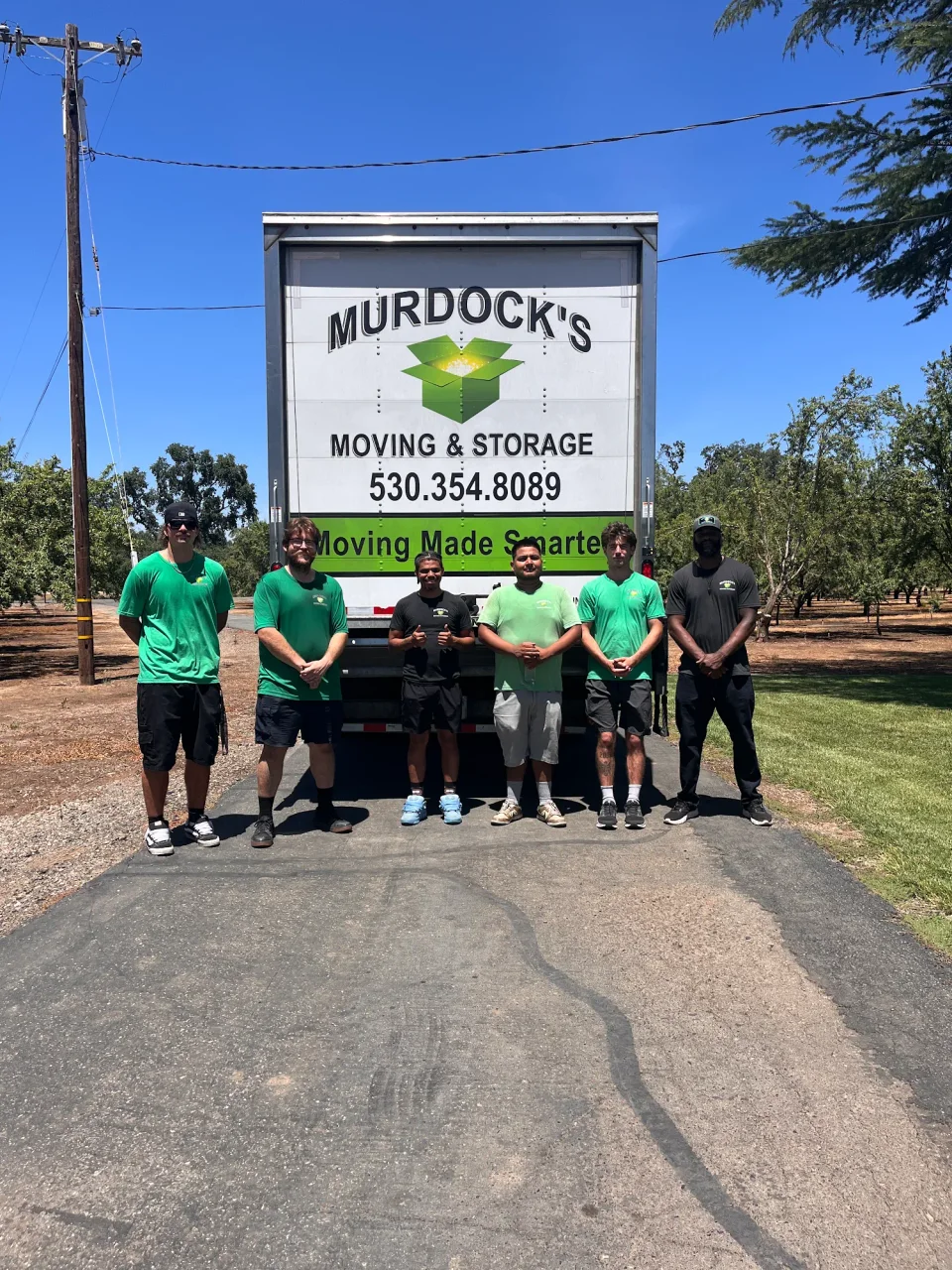
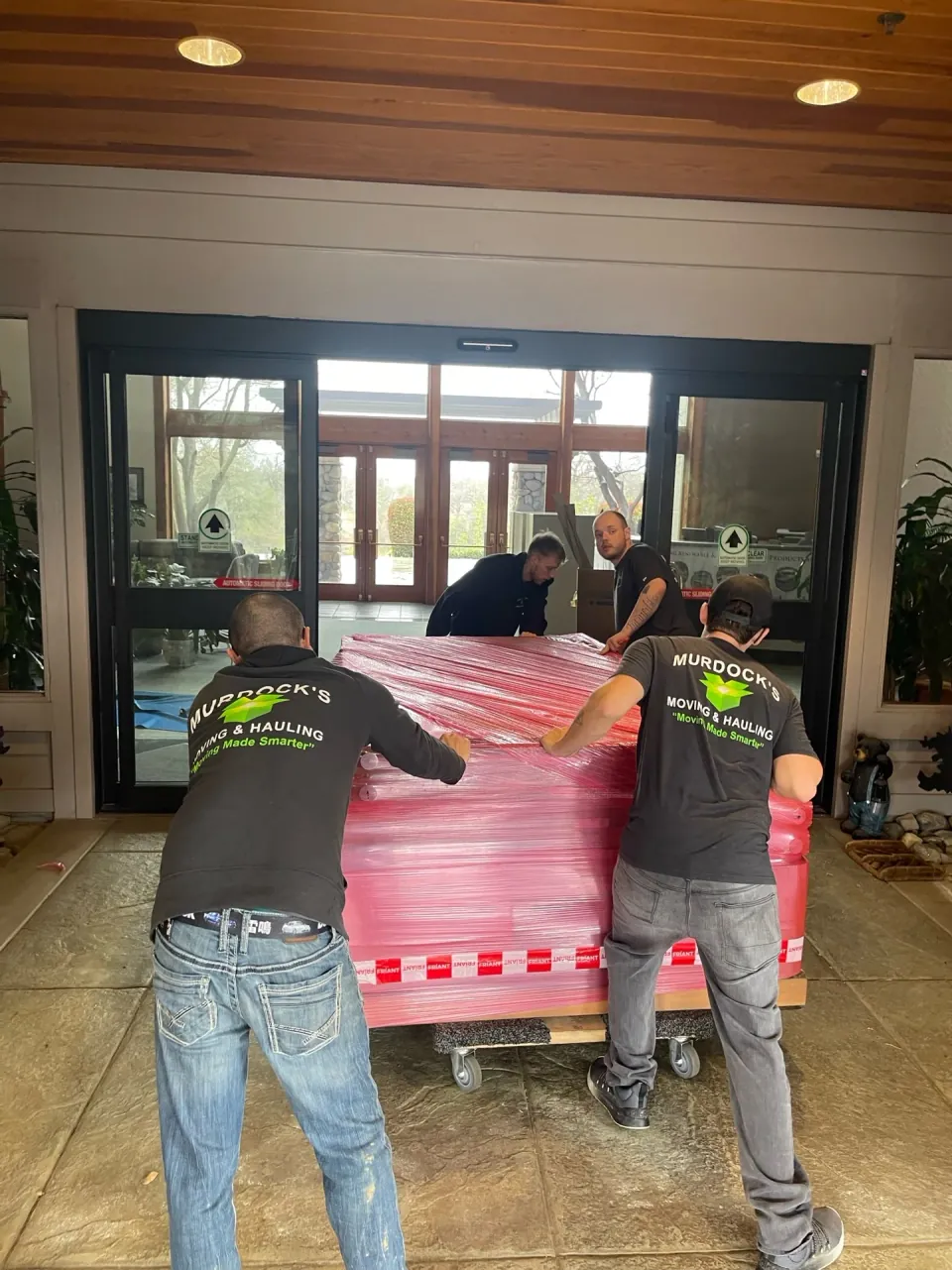
The Murdock’s crew lined up behind the truck on an orchard road in Butte CountyMurdock’s crew rolling a shrink-wrapped piece on dollies through a building lobbyThree Murdock’s crew members at the back of the box truck

Restaurant Moving FAQs

Another question? Call (530) 354-8089.

Our new kitchen still needs its health inspection. When should the dining room arrive?

After the trades have the line running, or close to it. Tables and chairs in a kitchen under construction just get in the way and pick up dust. We usually hold the dining-room load until the equipment is set, then deliver in time for staff to wash smallwares and set the room before the soft opening.

Can our booths come with us?

Freestanding booth sections can. Booths anchored to the wall or floor need the installer or a carpenter to release them first, and many get damaged coming off. Walk the room with us and we mark which pieces are free, which are fixed, and which your landlord expects to stay.

Will you move the reach-in coolers from the line?

A freestanding reach-in can travel once the refrigeration vendor has emptied, cleaned and released it and told you how to transport it. Anything tied into remote refrigeration, the walk-in or the gas supply stays with the trades. Put each released unit on the equipment list so we bring the right dollies.

How do we keep the kitchen running until the last dinner?

Leave the line alone until close. We pack dry storage, spare china and the dining-room décor in the days before, then take tables, chairs and the remaining smallwares after the last seating, with a late start on request. Your kitchen lead sets aside what service still needs.

Plan your business move

Tell us both addresses, the building rules you know about, and the dates you cannot move. We will send back a written plan and estimate.

Call (530) 354-8089

Mon–Sat 8:00 AM–6:00 PM · Sun 10:00 AM–4:00 PM

Call Nowcall530-354-8089