Retail, Restaurant & Hospitality

Retail Store Moving in Chico, Yuba City and Sacramento

Gondola runs come down by bay, boxed stock rides by SKU and department, and the truck works inside the hours your landlord grants.

(530) 354-8089
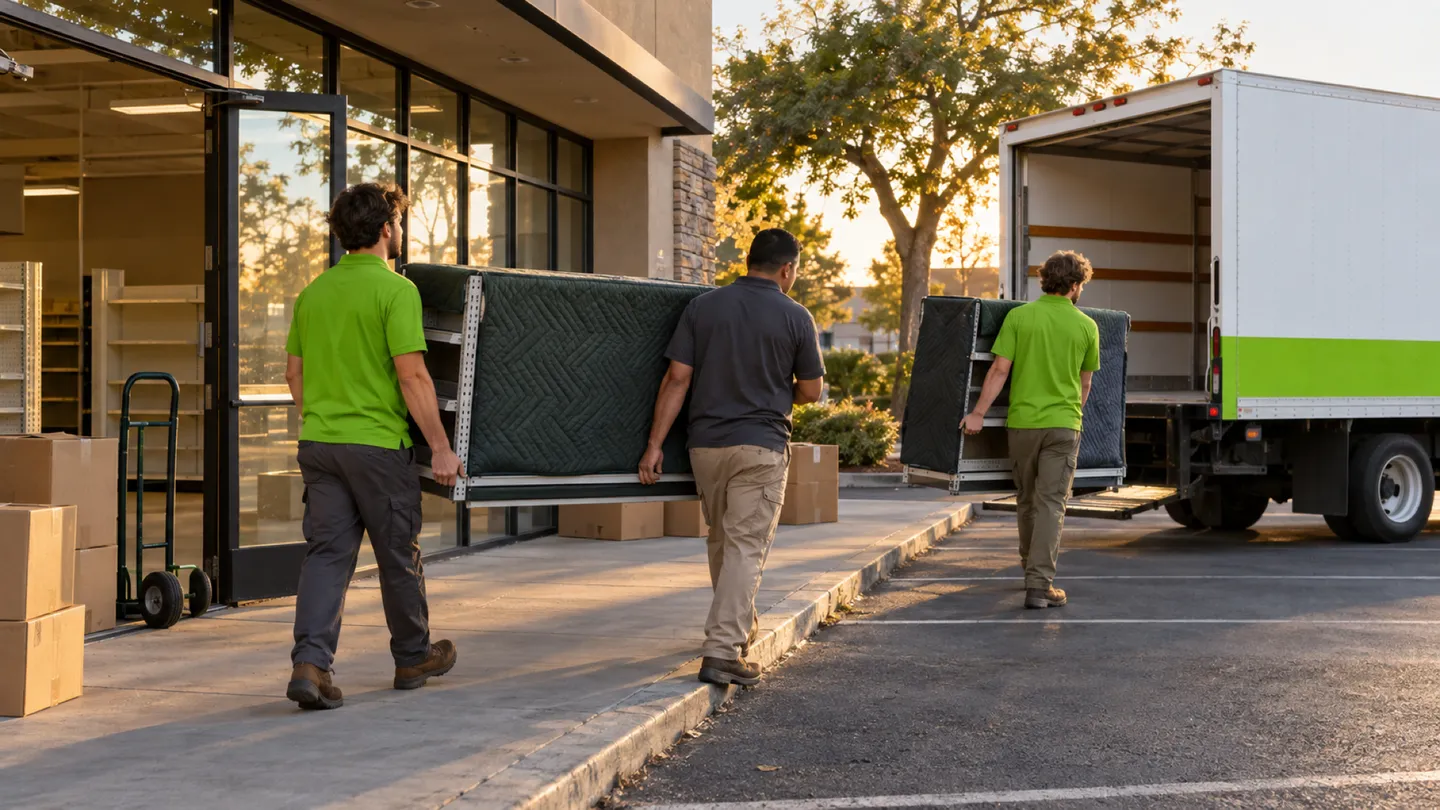
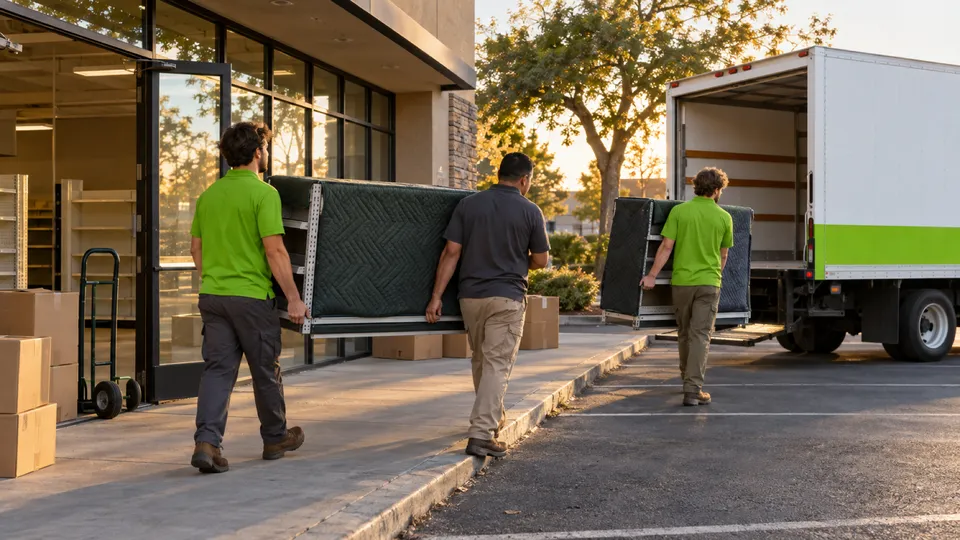
Retail Store moving in the Sacramento Valley: Murdock's crew at work
  • Licensed & InsuredUSDOT 3421940 · MC 1416634
  • Locally OperatedChico + Yuba City
  • Sacramento ValleyChico · Yuba City · Sacramento

Start your retail store move quote

verifiedFor estimate purposes onlycredit_card_offNo credit card required

Planning a Retail Store Move

When a store changes addresses, the sales floor has to reopen stocked, not just furnished. That means the gondolas, the cash wrap and the stockroom shelving land first, and the merchandise cartons arrive in an order your staff can shelve without sorting. The district or store manager signs off on two documents before we set a date: the new floor plan with fixture positions, and the merchandising plan that says which department goes on which run.

Gondola shelving is the backbone of most retail moves. Each run is a set of base decks, uprights, back panels, shelves and kick plates, and it only goes back up square if every part is marked to its bay. Our crew breaks runs down bay by bay, bags the brackets and shelf clips with each one, and stands the parts beside their new position. Your team seals stock by SKU range, and those cartons stay your count.

A downtown Chico storefront and a Galleria-area suite in Roseville load very differently, so the plan begins with the lease rules. More on how shops and venues move is on the retail and hospitality hub.

Who usually signs off
Store owner or district manager, with the store manager confirming the floor and stock plan
Timing that works
Most stores sell through the last day, then tear down after close; mall tenants load inside the center's posted move-in hours, often after the doors lock.

What typically moves

  • Gondola base decks, uprights and back panelsMarked by run and bay number, with shelf clips and leveling feet bagged and taped to the upright they came off.
  • Gondola shelves, peg hooks and endcap headersShelves stack by depth; peg hooks are bundled by length so the planogram set goes faster.
  • Cash-wrap counter sections and bag wellsUnbolted sections travel padded and marked left to right; the register hardware waits for your point-of-sale vendor.
  • Freestanding tables, rounders and four-way racksGrouped by the department they will serve on the new floor plan.
  • Stockroom steel shelving and receiving tablesSet up before any merchandise arrives, so cartons go straight onto shelves instead of the floor.
  • Sealed merchandise cartons by SKU rangeYour staff labels department, SKU range and new aisle; we stage each group at its run.

Access and scheduling

Shopping centers publish tenant move-in rules, and those rules set the schedule. Expect limits on which service door and corridor a crew may use, when a truck can stand at the dock, whether carts need rubber wheels, and how the corridor floor must be covered. Centers commonly ask for proof of insurance before they book the dock, and we issue a certificate naming the landlord on request.

For a mall store, loading usually happens after the center closes to shoppers, so we plan the teardown in the order the service corridor allows: stockroom first, then back runs, then the front of the store. A street-front shop in downtown Chico or on Colusa Avenue has the opposite problem, customers walking past an open door, so we find a side or rear entrance and cone off a short path.

At the new store, the fixture plan should show which walls are finished and released. We set bases and stockroom shelving first and hold merchandise on the truck until each run is standing.
Protection and handling

Finished end panels and slatwall ends are padded face to face, glass shelves ride on edge in their own cartons, and gondola uprights travel banded together so the slots do not bend. We keep hardware with its bay rather than in a shared bucket, because a missing shelf clip can hold up a whole aisle.

Stock is handled as your count, not ours. Your staff seals each carton and records any mixed or partial cartons on its own sheet. We unload each department beside the run it will sit on, so the planogram reset starts at the shelf, not in the back room.

The electronic article surveillance pedestals at the door, the alarm panel, and any lighting wired into a fixture stay put until the vendor or electrician who installed them takes them off. We handle the fixture parts they release.

Who does what

Some of this job belongs to other trades. The written plan names each one.

Point-of-sale terminals, scanners and receipt printers
The retailer's register vendor or its IT staff shuts down, moves or reinstalls and tests the checkout system. We carry unplugged screens and printers with the cash-wrap sections.
Door security pedestals, alarm panel and cameras
The security vendor removes and reinstalls them, because they are cabled into the floor or ceiling.
Planogram and merchandise reset
Your merchandising team or the chain's reset crew sets product on the rebuilt runs. We place fixtures and cartons to their plan.

Not part of our work

  • Counting, valuing or reconciling merchandise; the store keeps its inventory record.
  • Removing fixtures fastened to the building before the landlord approves it and the installing trade releases them.

Around Chico, Yuba City and Sacramento

Retail space in the Valley ranges from older storefronts on Broadway and Main in downtown Chico, to centers along Colusa Avenue in Yuba City, to enclosed-mall and big-box suites around the Roseville Galleria and along I-80. Each has its own rules for where a box truck may stand and when it may load.

The crew that shows up

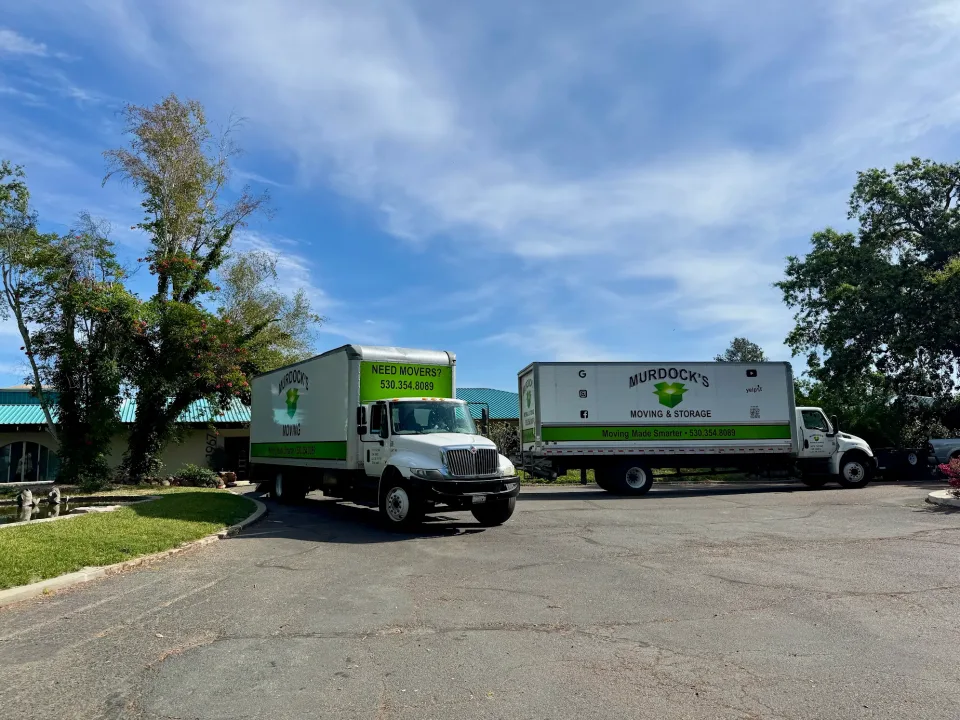
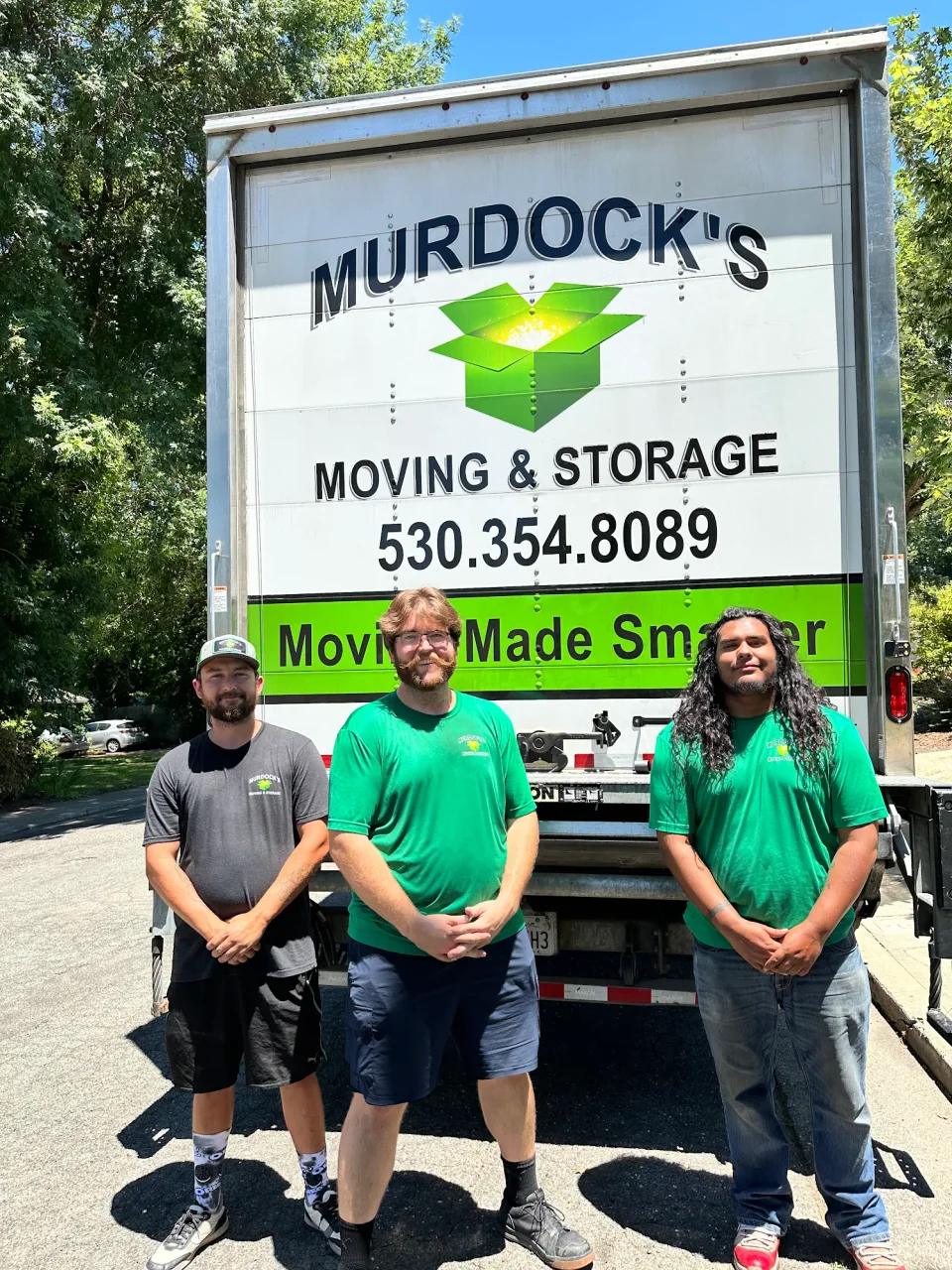
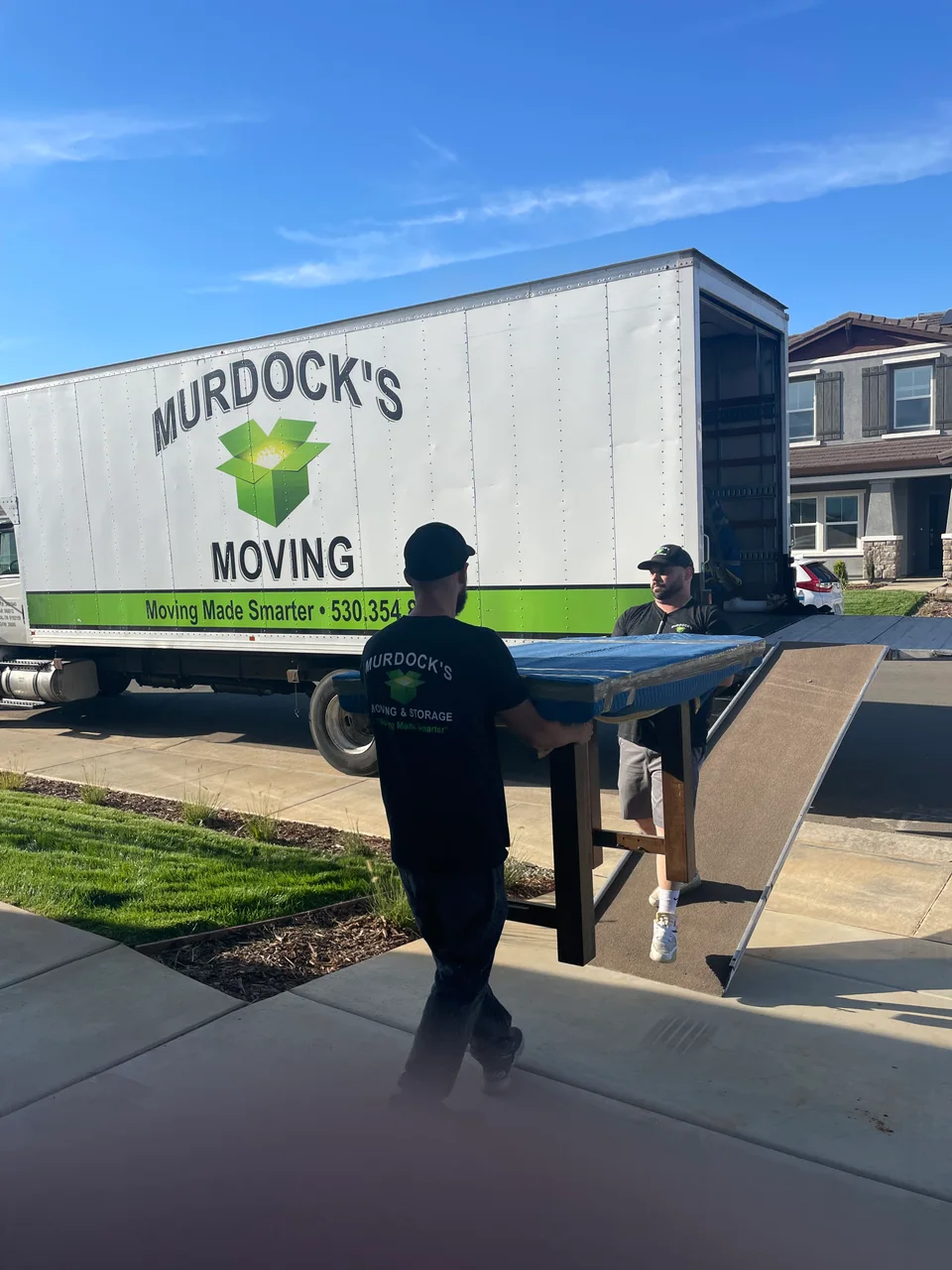
Three Murdock’s crew members at the back of the box truckTwo Murdock’s movers carrying a pad-wrapped table up the truck rampTwo Murdock’s box trucks staged outside a single-story building in the Sacramento Valley

Retail Store Moving FAQs

Another question? Call (530) 354-8089.

Our mall only lets tenants load after the center closes. How does that change the plan?

It mostly changes the order of work. We tear down the stockroom and back runs first, since they are closest to the service corridor, and finish the sales floor last. Send the center's move-in rules and the dock booking so we can size the crew to the hours you are given, and request the certificate of insurance the property wants on file.

Can our gondolas be rebuilt in a different aisle layout at the new store?

Usually, if the new fixture plan fits the parts you own. We mark each bay to its old run during teardown and to its new run before loading. A layout with longer runs or new endcaps often needs extra uprights or shelves, so ask your fixture supplier to check the plan against your parts before the move date.

How should our staff label boxed stock so the reset goes quickly?

Write the department, SKU range and destination aisle on two sides of every sealed carton, and mark mixed cartons as mixed. We load and unload by those labels, so each group of cartons lands beside the run it will be shelved on.

Who moves the security pedestals at our front door?

The vendor who installed them. Door pedestals, cameras and the alarm panel are cabled into the building, so that company removes and reinstalls them. Book them for the evening before and the day after the move, and we plan the storefront teardown around their visit.

Plan your business move

Tell us both addresses, the building rules you know about, and the dates you cannot move. We will send back a written plan and estimate.

Call (530) 354-8089

Mon–Sat 8:00 AM–6:00 PM · Sun 10:00 AM–4:00 PM

Call Nowcall530-354-8089