Commercial Service

Restaurant Equipment Moving in the Sacramento Valley

Freestanding kitchen pieces, released by your trades and moved on a tagged equipment list, along with the smallwares and dining furniture that go with them.

(530) 354-8089
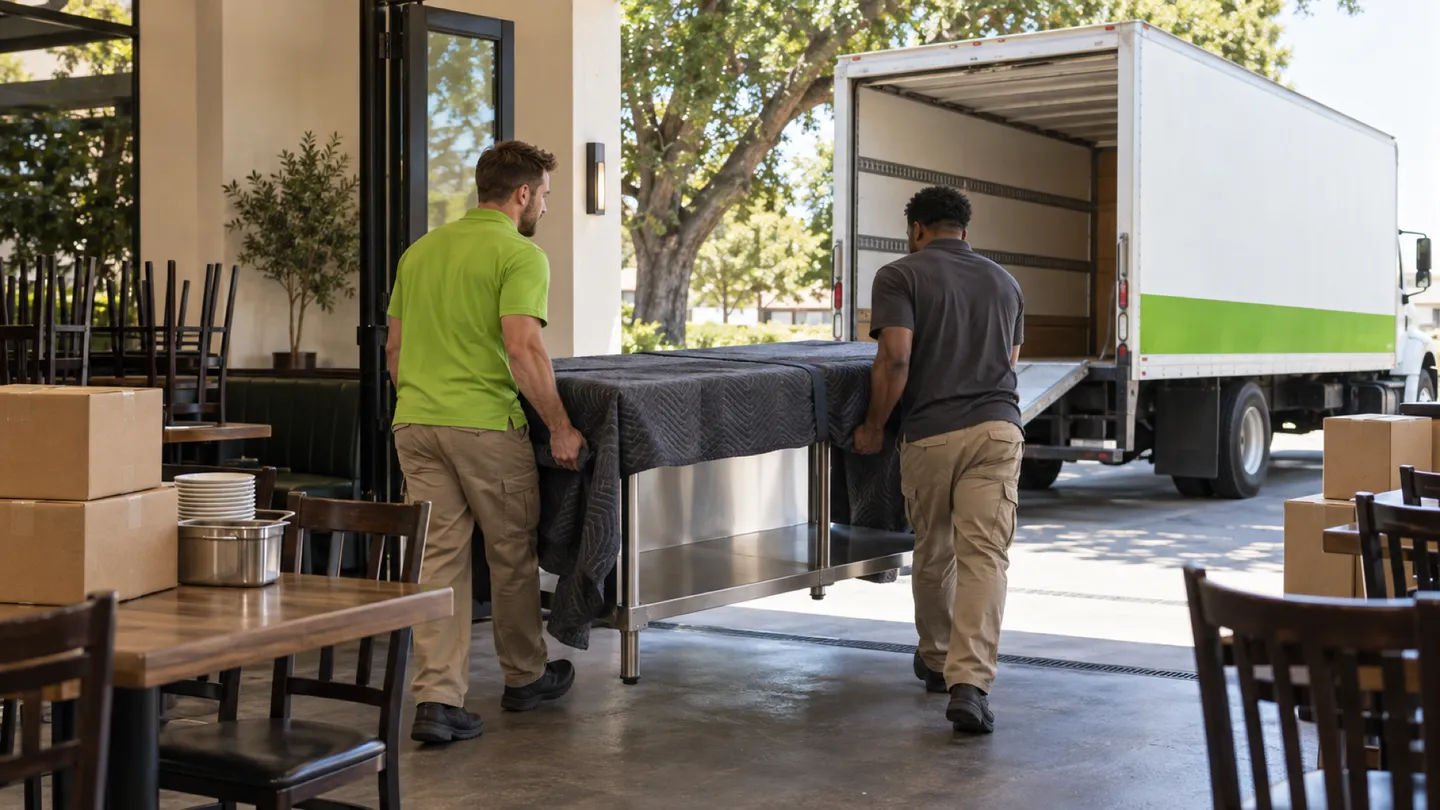
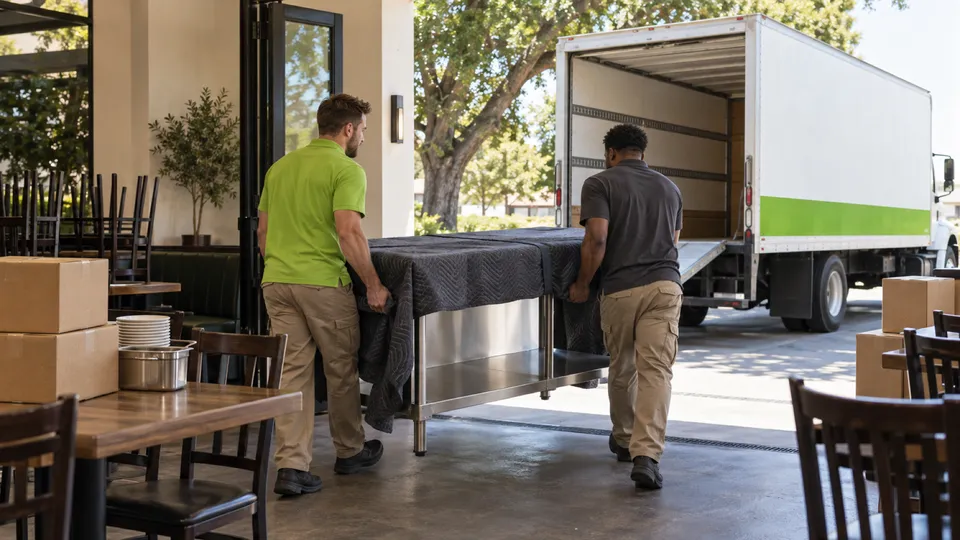
Restaurant Equipment Moving moving in the Sacramento Valley: Murdock's crew at work
  • Licensed & InsuredUSDOT 3421940 · MC 1416634
  • Locally OperatedChico + Yuba City
  • Sacramento ValleyChico · Yuba City · Sacramento

Start your commercial move quote

verifiedFor estimate purposes onlycredit_card_offNo credit card required

How We Plan Restaurant Equipment Moving

This service covers the kitchen equipment a moving crew can reasonably carry: stainless worktables, mobile racks, freestanding reach-ins and prep coolers, countertop mixers and slicers, and the rolling carts and dunnage racks that fill a back of house. It works from one document, an equipment list with a tag number on every piece, and it runs in a fixed order.

First, your kitchen lead walks the space with us and tags each piece that is going. Second, the licensed trades and your equipment vendor take the gas, water, drain and power off whatever needs them and tell you, in writing, which units are released. Third, our crew preps the released pieces: shelves and pans out, doors strapped, casters locked, cords coiled and taped. Fourth, we load by the new kitchen's drawing, so the tag numbers coming off the truck match the spots marked on the floor. Last, the trades come back to connect and test. Nothing moves before its release, and nothing gets hooked up by us.

Who usually signs off
Restaurant owner or general manager, with the kitchen lead approving equipment and station lists
Timing that works
Trades disconnect after the last service, our crew moves released pieces the next morning, and the trades hook up at the new kitchen before its opening inspection.

What typically moves

  • Stainless worktables and equipment standsUndershelves come off where they unbolt; legs stay on, feet padded.
  • Freestanding reach-in coolers and prep tablesEmptied, cleaned and released by the vendor, then carried upright on a padded dolly, doors strapped shut.
  • Sheet-pan racks, speed racks and cooling racksRolled onto the truck and strapped to the wall so they cannot drift and bend a frame.
  • Countertop mixers, slicers and food processorsBowls, blades and attachments boxed separately and taped to the tag of the machine they belong to.
  • Dunnage racks and dry-storage shelvingKnocked down to posts and shelves, bundled per unit, marked with the storeroom bay.
  • Mobile hot-holding cabinets and bus cartsCords coiled and secured; wheels checked before loading because a stuck caster is a dropped cart.
  • Smallwares, pans and kitchen utensilsPacked by station, prep, line, dish and pastry, once your staff has cleaned and dried them.

Access and scheduling

With stainless this heavy, the carry route counts for more than the mileage. Before the move we measure the old back door, the new one and every turn between the dock or alley and the line. Some reach-ins were set before the walls went up and will not leave the way they came; if a unit will not clear a door without taking the door off its hinges, the landlord and your contractor decide that, not our crew.

We schedule around the trades. Their disconnect usually happens after the last service, and our crew arrives once they have signed off the pieces, often first thing the next morning. The new kitchen needs to be ready to receive: floor finished, wall tile done, the trades booked for connection. Many downtown Sacramento and Chico buildings ask for proof of insurance, a certificate naming the owner, before any crew uses the alley or dock.
Protection and handling

Stainless dents and scratches easily, and a dented reach-in door may never seal again. Every unit gets full pads and is strapped on the truck, never stacked. Refrigerated units ride upright, and your refrigeration vendor sets the wait between delivery and power-up for each unit; we set it in place and leave the plug alone.

At delivery, each tag goes to the matching spot on the drawing, with enough clearance behind it for the trades to reach connections. Worktables are leveled on their feet if they adjust by hand. Smallwares cartons go to the station on their label and stay closed, because your staff will wash everything before first use anyway. We note any existing dents or missing parts on the list at loading, so there is no argument about them later.

Who does what

Some of this job belongs to other trades. The written plan names each one.

Gas, water, drain and hard-wired power to kitchen equipment
Licensed plumbers and electricians disconnect at the old kitchen and reconnect and test at the new one. Their release decides what our crew may move.
Reach-in and prep-table refrigeration
Your refrigeration or equipment vendor preps each unit, handles any refrigerant work, and restarts it at the new kitchen.
Hood, cookline and anything installed
The kitchen equipment contractor removes and installs the hood line, walk-ins and built-in equipment, with a crane or rigging company if a unit needs one.

Not part of our work

  • Any gas, water, drain or electrical disconnect or connection.
  • Hoods, fire suppression, walk-in coolers and freezers, and built-in cooking lines.
  • Starting up, testing or judging whether a unit is fit for food service.

Around Chico, Yuba City and Sacramento

Old downtown kitchens in Chico and Marysville often have one narrow rear door, while Roseville and Natomas strip-center kitchens load straight from the lot. When a restaurant moves in July, heavy stainless goes on the truck early, before truck floors and parking-lot asphalt heat up.

The crew that shows up

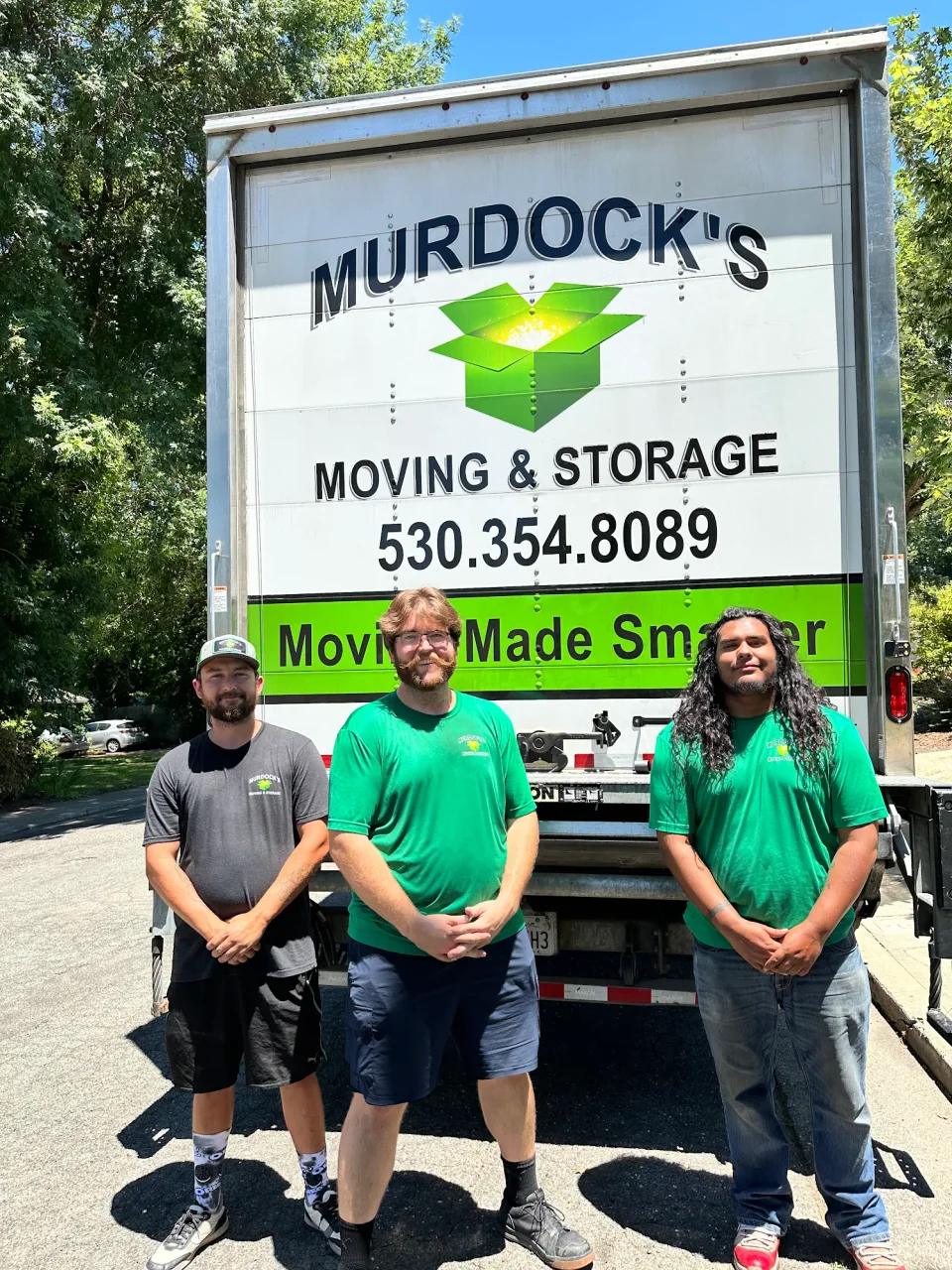
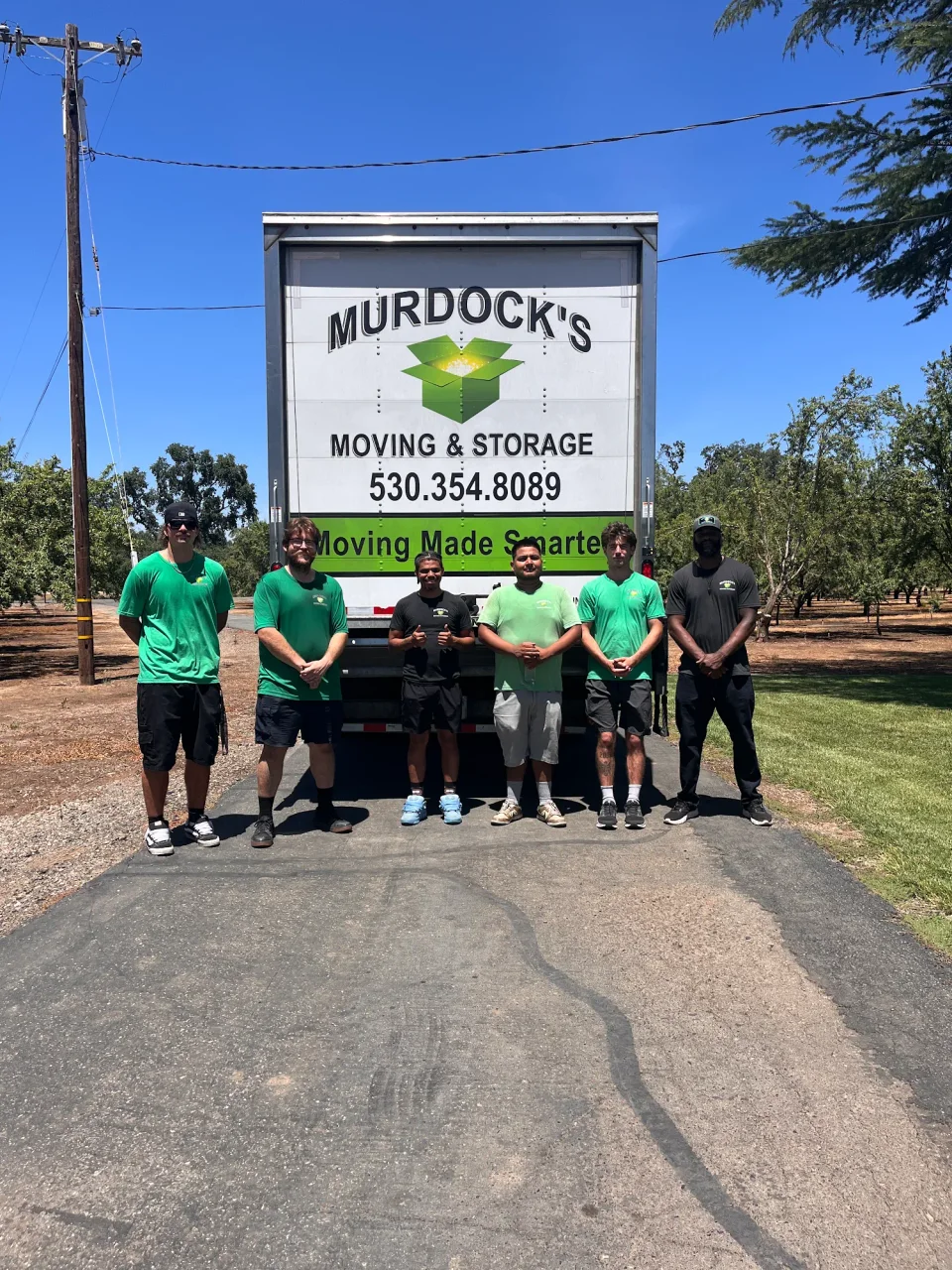
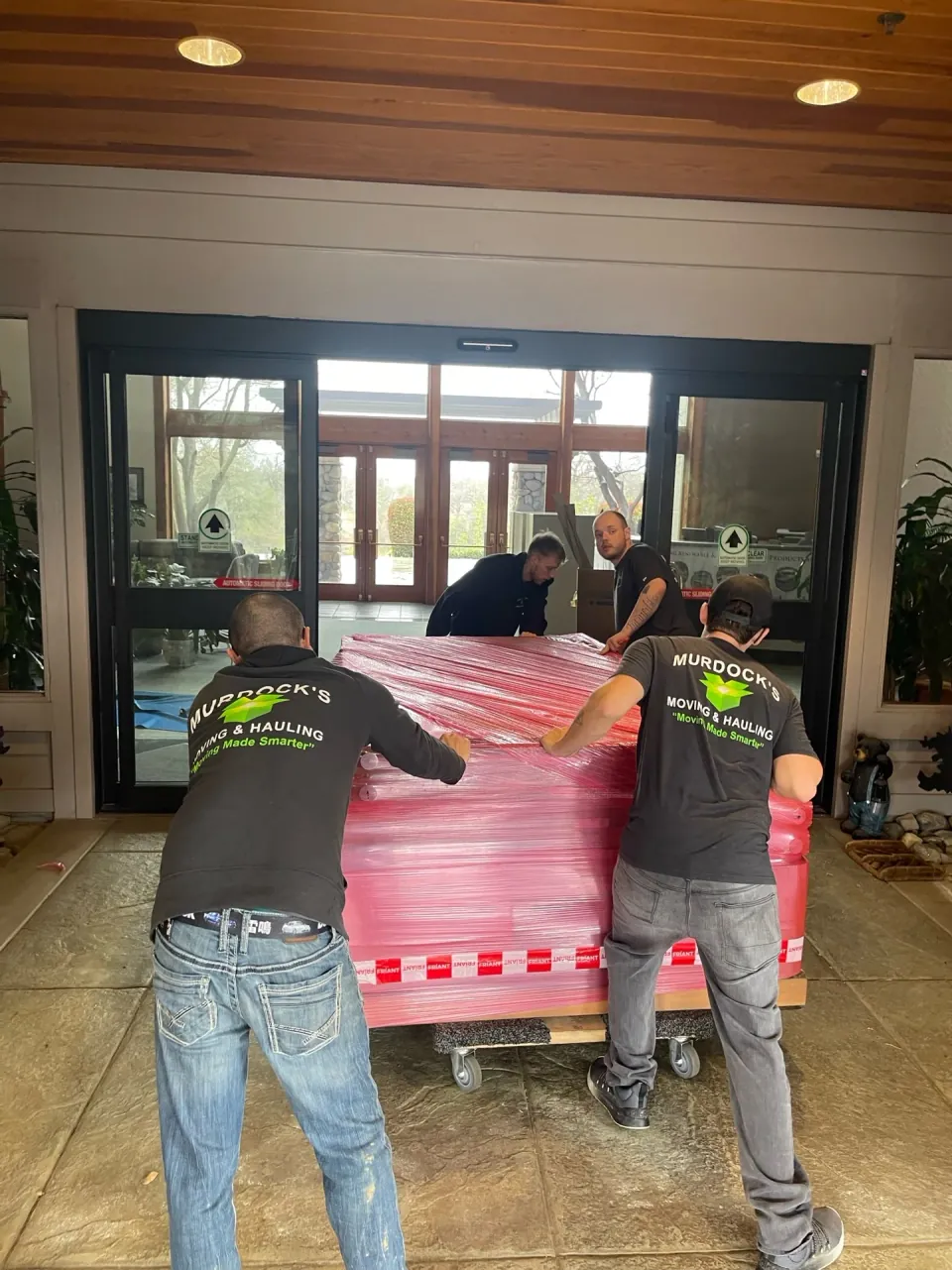
The Murdock’s crew lined up behind the truck on an orchard road in Butte CountyMurdock’s crew rolling a shrink-wrapped piece on dollies through a building lobbyThree Murdock’s crew members at the back of the box truck

Restaurant Equipment Moving FAQs

Another question? Call (530) 354-8089.

What goes on the tagged equipment list before the move?

Every piece that is leaving: tag number, what it is, whether a trade must release it, and where it goes on the new drawing. Your kitchen lead fills it in with us during the walk-through. The list is also the record of existing dents and missing parts, and your trades sign off against the same numbers.

How long should a reach-in stand before we plug it back in?

That is the refrigeration vendor's call for your specific unit, and it depends on how it traveled. We keep refrigerated pieces upright and set them where the drawing says. Your vendor or staff powers them up when the vendor says it is safe, then checks temperature before food goes in.

Our old prep table barely fits through the back door. What then?

We measure first. If it clears with the door open and the unit tipped, we plan that carry. If it needs the door removed, a frame trimmed or the table taken apart, your landlord and contractor decide, and the equipment vendor tells you whether the unit comes apart safely.

Can smallwares and kitchen equipment ride on the same truck?

Usually, yes. Heavy equipment loads first against the front wall and is strapped. Smallwares cartons ride in their own section, packed by station and kept away from anything heavy. On a bigger kitchen we may split them into two loads so the equipment arrives before the trades do.

Plan your business move

Tell us both addresses, the building rules you know about, and the dates you cannot move. We will send back a written plan and estimate.

Call (530) 354-8089

Mon–Sat 8:00 AM–6:00 PM · Sun 10:00 AM–4:00 PM

Call Nowcall530-354-8089