Retail, Restaurant & Hospitality

Auto Parts Store Moving Across the Sacramento Valley

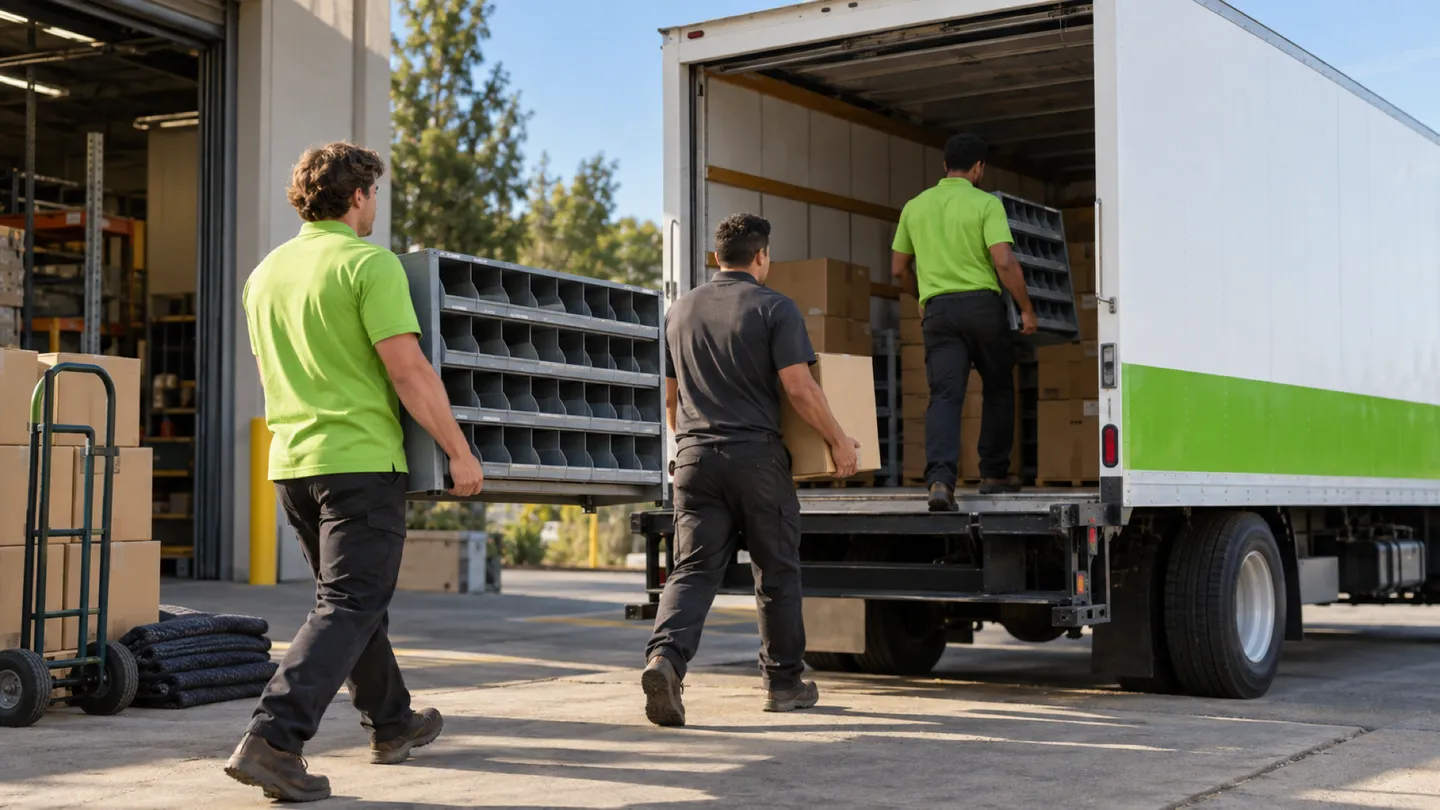
Bin shelving and dense stock moved aisle by aisle, packed small enough to carry, and set back at the bin numbers your counter staff use.

(530) 354-8089
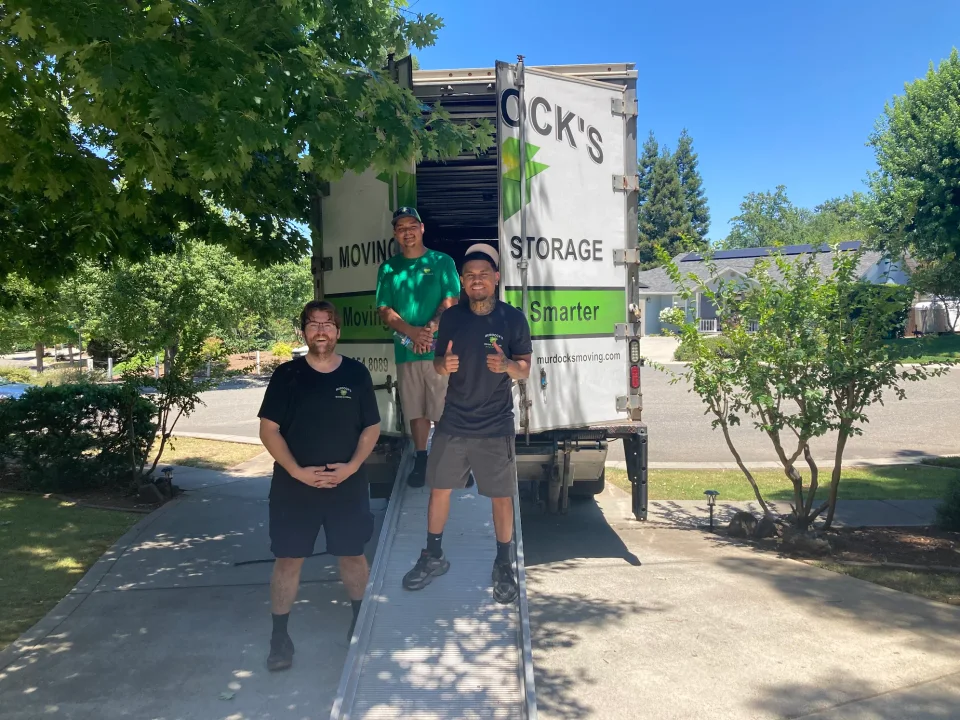
Auto Parts Store moving in the Sacramento Valley: Murdock's crew at work
  • Licensed & InsuredUSDOT 3421940 · MC 1416634
  • Locally OperatedChico + Yuba City
  • Sacramento ValleyChico · Yuba City · Sacramento

Start your auto parts store move quote

verifiedFor estimate purposes onlycredit_card_offNo credit card required

Planning a Auto Parts Store Move

An auto parts store sells from a location system. Counter staff pull up a part number, then go to the aisle and bin it names, so the move only works if every bin ends up where the system now says it is. The store manager decides that map: which aisles keep their numbers, which categories shift, and which bins must stay open until the last day for commercial accounts and walk-in customers.

The other thing that sets this move apart is weight. Rotors, drums, calipers, starters and alternators are small and heavy, and a normal moving carton full of them will split. Your staff packs dense stock into small cartons by bin, and our crew moves them low in the truck. Shelving moves empty, broken down to uprights and shelves, and goes up at the new store before any stock arrives.

Batteries, core returns and fluids travel on a separate plan set by the store or its supplier, not in our load. The same aisle-by-aisle approach works for a Chico or Yuba City store on Hwy 99 or a Sacramento-area store off I-80.

Who usually signs off
Store owner or district manager, with the parts manager approving the bin map and release order
Timing that works
Most stores close for a short stretch between a Saturday close and reopening; backstock and slow bins move in the days before, and the counter bins go last.

What typically moves

  • Steel bin shelving and gondola aislesBroken down empty to uprights, shelves and dividers, bundled and tagged with the aisle and bin range.
  • Small-parts drawer cabinetsDrawers are taped shut with contents in place when the cabinet is light enough, or emptied into labeled bags by bin.
  • Rotors, drums, calipers and hub assembliesPacked by your staff into small, double-taped cartons marked with bin range and carried low on the truck.
  • Starters, alternators and boxed pumpsKept in their own part boxes inside larger cartons labeled by bin.
  • Filters, wipers, belts and hosesLight stock boxed by bin and loaded last, since it goes on upper shelves after the heavy parts.
  • Parts counter, catalog stations and order-pickup shelvingPlaced first at the new store with the counter's computers and printers, so lookups work the morning the store reopens.

Access and scheduling

Parts stores rarely get to close for long. Commercial accounts, meaning repair shops and fleets, call through the day, and the store's own delivery drivers run parts out to them. We work with your manager on a sequence: slow-moving backstock and overflow first, then aisle by aisle, and the counter's top bins last.

Loading needs a spot that stays clear of customer parking and the supplier truck that restocks the store. A back door may take cartons but not a long shelf upright, so we measure both. At the new store we set shelving in aisle order before any stock comes in.

If a replenishment order is due during the move, ask the supplier to hold it or deliver it to the new store once shelving is standing, so new stock does not mix with counted cartons. For a shopping-center space, send the landlord's truck-hour rules, and ask us for the insurance certificate if the property wants one on file.
Protection and handling

The main risks are split cartons and bent shelving, not scratches. We use small cartons for dense parts, keep weight low in the truck, and stack cartons so a heavy box never sits on a light one. Uprights travel banded together so their slots stay straight, and shelf dividers stay bundled with their shelves.

Bin labels are protected like the parts themselves. Each carton shows the old and new bin in large print on two sides. At the new store the crew sets cartons beside their shelf and does not guess a bin if a label is missing; unlabeled cartons go to one spot for your staff to sort.

Your team checks quantities and updates the location system. Customer special orders, warranty returns and supplier-credit items stay in their own labeled group apart from saleable stock.

Who does what

Some of this job belongs to other trades. The written plan names each one.

Lead-acid batteries, cores and fluids such as coolant and brake fluid
Your store, its supplier or the core-return program moves them under its own procedures.
Parts lookup system, register and network
Your company's IT group or point-of-sale provider sets up and tests the counter systems. We move unplugged monitors and printers.
Bin assignments and the stock count
Your store manager and staff.

Not part of our work

  • Moving batteries, used oil, cores or other returnable and hazardous stock.
  • Updating bin locations in your parts system or reconciling counts.

Around Chico, Yuba City and Sacramento

Parts stores in the Valley serve a lot of farm and commercial trucks as well as passenger cars. Stores along Hwy 99 in Chico, Gridley and Yuba City, Hwy 70 through Marysville and Oroville, and the I-80 corridor in Roseville often run busy commercial counters from early morning, so loading is usually planned for the quieter end of the day.

The crew that shows up

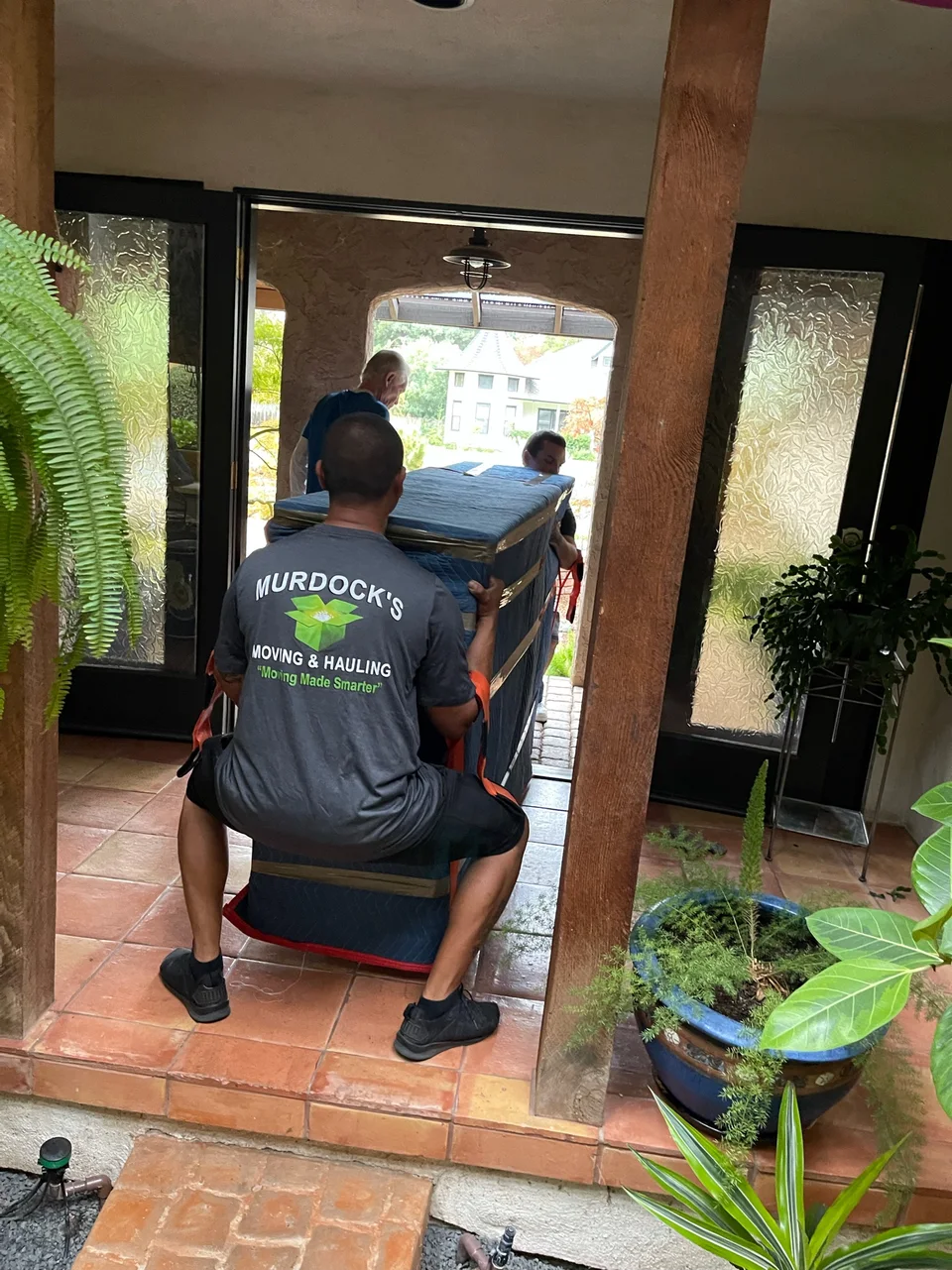
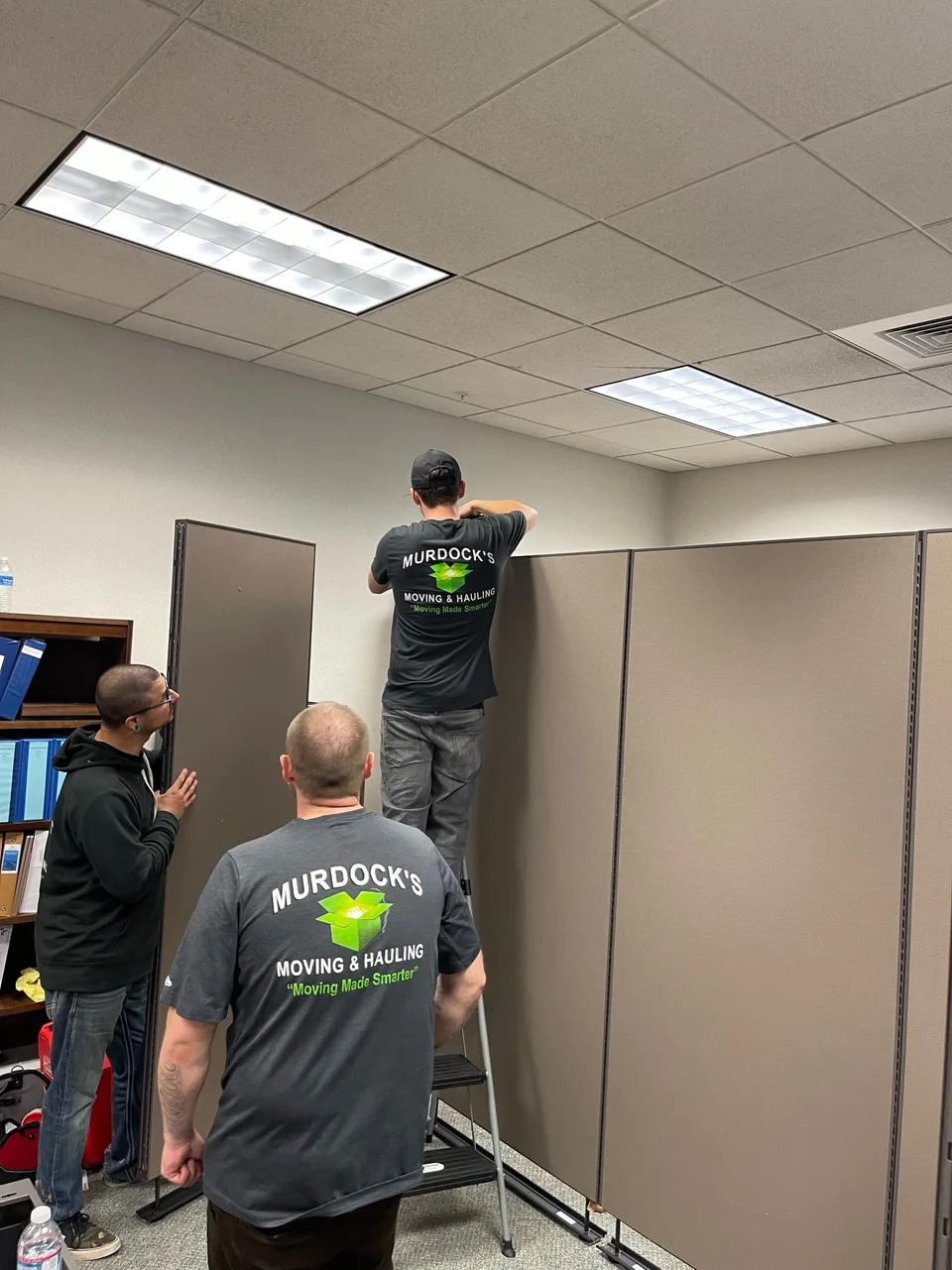
Murdock’s crew carrying a pad-wrapped piece through a tiled entrywayMurdock’s crew rebuilding cubicle panels in an office, one mover on a step ladderMurdock’s movers working the loading ramp of an open box truck

Auto Parts Store Moving FAQs

Another question? Call (530) 354-8089.

How small should our staff pack brake rotors and drums?

Small enough that one person can lift the carton without the bottom giving out. That usually means a few rotors to a small, heavy-duty carton, taped twice on the bottom, with the bin range on two sides. We load those cartons low and together, and place them next to their shelf at the new store.

Can our commercial accounts still get parts while the store moves?

Usually, if your manager leaves the busiest bins stocked at the old counter until the end. The backstock and slow aisles move first, then the rest. Tell your repair-shop customers the switchover day, and the counter bins come across last so the gap is short.

Why won't the moving truck take our batteries?

Lead-acid batteries, cores and automotive fluids are stock your company or supplier normally moves under its own procedures, because of acid, spill and return requirements. We plan around their pickup and move the empty battery racks once the stock is gone.

What if a carton loses its bin label on the truck?

It goes to a single holding spot at the new store, not onto the nearest shelf. Your staff identifies the part number and puts it where the system says. Labels on two sides and wide tape over them make this rare, which is why we ask for both.

Plan your business move

Tell us both addresses, the building rules you know about, and the dates you cannot move. We will send back a written plan and estimate.

Call (530) 354-8089

Mon–Sat 8:00 AM–6:00 PM · Sun 10:00 AM–4:00 PM

Call Nowcall530-354-8089