Commercial Service

Files and Records Moving in the Sacramento Valley

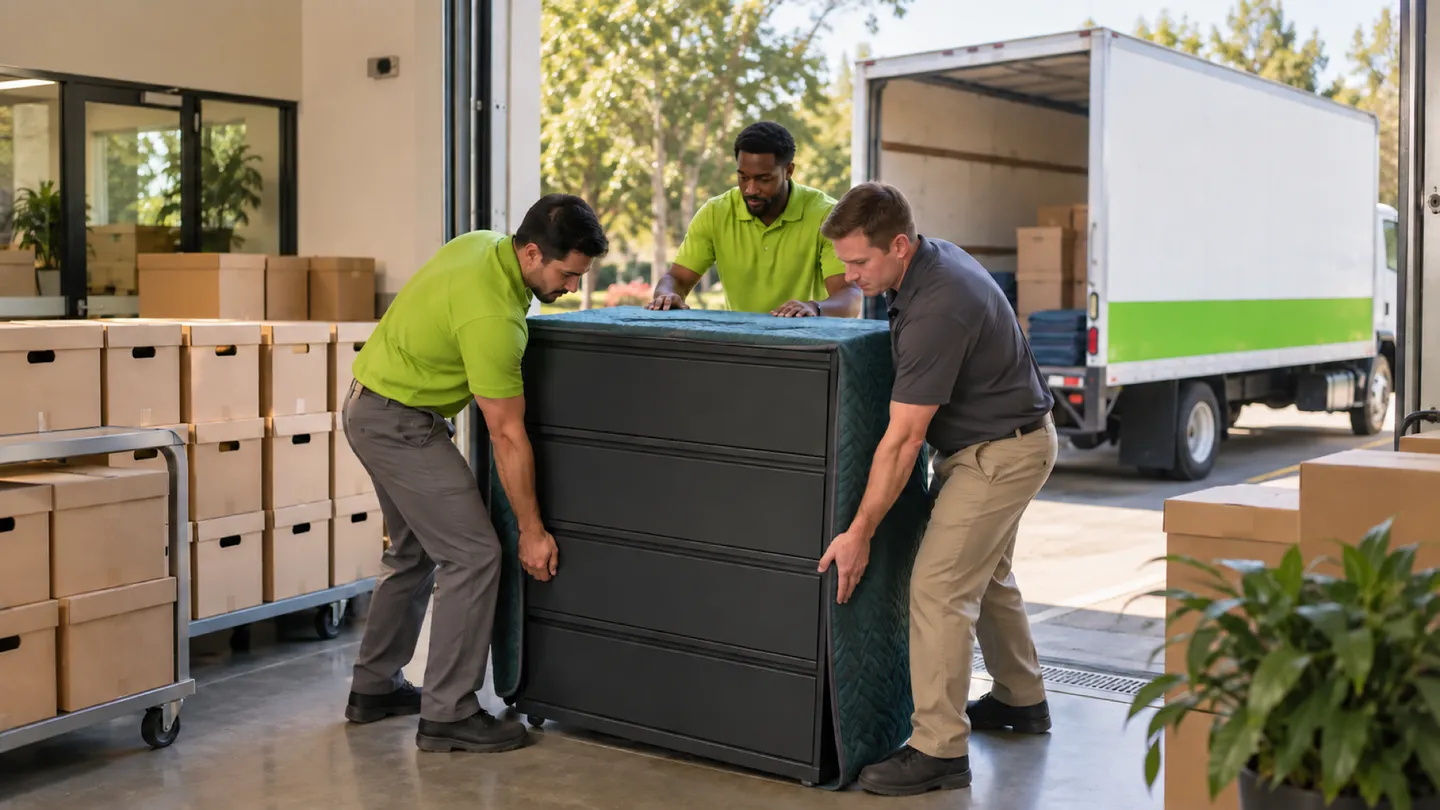
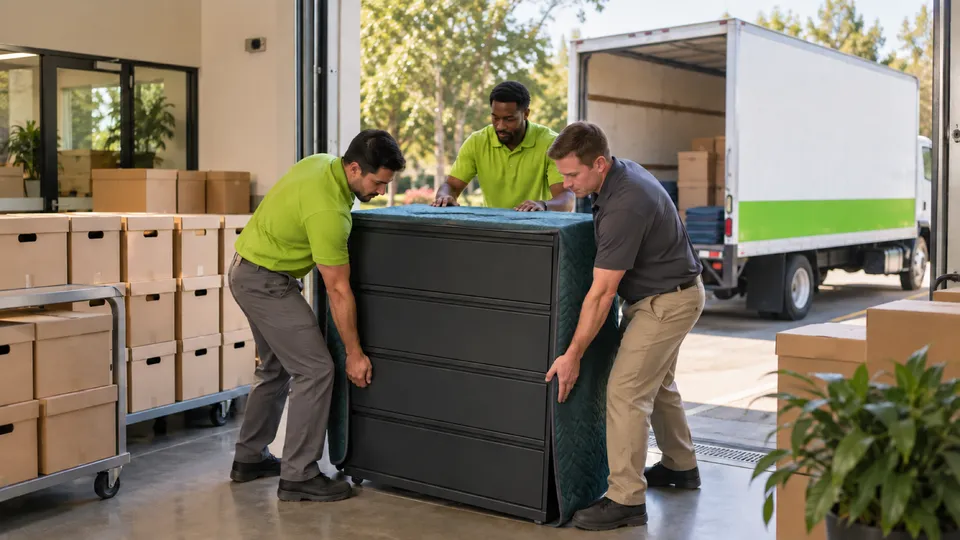
File cabinets, open shelving and archive cartons measured in linear feet, coded by run and drawer, and set back in filing order at the new office.

(530) 354-8089
Files & Records Moving moving in the Sacramento Valley: Murdock's crew at work
  • Licensed & InsuredUSDOT 3421940 · MC 1416634
  • Locally OperatedChico + Yuba City
  • Sacramento ValleyChico · Yuba City · Sacramento

Start your commercial move quote

verifiedFor estimate purposes onlycredit_card_offNo credit card required

How We Plan Files & Records Moving

This service moves paper: file cabinets, open shelving, flat files and archive cartons, kept in the order your staff filed them. It suits law and accounting offices in downtown Sacramento and Roseville, agency file rooms, clinic business offices in Chico and Yuba City, and any office where the file room is the part of the move people worry about.

Each job follows the same sequence. Your records lead first measures what is there in linear feet and marks what moves, what stays and what is destroyed. Next, we look at each cabinet and the route out and agree which cabinets travel full and which get boxed. Labels come next, by cabinet and drawer or by bay and shelf, matched to a map of the new room. On move day the crew loads in reverse receiving order, so the first run into the new room is the first off the truck. At the other end, cabinets and shelving are set to the map and cartons are placed at their runs for staff to refile.

Retention and shredding stay with you and your shred vendor. If the file room is part of a full relocation, start with office moving.

Who usually signs off
Records manager or office manager, with each department deciding what is kept, moved or destroyed
Timing that works
Archived runs are packed days ahead and active files last, and the busiest runs can go after closing or on a Saturday, on request, so staff lose little file time.

What typically moves

  • Vertical file cabinetsOften moved with files in place when the drawers lock and the route is level; otherwise boxed drawer by drawer.
  • Lateral file cabinetsWide drawers carry a lot of weight, so many laterals are emptied into cartons coded to the cabinet and drawer, then moved empty.
  • Open shelf runs of end-tab foldersBoxed left to right, shelf by shelf, with the run and sequence on each carton so color-coded tabs go back in order.
  • Flat files and map drawersDrawers are taped shut and kept level; oversized sheets never leave their drawer order.
  • Records-room shelvingFreestanding units come down by bay, with shelves, clips and uprights bundled per section.
  • Archive cartons from back rooms and closetsCounted and coded by where they sat, so boxes nobody has opened in years still land somewhere findable.

Access and scheduling

A file room weighs more than its size suggests, so the route matters more than the truck. We check stairs, thresholds, elevator capacity and whether the building lets loaded cabinets ride the freight elevator; some buildings limit loads per trip or want the cab padded and booked. Towers in downtown Sacramento and Roseville often book freight elevators by the hour, and many want our certificate of insurance in hand before confirming a booking; we send it on request.

Staff need files until the last day, so packing follows your access list. Closed and archived runs are packed first, sometimes days ahead. Active files go last, and the most-used runs can load last so they come off first at the new office. If the file room has to work through business hours, the active runs can go after hours or on a Saturday, on request.
Protection and handling

In a records move the risk is lost order, not breakage. Each carton gets a code for the run it came from and its place in that run, and cartons stay in sequence on the dolly, the truck and the new shelf. Nothing on the outside names a client or a case; the code points to your map.

Cabinets that travel full have their drawers locked or taped and ride upright on padded dollies. Emptied cabinets carry the same code as their cartons, so the two meet again in the new room. The crew does not open folders or decide where a stray file belongs; anything out of order goes to your records lead. Cartons your staff seal travel exactly as given to us and go back into the hands of whoever sealed them.

Who does what

Some of this job belongs to other trades. The written plan names each one.

Retention schedule and what gets destroyed
Your records owner decides before packing starts, and marks material for destruction so it never enters the moving load.
Shredding
Your shred vendor collects designated material on its own schedule, separately from the move.
Receiving map and refiling
Your staff approve the map and do the refiling. The crew sets cabinets, shelving and cartons to it.

Not part of our work

  • Reading, sorting or classifying records, or deciding how long they are kept.
  • Destroying records or choosing what goes to the shredder.

Around Chico, Yuba City and Sacramento

Paper-heavy offices are common across the Valley: law and accounting firms near the courthouses in downtown Sacramento, Oroville and Yuba City, agency file rooms along the Capitol Mall, and back offices in Chico, Roseville and Rocklin. Tower file rooms depend on freight elevator bookings, while a single-story office in Chico or Yuba City often has a straight carry to the back door.

The crew that shows up

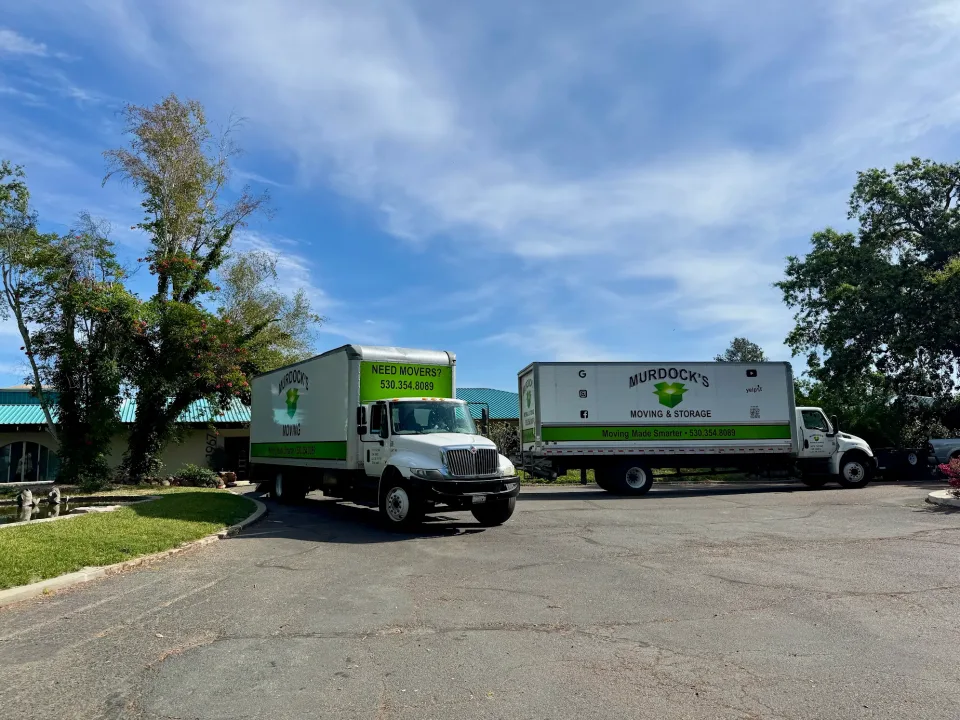
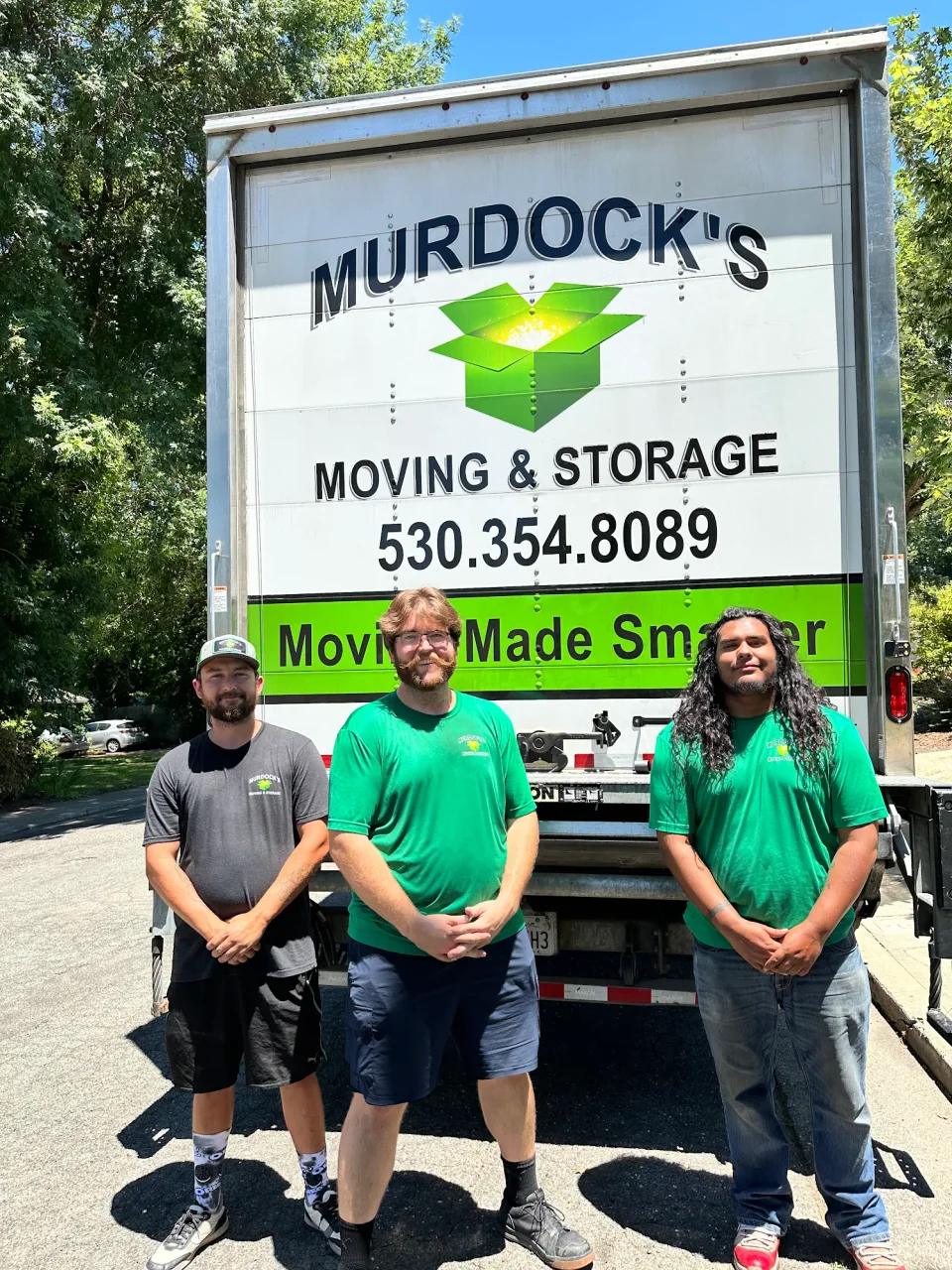
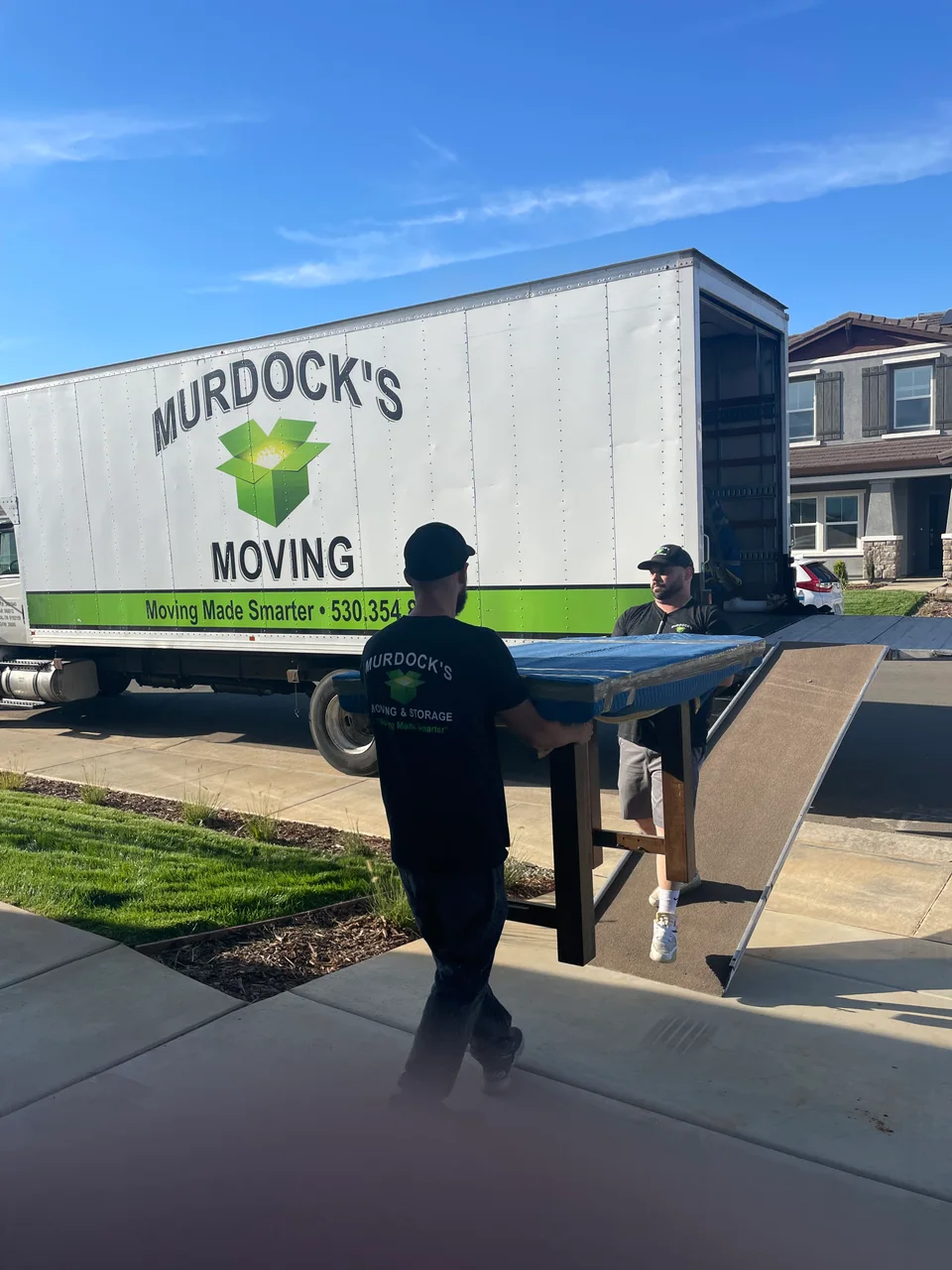
Three Murdock’s crew members at the back of the box truckTwo Murdock’s movers carrying a pad-wrapped table up the truck rampTwo Murdock’s box trucks staged outside a single-story building in the Sacramento Valley

Files & Records Moving FAQs

Another question? Call (530) 354-8089.

Which of our cabinets can travel full, and which have to be emptied?

It depends on the cabinet, what is in it and the route. A vertical cabinet with working locks on a level route can often move full. Laterals, older cabinets with loose drawers, and anything going down stairs are usually emptied. We look at each one during the walk-through and give you a list, so staff know which drawers to prepare.

How do we measure our file room in linear feet?

Measure the filled length of every shelf and drawer and add it up by room, noting which runs are active, archived or marked for destruction. A tape measure and a floor sketch are enough. That total tells us how many cartons and how much shelving the new room needs, and lets your records lead check that everything has a place before moving day.

How do boxed files end up back in the same order?

Every carton is coded with its run and its position in that run, and loaded and unloaded in that sequence. At the new room, cartons are set at the matching run in order, so staff refile left to right without sorting. Your map shows where each run goes, and the crew places cartons to it.

Should our shred vendor come before or after the move?

Before, if you can. Destroying what you no longer keep means less to pack, carry and shelve. Your records owner marks the material, the vendor collects it on its own schedule, and we plan cartons and shelving from what remains. Anything found late can be set aside at the old office for a second pickup.

Plan your business move

Tell us both addresses, the building rules you know about, and the dates you cannot move. We will send back a written plan and estimate.

Call (530) 354-8089

Mon–Sat 8:00 AM–6:00 PM · Sun 10:00 AM–4:00 PM

Call Nowcall530-354-8089