Commercial Service

Gym Equipment Moving in the Sacramento Valley

Racks, benches, free weights and unpowered cardio broken down, moved and rebuilt to the maker's manual; powered and selectorized machines go with your supplier.

(530) 354-8089
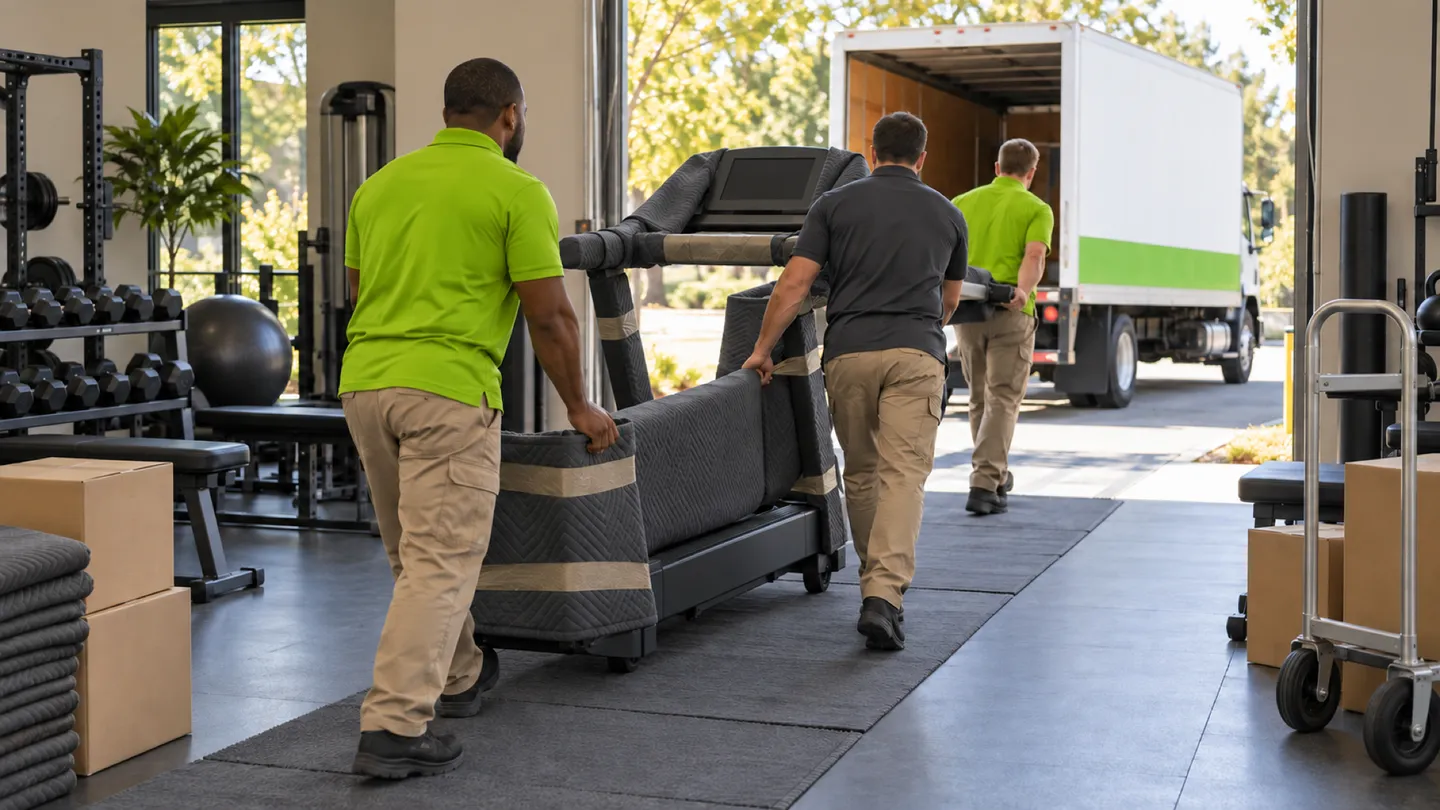
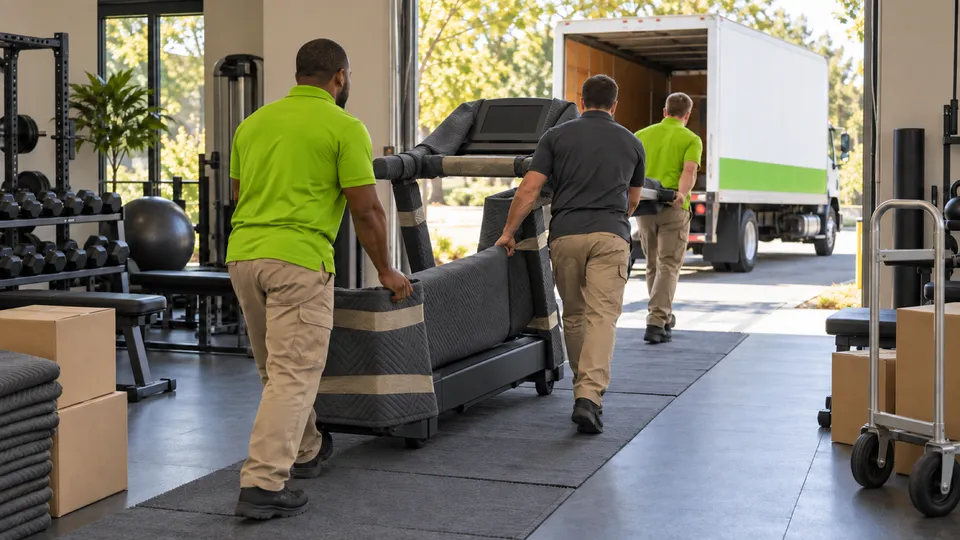
Gym Equipment Moving moving in the Sacramento Valley: Murdock's crew at work
  • Licensed & InsuredUSDOT 3421940 · MC 1416634
  • Locally OperatedChico + Yuba City
  • Sacramento ValleyChico · Yuba City · Sacramento

Start your commercial move quote

verifiedFor estimate purposes onlycredit_card_offNo credit card required

How We Plan Gym Equipment Moving

Gym equipment splits into two groups, and the split decides who moves what. The first group is iron and bolt-together steel: power racks, half racks, benches, plate trees, dumbbell racks, plates, dumbbells and kettlebells, plus unpowered cardio such as rowers, air bikes and indoor cycling bikes. Our crew moves that group. The second is powered cardio and selectorized strength machines, the ones with consoles, motors, cables and weight stacks. Treadmills, ellipticals and stack machines go with your equipment supplier or the equipment mover it names, because they need its technicians to take them down and put them back into service.

The service runs in order:

  1. You or your supplier give us a list of every piece, which group it is in, and its spot on the new floor plan.
  2. The supplier's technicians prepare and remove their machines.
  3. Our crew breaks down racks to the maker's manual, bags hardware by rack, and moves iron in small loads.
  4. We cover the new floor, bring in and rebuild racks and benches, and place free weights by zone.
  5. You walk the floor with us, and the supplier sets its machines.
Who usually signs off
Gym owner or facilities manager, with the equipment supplier and flooring contractor confirming their parts of the plan
Timing that works
Equipment leaves after the last session at the old space and goes in once the new floor is released, usually across one weekend with the supplier's technicians booked alongside.

What typically moves

  • Power racks, half racks and rigsBroken down to uprights and crossmembers, with bolts and J-hooks bagged by rack and rebuilt to the maker's manual.
  • Flat, adjustable and utility benchesMoved assembled where they fit the doors; seat pads are wrapped against tears.
  • Plates, bumper plates and plate treesMoved a few at a time on low carts, never stacked high, and re-hung by weight.
  • Dumbbells, kettlebells and their racksRacks go in first, then weights by set so each pair lands together.
  • Rowers, air bikes and indoor cycling bikesUnpowered pieces move whole or in the halves many rowers are designed to split into.
  • Rubber tiles, stall mats and platform topsRolled or stacked flat and relaid by zone once the floor is released.

Access and scheduling

Iron is heavy but compact, so the door and the floor matter more than the truck. We measure the tightest turn for rack uprights and benches, confirm a loading spot close to a door, and plan carts over the shortest route. A second-floor studio needs a freight elevator reservation and its weight limit before we plan how many plates go per trip.

The supplier's technicians set the day for their machines. We schedule our crew for the same window, so the old space is empty in one visit and the new one fills in order. If the new rubber floor was just installed, the flooring contractor tells us when it can take carts and heavy pieces.

Most owners run this across one weekend, after the last class. On a July or August move in the Valley, carrying plates across a parking lot starts at first light.
Protection and handling

Weights damage floors and door frames more than they damage themselves. Sheets of hardboard or plywood cover new rubber and finished floors along the cart path, pad door frames and elevator walls, and move plates on low, wide carts so nothing tips. Nothing gets dropped off a tailgate.

Racks are photographed assembled, and the bolts for each one are bagged, labeled and taped to one of its uprights. At the new space the crew rebuilds racks to the maker's manual with every bolt tightened and every pin in its hole, then places benches and weights by zone. Racks the manual says must be anchored stay free-standing until your installer anchors them.

We note any bent pin, cracked weld or torn pad we find before teardown and tell you that day. The supplier or your staff decides whether a piece is fit to use.

Who does what

Some of this job belongs to other trades. The written plan names each one.

Treadmills, ellipticals, powered bikes and selectorized stack machines
The supplier, or a specialist mover it chooses, prepares, moves, rebuilds and tests them.
Anchoring racks and rigs into concrete
Your installer or the supplier drills and anchors per the manufacturer's instructions.
Anything needing rigging, cranes or forklifts to clear a door or stairway
A rigging company your supplier arranges.

Not part of our work

  • Moving, servicing or testing any powered or selectorized machine.
  • Inspecting or certifying equipment as safe for use.

Around Chico, Yuba City and Sacramento

Gyms across the Valley range from garage-style strength studios in Chico and Yuba City industrial parks to large clubs in Roseville, Rocklin and Natomas, and training rooms at schools and public safety buildings. Many strength studios sit in tilt-up units with a roll-up door, which makes iron one of the easier parts of the move.

The crew that shows up

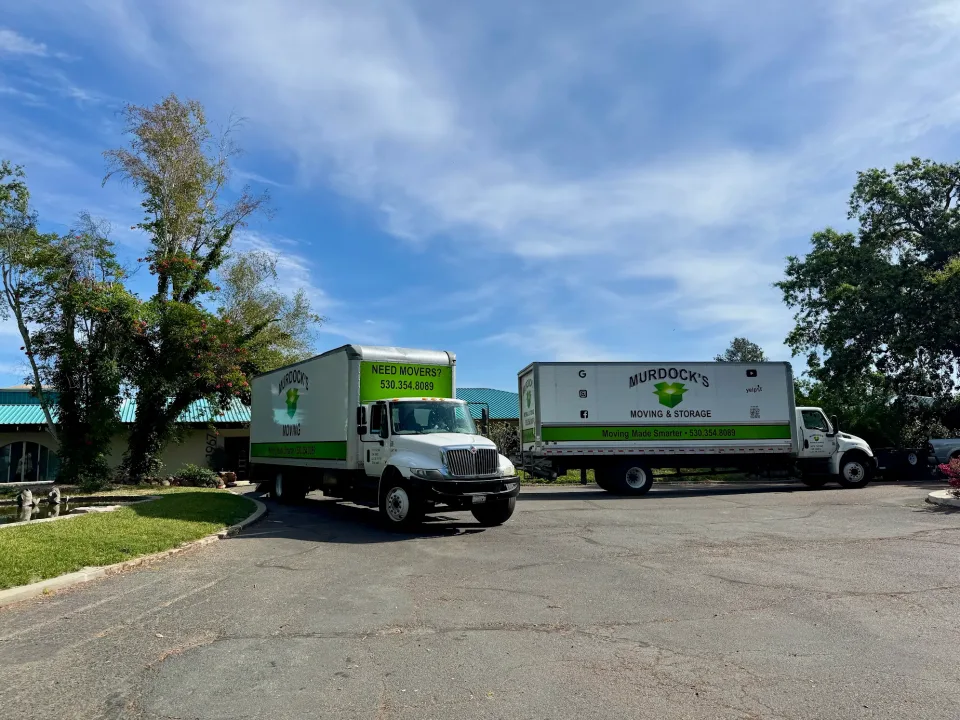
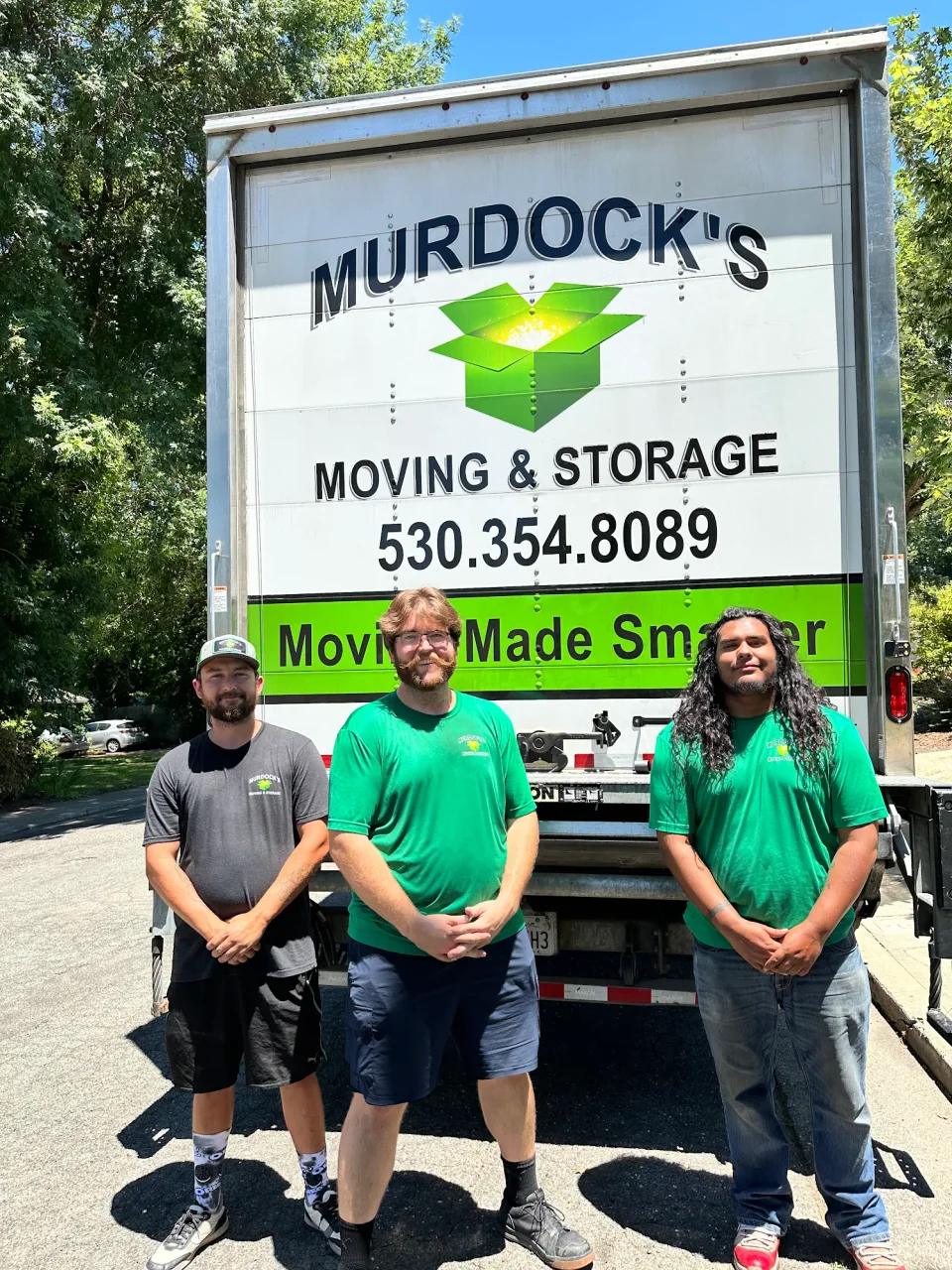
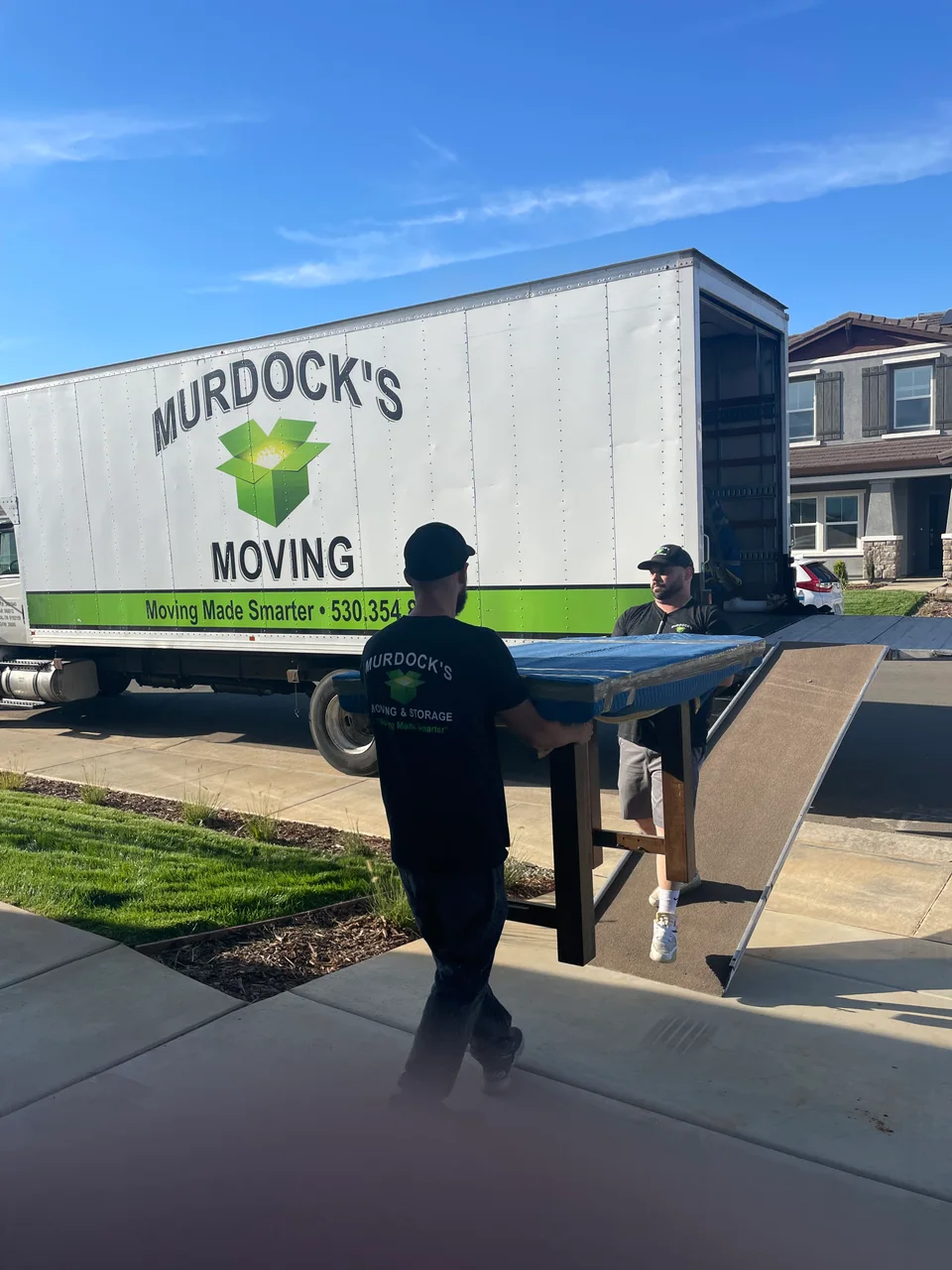
Three Murdock’s crew members at the back of the box truckTwo Murdock’s movers carrying a pad-wrapped table up the truck rampTwo Murdock’s box trucks staged outside a single-story building in the Sacramento Valley

Gym Equipment Moving FAQs

Another question? Call (530) 354-8089.

Why won't your crew move our treadmills and cable machines?

Powered cardio and selectorized machines need the supplier's technicians to take down, reassemble and test, and their weight stacks and consoles are easy to damage without the maker's procedure. Your supplier or its named equipment mover handles them, and we move everything else in the same window.

Do you rebuild our racks, or just move the parts?

We rebuild them. The crew photographs each rack before teardown, bags hardware by rack and reassembles it to the maker's manual at the new space. If the manual calls for anchoring, your installer anchors it before anyone trains on it.

How do you move a full set of plates and dumbbells without damaging the floor?

In small loads on low carts, over hardboard or plywood laid along the route. Plates are never stacked high on a cart, and dumbbell racks go in before the dumbbells so each pair goes straight onto the rack instead of onto the floor.

Our new space is upstairs. Does that change anything?

Mostly the elevator. We need the freight elevator's weight limit and a reservation, then plan how much iron goes per trip. If a piece will not fit the elevator or the stairway, that piece goes to a specialist your supplier books, as listed under who does what.

Plan your business move

Tell us both addresses, the building rules you know about, and the dates you cannot move. We will send back a written plan and estimate.

Call (530) 354-8089

Mon–Sat 8:00 AM–6:00 PM · Sun 10:00 AM–4:00 PM

Call Nowcall530-354-8089