Education, Civic & Community

Trade School Moving in Sacramento, Chico and Yuba City

Workbenches, tool chests, practice boards and theory rooms moved between cohorts, sequenced around the equipment mover who sets your shop machines.

(530) 354-8089
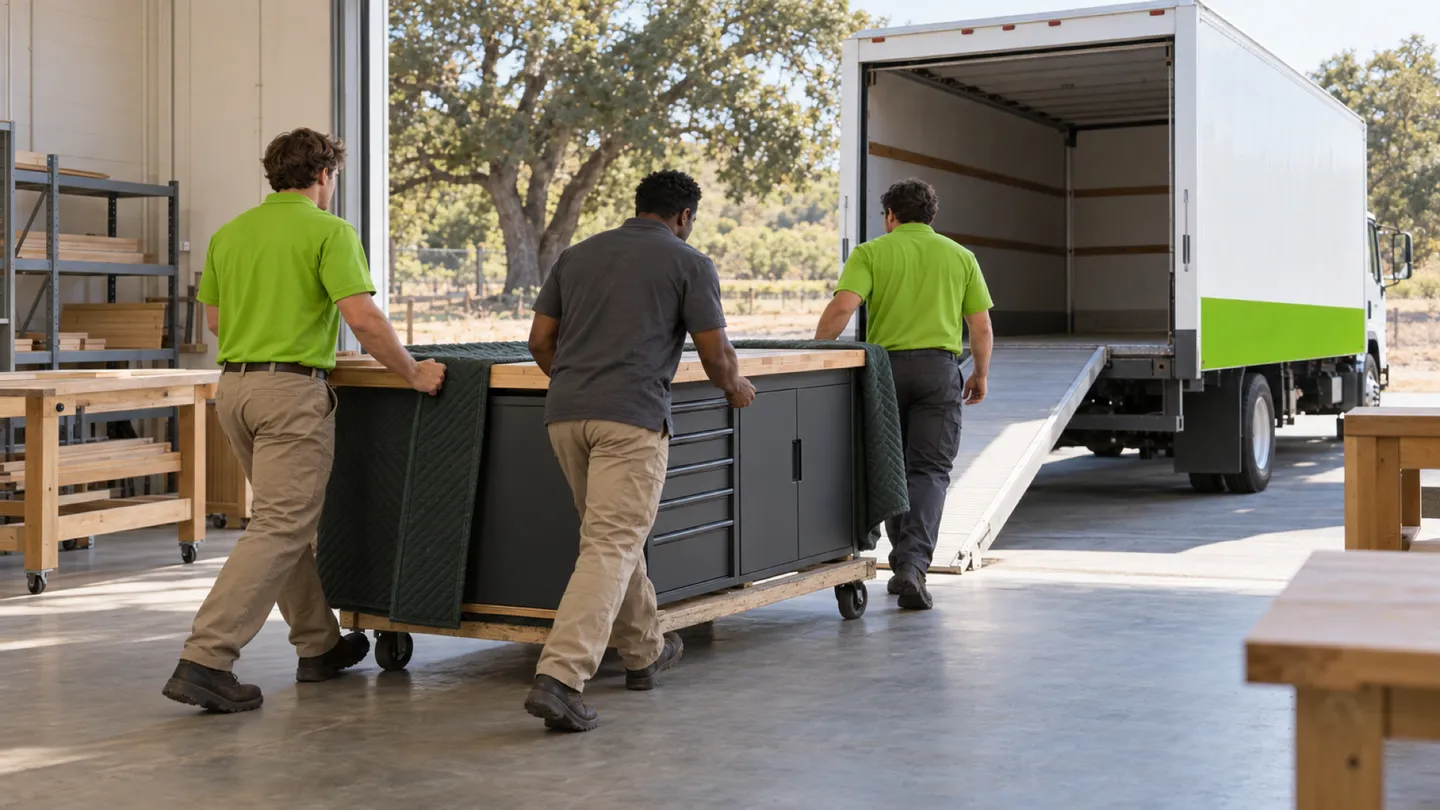
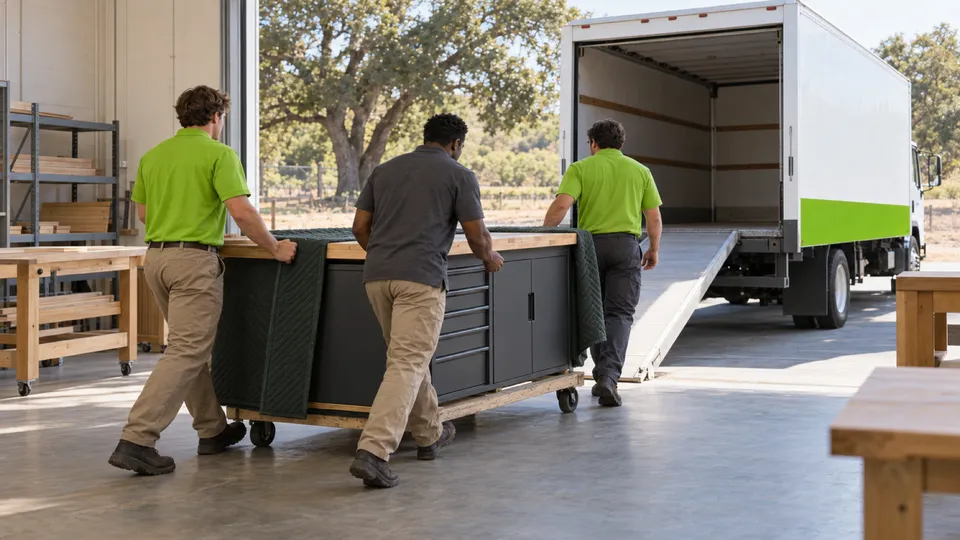
Trade School moving in the Sacramento Valley: Murdock's crew at work
  • Licensed & InsuredUSDOT 3421940 · MC 1416634
  • Locally OperatedChico + Yuba City
  • Sacramento ValleyChico · Yuba City · Sacramento

Start your trade school move quote

verifiedFor estimate purposes onlycredit_card_offNo credit card required

Planning a Trade School Move

Trade programs rarely stop for a semester break. Many run cohorts that start every few weeks, so a Sacramento, Chico or Yuba City trade school usually moves between cohorts or across a short planned pause, with the theory classrooms and admissions office open until the last day.

The shop is where the planning goes. Lathes, mills, welders, auto lifts and anything anchored to the floor belong to a heavy-equipment mover or the equipment dealer, and the school books them. Welding booths, exhaust hoods and air lines belong to the contractor fitting out the new building. Our crew handles everything around that heavy work: freestanding workbenches, rolling tool chests, practice boards, parts shelving, the tool crib once it is counted, theory-room furniture and the front office.

Tool counts matter more here than in any office. Instructors usually count the crib before it is packed and again after it is unpacked, so we box by drawer and shelf, close cartons in front of the instructor when asked, and rebuild the crib in the same layout. Student-owned tool kits normally go home with the students.

Who usually signs off
School owner or campus director approving the move, with each program instructor confirming the shop inventory
Timing that works
Between cohorts or across a short planned pause, with the machine mover's dates and the new building's final inspection setting the schedule.

What typically moves

  • Freestanding workbenches with mounted visesTops padded, vises left mounted or bagged with their bolts, and each bench tagged with its program and bay.
  • Rolling tool chests and tool-crib shelvingDrawers strapped; a chest too heavy to roll loaded travels empty with contents boxed by drawer.
  • Electrical and HVAC practice boardsCarried on edge in padded carts once the electrician has released anything wired to building power.
  • Parts bins and consumables shelvingBoxed by program and shelf so instructors can recount against their own inventory.
  • Theory-classroom tables, chairs and lecternsMoved on their own day so shop deliveries do not bury the classrooms.
  • Admissions desks and student-records cabinetsOffice staff box and close the records; the cabinets move with the office load.
  • Bench and office computersCartoned with their cables and set out at the assigned bench or desk.

Access and scheduling

Most trade schools sit in light-industrial buildings with roll-up doors, which makes loading easier than an office tower, but the shop floor is often full of half-finished student projects. We sequence the move with the equipment mover: the heavy machines usually go first so the new bays can be leveled and anchored, then benches, tool chests and shelving fill in around them. If the machines are waiting on the new building's power, the benches can arrive first and be staged along a wall.

Theory classrooms and admissions move on a separate day, or in the evening on request, so enrollment calls and tours can continue. A new building may still need its final inspection before students return, and that date sets the end of the plan. When the new landlord asks for a certificate of insurance, it is issued before the first truck arrives.
Protection and handling

Rolling tool chests are the heavy, fragile item most schools underestimate. Drawers are taped or strapped shut, loaded chests are checked for weight before they roll, and the heaviest travel empty with each drawer's contents boxed by number. Workbench tops are padded, vises stay mounted or are bagged with their bolts, and practice boards ride on edge in padded carts so their wired components are not crushed.

Parts bins and consumables are boxed by program and by shelf. Compressed-gas cylinders, fuel, oil and shop chemicals are not packed by our crew; instructors or the school's gas supplier move or exchange them. Admissions files and student records are boxed by office staff and travel on the office load. Bench and office computers are cartoned with their cables and set out at the assigned bench or desk.

Who does what

Some of this job belongs to other trades. The written plan names each one.

Lathes, mills, welders, auto lifts and other anchored machines
A machinery rigger or the equipment dealer, booked by the school, disconnects, moves, sets and anchors them, with forklifts or skates as needed.
Welding booths, exhaust hoods, compressed-air lines and shop power drops
The contractor fitting out the new building, with a licensed electrician for power.
Compressed-gas cylinders, fuel and shop chemicals
Instructors or the school's gas supplier move or exchange them.

Not part of our work

  • Disconnecting or reconnecting machine power, air lines or ventilation.
  • Counting or signing off the tool inventory; instructors do the count and the crew moves the boxes.

Around Chico, Yuba City and Sacramento

Shop space for trade programs in the Valley is often in light-industrial buildings: business parks near McClellan Park and along Business 80 around Sacramento, shop buildings along Hwy 99 near Chico and Yuba City, and flex buildings near I-80 in Roseville. Those buildings usually offer roll-up doors and truck parking, but a metal shop building gets hot on July afternoons, so heavy carrying starts early.

The crew that shows up

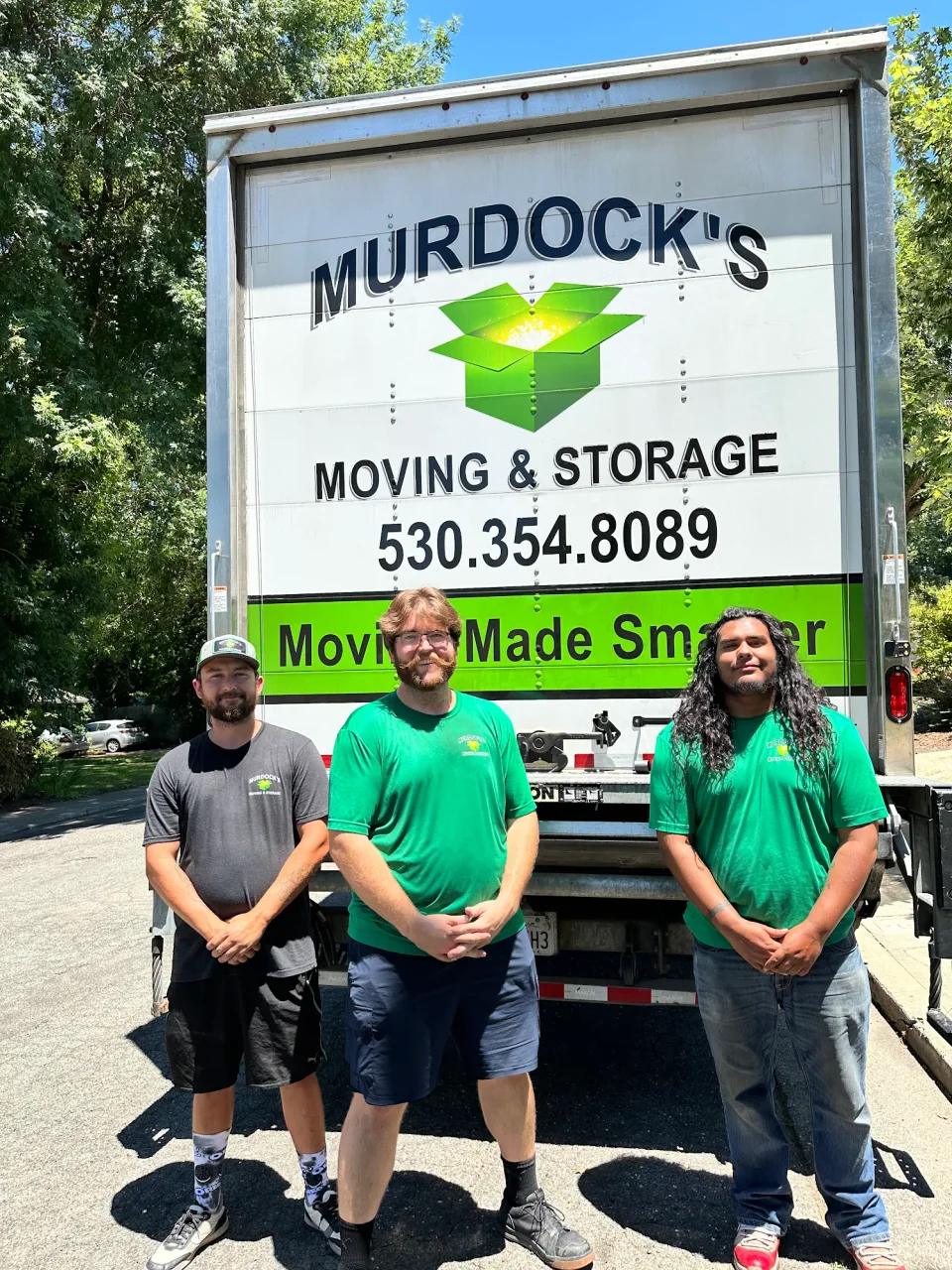
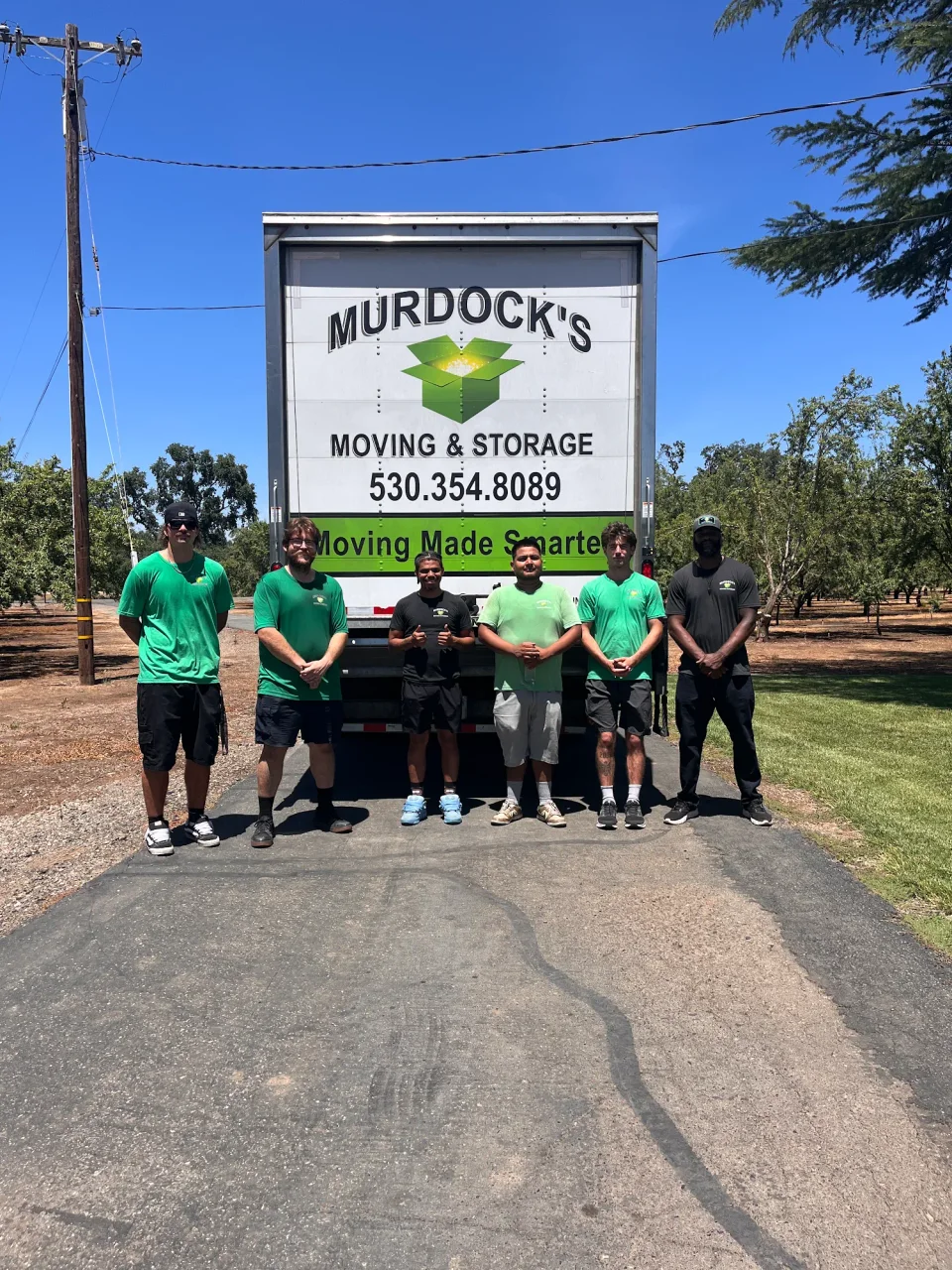
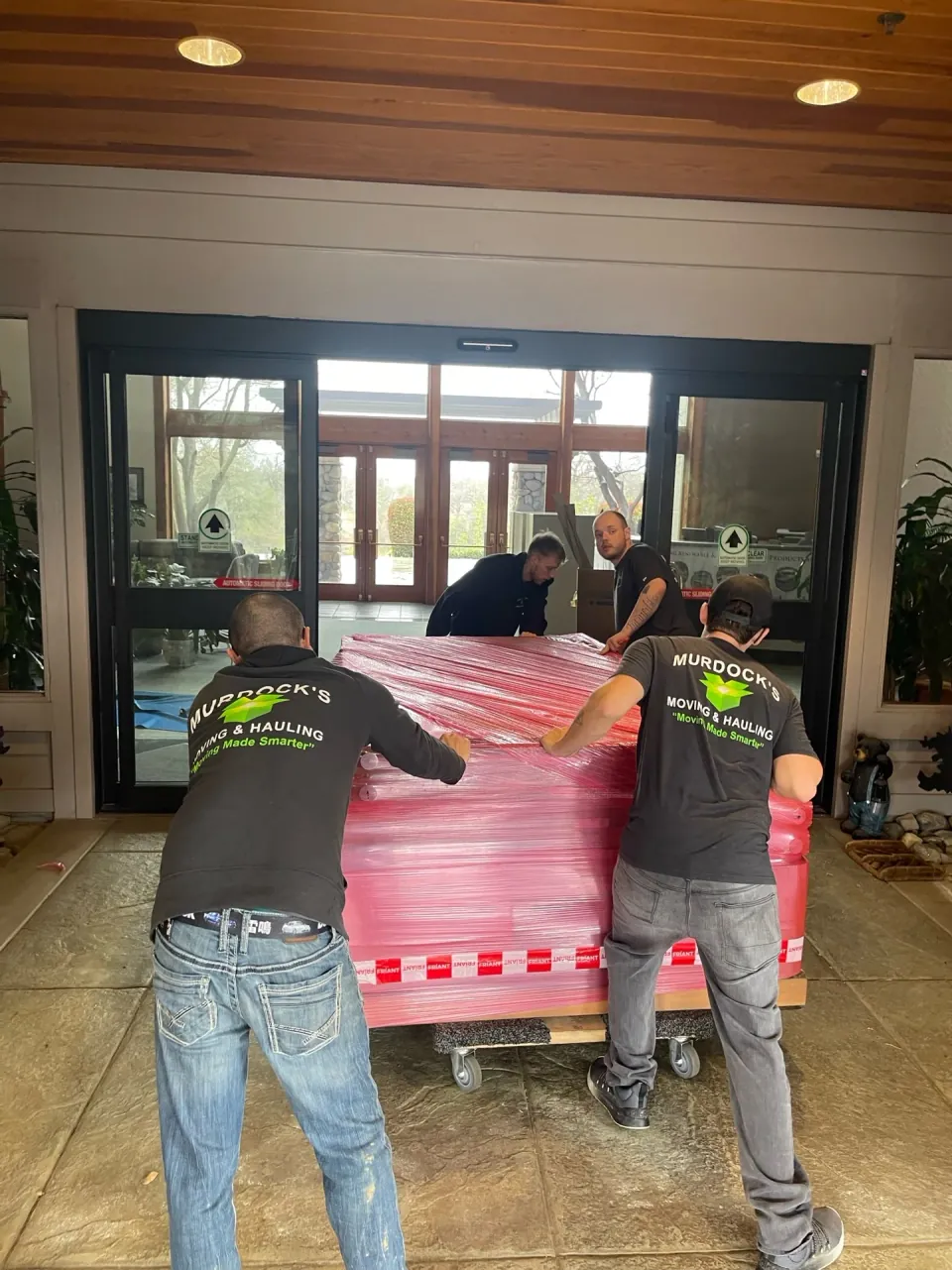
The Murdock’s crew lined up behind the truck on an orchard road in Butte CountyMurdock’s crew rolling a shrink-wrapped piece on dollies through a building lobbyThree Murdock’s crew members at the back of the box truck

Trade School Moving FAQs

Another question? Call (530) 354-8089.

Our cohorts start every few weeks. How do we fit a move between them?

We work backward from the next cohort's first day. Theory rooms and the office can go in the evening or on a Saturday if you ask, while the shop move is set around the equipment mover's dates. If a cohort has to finish in the old building, the benches and chests it uses move last.

Which goes first in the new shop, the heavy machines or the workbenches?

Usually the machines. Once they are set, leveled and anchored in the new bays, the benches, tool chests and shelving go in around them without blocking the equipment mover's path. If power in the new building is late, the benches can arrive first and wait along a wall.

Can you keep our tool crib count intact through the move?

We pack the crib by drawer and shelf, number every carton, and close them in front of the instructor if the school wants that. The instructor counts before we pack and after we unpack; our crew moves the boxes and rebuilds the crib shelving in the same layout, so the recount goes quickly.

Do students' own tool kits go on the truck?

Usually not. Student kits are personal property, so most schools send them home or have students bring them to the new site. If the school prefers to move them, each kit needs the student's name and a simple list, and we carry them as a separate load.

Plan your business move

Tell us both addresses, the building rules you know about, and the dates you cannot move. We will send back a written plan and estimate.

Call (530) 354-8089

Mon–Sat 8:00 AM–6:00 PM · Sun 10:00 AM–4:00 PM

Call Nowcall530-354-8089