Retail, Restaurant & Hospitality

Winery Tasting Room Moving in the Sacramento Valley

Move the guest-facing room around your winery calendar, with wine stock under the licensee and production equipment with its installer.

(530) 354-8089
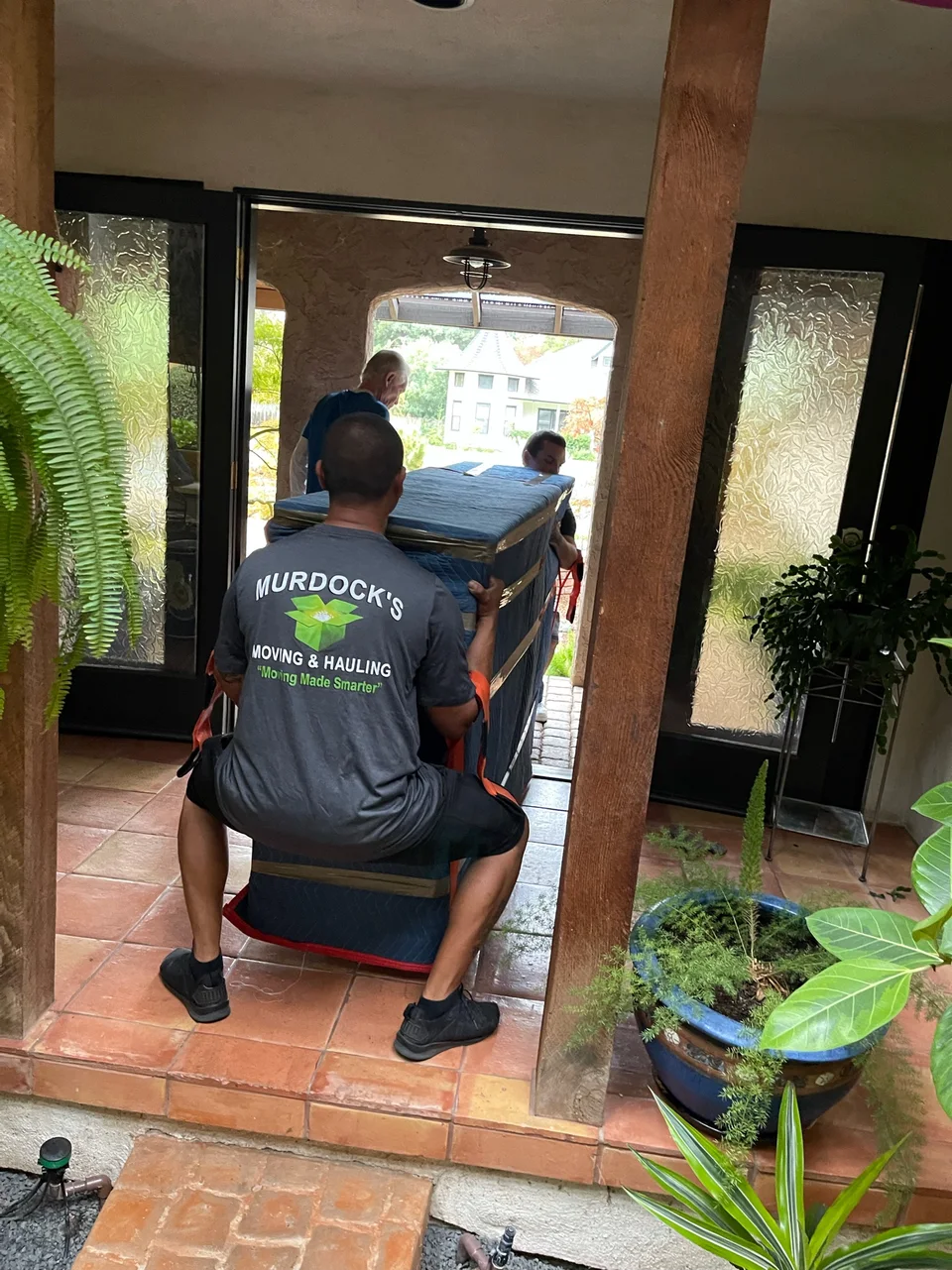
Winery Tasting Room moving in the Sacramento Valley: Murdock's crew at work
  • Licensed & InsuredUSDOT 3421940 · MC 1416634
  • Locally OperatedChico + Yuba City
  • Sacramento ValleyChico · Yuba City · Sacramento

Start your winery tasting room move quote

verifiedFor estimate purposes onlycredit_card_offNo credit card required

Planning a Winery Tasting Room Move

Every winery in the Valley and the foothills has the same blackout: harvest and crush, roughly August through October, when the crush pad, the yard equipment, the picking bins and every staff member are spoken for. A tasting room that moves, expands or gets refitted does it on either side of that, and ideally not in July either, when anything left in a truck bakes.

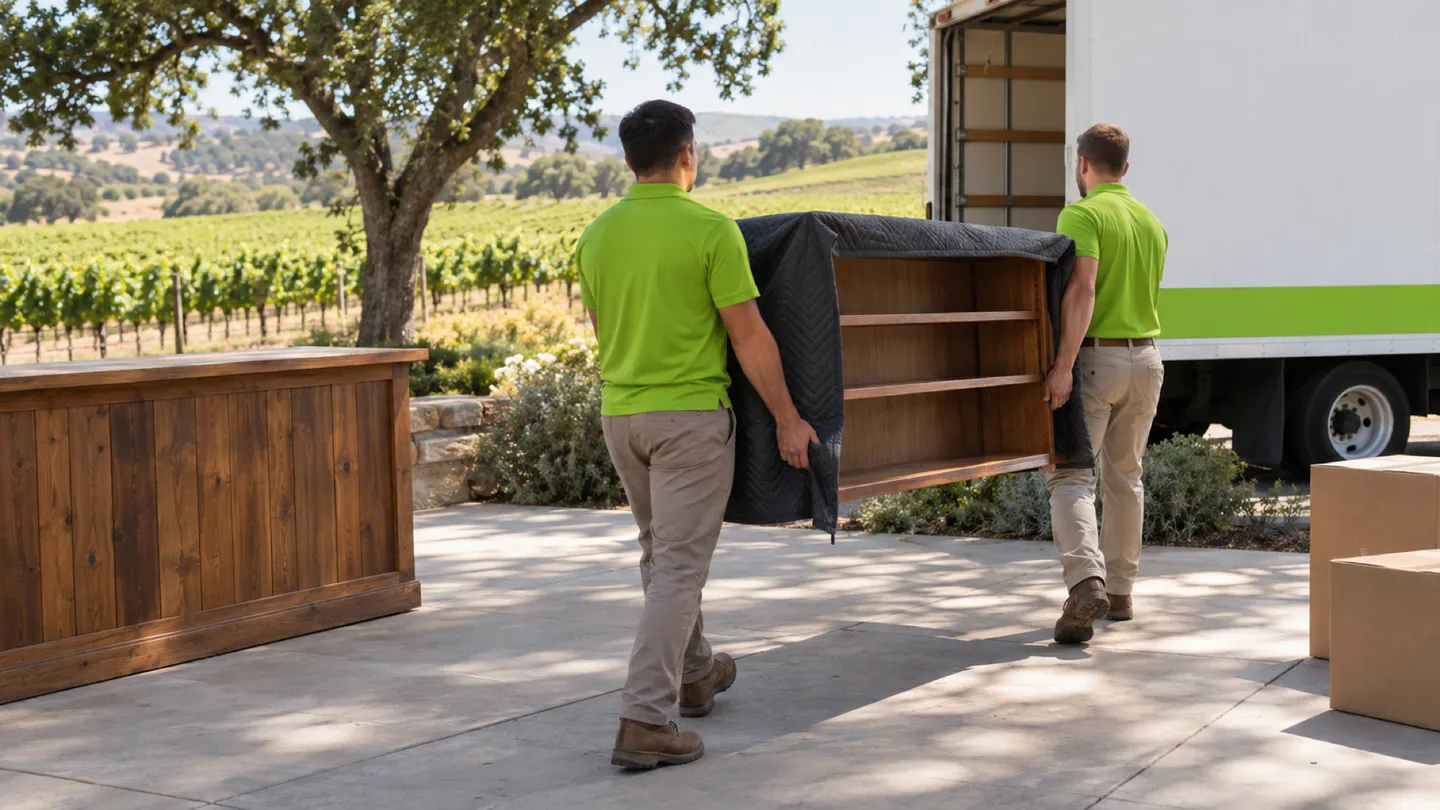
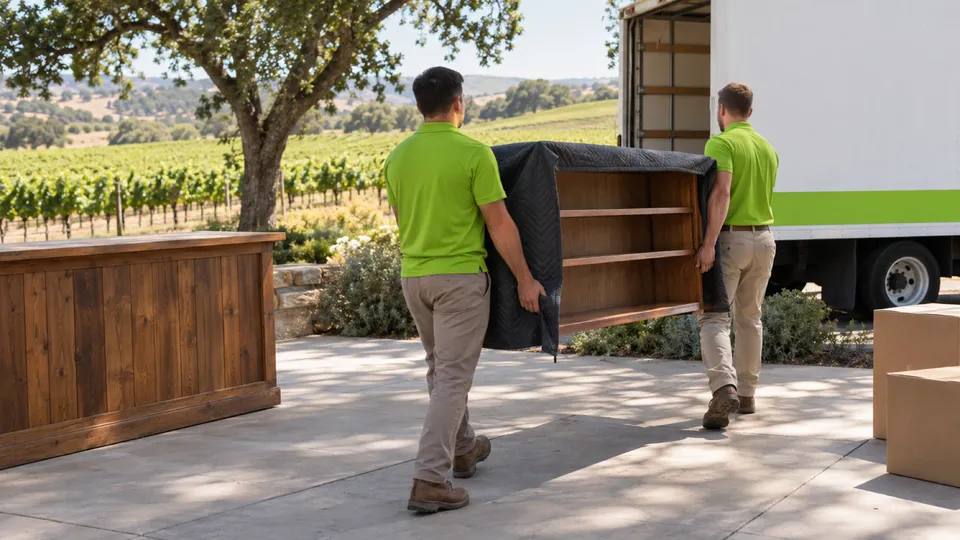
What our crew handles is the room guests see. The tasting bar, if it is a freestanding bar rather than built-in millwork. Bottle display shelving and wine walls that stand on their own. Merchandise tables and apparel racks, the lounge furniture, barrel tables and patio sets, and the folding tables and chairs that come out for club pickup parties and weddings. Glassware, spit buckets and tasting-sheet stands go in labeled cartons by station.

The wine itself never rides with us. Cased and bottled inventory moves under the winery's ABC license, with its own count and its own vehicle. Tanks, pumps, barrels on racks and the bottling line stay with the production crew and their installers.

Who usually signs off
Winery owner or tasting-room manager, with the ABC licensee and production installer approving their separate work
Timing that works
Not August through October: harvest and crush own the property, the staff and the driveway. Late winter and spring, between club releases and before the summer heat, is the usual window.

What typically moves

  • Freestanding tasting bar sections and host podiumOnly units that stand free. Built-in bars and wine walls stay with the carpenter or millwork shop that built them.
  • Bottle display shelving and wine-wall racksMoved empty, with each shelf numbered, so the display goes back up in the same order.
  • Merchandise tables, gift displays and apparel racksMerchandise is packed by table; apparel stays on hangers in wardrobe cartons.
  • Barrel tables, lounge chairs and patio seatingBarrel tables are heavier than they look and are rolled on a dolly, never tipped on the hoop.
  • Event tables and folding chairs for club pickupsCounted, bundled and loaded as a set so the first event at the new room has a full inventory.
  • Glassware racks, spit buckets and tasting-sheet standsStemware in divided cartons, one style per carton, marked for the bar station it serves.
  • Tasting-room office desk, POS stand and filesThe point-of-sale terminal and card reader are unplugged and packed with your staff; your POS provider reconnects the account.

Access and scheduling

Winery access is its own problem. Many foothill properties have a long gravel or dirt drive, a gate, a low bridge or a tight turn at the parking lot, and a truck that fits a downtown street may not fit a vineyard lane. We ask for photos of the approach or drive it before the day, and on a narrow site we can shuttle with a smaller truck.

Timing is set by your calendar, not ours. Tell us the last tasting weekend, any club release or event on the books, and when the new room will be ready. We usually load the day after the last public tasting. If the room closes only midweek, ask us about a Saturday or Sunday load instead. In spring we still start early, because an afternoon carry across an exposed parking lot gets hot quickly.
Protection and handling

Tasting-room furniture is often custom: live-edge bar tops, reclaimed barrel staves, iron shelving. Each piece is padded on all faces and strapped upright, and a slab bar top that lifts free is carried on its edge by enough people that it never flexes across its length. Wine-wall racks are marked shelf by shelf before they come apart, with a photo of the wall so the display can be rebuilt without guesswork.

Nothing in our load holds wine. Your staff clears the displays, and the licensee boxes and counts every bottle before we arrive, including sample and open bottles behind the bar. Glassware is packed by your team or ours, one style to a carton. Candles, chocolate, olive oil and anything else that can melt or spoil in a hot truck ride with your staff.

Who does what

Some of this job belongs to other trades. The written plan names each one.

Cased and bottled wine, library and club inventory
The ABC licensee counts, controls and transports all wine under its license, in its own vehicle or with a licensed carrier.
Tanks, pumps, barrel racks and the bottling line
Your production crew and equipment installer, using their own forklifts, riggers and trades for any move or connection.
Built-in bars, wine walls and back-bar millwork
The millwork shop or contractor that built them removes or reinstalls them; our crew moves what they release.

Not part of our work

  • Any wine or alcohol, including samples and open bottles.
  • Production equipment: tanks, pumps, barrels, bottling and crush equipment.
  • Moves during harvest and crush unless the winery sets the date and keeps the crush area clear.

Around Chico, Yuba City and Sacramento

Tasting rooms here sit on very different sites: vineyard properties in the Placer County foothills around Auburn and Loomis and on toward El Dorado Hills, farm properties outside Chico and Oroville, and storefront tasting rooms in downtown Sacramento, Roseville and Chico. The drive, the gate and the parking lot decide the truck more than the address does.

The crew that shows up

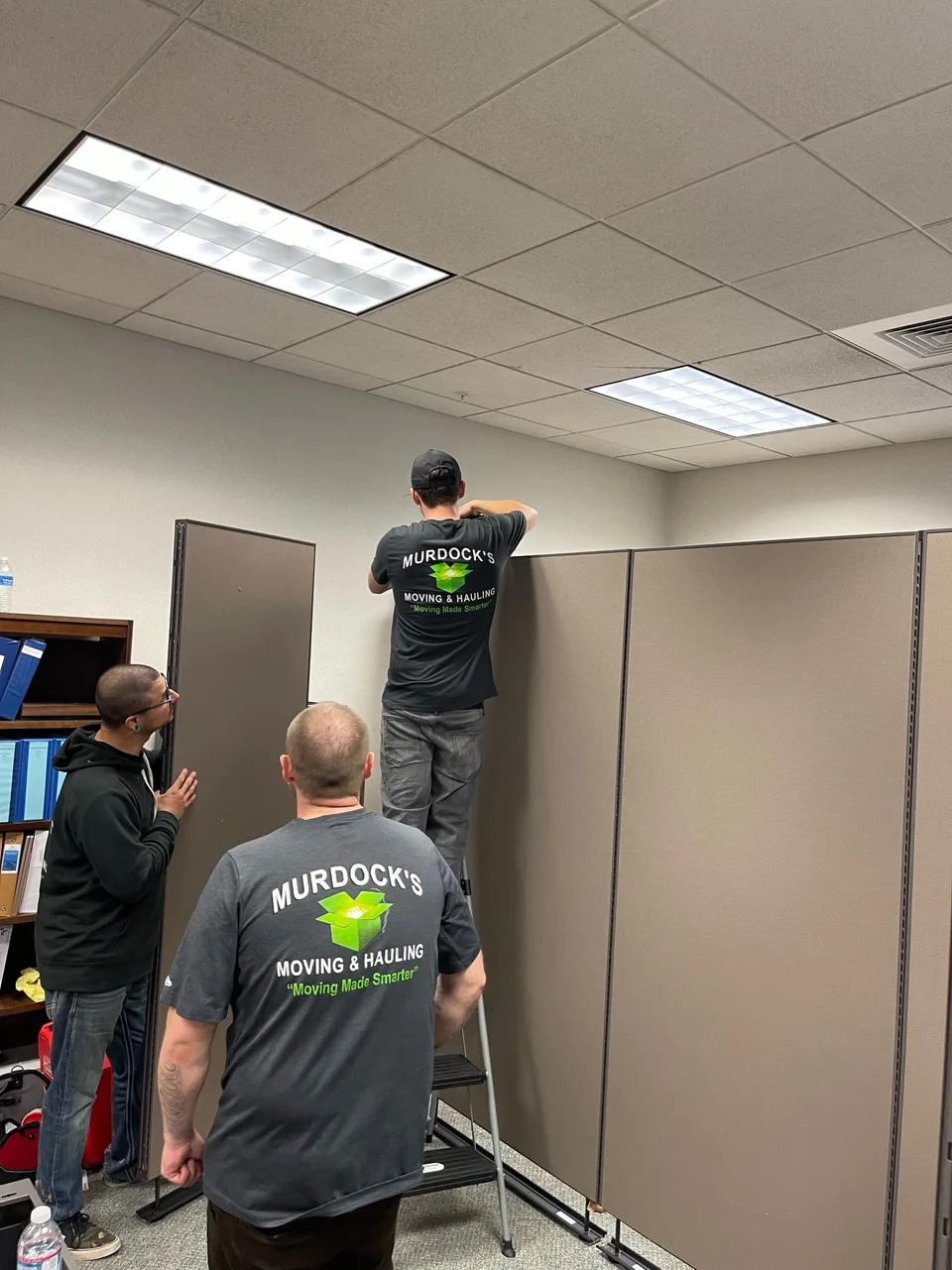
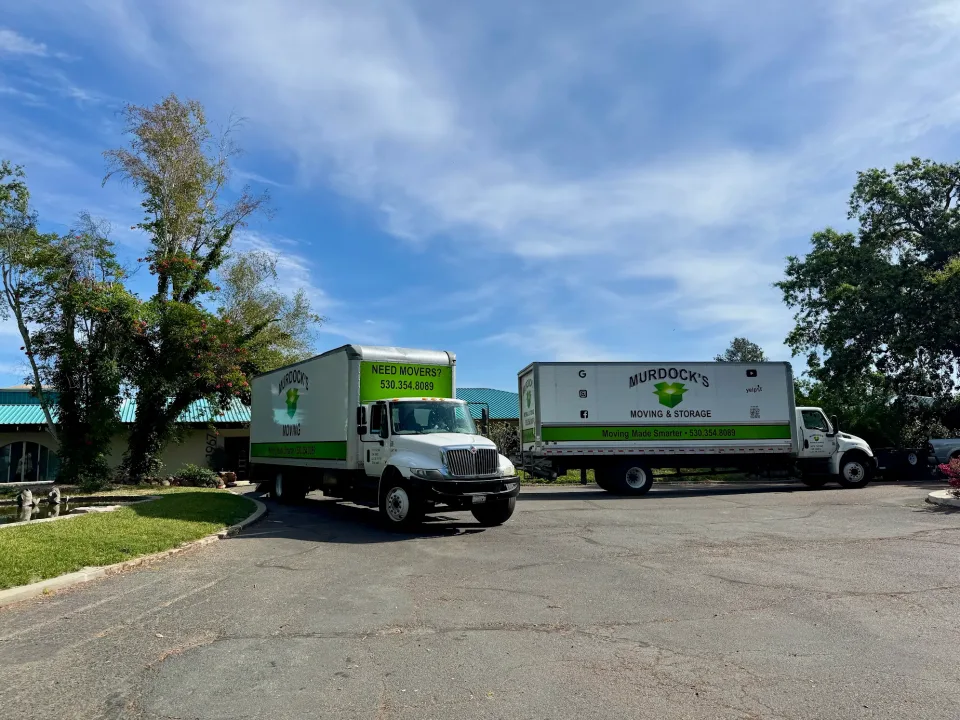
Two Murdock’s box trucks staged outside a single-story building in the Sacramento ValleyMurdock’s crew carrying a pad-wrapped piece through a tiled entrywayMurdock’s crew rebuilding cubicle panels in an office, one mover on a step ladder

Winery Tasting Room Moving FAQs

Another question? Call (530) 354-8089.

The tasting room is quiet in September. Can we move it then?

We would steer you away from it. The room may be quiet, but the driveway, the staff and the yard equipment are tied up with crush, and a moving truck in the middle of bin deliveries helps no one. Late winter or spring, after a club release, usually gives both the tasting team and production a clear week.

Can the display wine stay on the shelves while you move the racks?

No. The licensee boxes and counts every bottle, including the display and open bottles, before we touch a rack. That keeps the ABC count clean and keeps glass out of our load. Empty racks are lighter, safer to carry and quicker to rebuild at the new room.

Our driveway is a mile of gravel with a narrow bridge. Will your truck make it?

Send photos or a pin and we check before the day. If a full-size box truck cannot make the turn or the bridge, we can shuttle with a smaller truck from a staging spot at the road. It adds some time, but it beats a stuck truck or a cracked bridge deck.

We are adding an event barn to the tasting room. Can you move the event furniture?

Yes. Folding tables, chairs, barrel tables and lounge sets move as a counted set from wherever they are stored now to the new barn. We mark each group by use, club pickup, wedding or tasting overflow, so your events staff can set the first party without recounting.

Plan your business move

Tell us both addresses, the building rules you know about, and the dates you cannot move. We will send back a written plan and estimate.

Call (530) 354-8089

Mon–Sat 8:00 AM–6:00 PM · Sun 10:00 AM–4:00 PM

Call Nowcall530-354-8089