
Property, Institutional & Government

Condo & HOA Office Moving in the Sacramento Valley

A small office full of association records, moved after the board approves it and on the building's own move-in rules.

(530) 354-8089
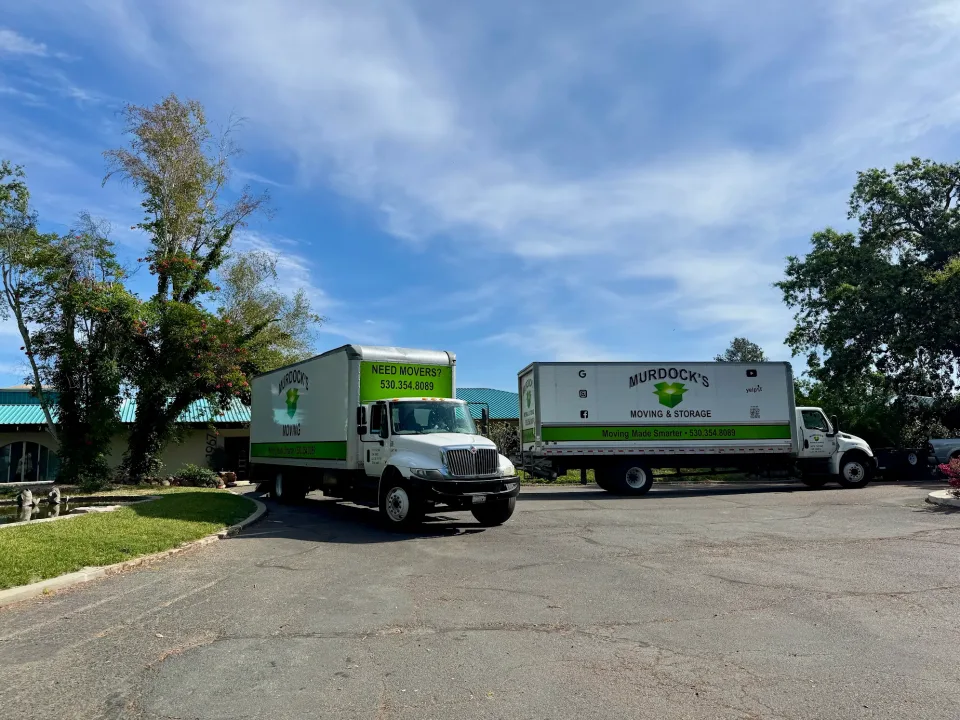
Condo & HOA Office moving in the Sacramento Valley: Murdock's crew at work
  • Licensed & InsuredUSDOT 3421940 · MC 1416634
  • Locally OperatedChico + Yuba City
  • Sacramento ValleyChico · Yuba City · Sacramento

Start your condo & hoa office move quote

verifiedFor estimate purposes onlycredit_card_offNo credit card required

Planning a Condo & HOA Office Move

A homeowners association office is small, but it holds records that matter to every owner: governing documents, minutes, budgets, architectural approvals, insurance files and years of correspondence. Owners can ask to inspect many of those records, so the manager wants them boxed in order and back on shelves quickly. Most of the job is paper, a couple of desks and a board table.

It takes two approvals. The board authorizes the move and the spend, usually by vote at a board meeting. Then the building or community rules decide how the crew gets in. A condominium building in midtown Sacramento may require elevator pads, a reserved hour and a certificate of insurance before the truck arrives. A planned community in Roseville, Lincoln or Chico may keep its office in a clubhouse next to the pool, with residents walking past all day.

We work with whoever the board names, usually the community manager, and follow the association's move-in rules just as a resident would. See office moving for the general approach.

Who usually signs off
HOA board or authorized association manager approving the move scope, with the on-site contact setting access
Timing that works
After the board approves the move at a meeting and before the next one, with the date cleared against the building's move-in rules and quiet hours.

What typically moves

  • Governing documents, minutes and budget bindersBoxed by the manager in shelf order and labeled by year, so records owners ask to see can be found on the first day.
  • Architectural review files and plan setsRolled drawings travel in tubes and flat sets between boards, each labeled by lot or unit.
  • Locked owner-account and violation filesStay locked and move as whole cabinets; the manager holds the keys.
  • Board table, chairs and meeting easelSet up first if a meeting is close, so the board can meet before the files are unpacked.
  • Mailroom and amenity-key cabinetsEmptied by staff first; pool keys and fobs stay in the manager's hands.
  • Manager and assistant desks with their computersComputers and monitors go back at the same desk; the management software and phone line are for your IT contact to restore.

Access and scheduling

An association office moving within its own building follows the same move rules it enforces on residents. In a condominium building that usually means a reserved service elevator, pads on the cab walls, a set loading window and, in many buildings, an insurance certificate listing the association and its manager. We ask for the written rules and send the certificate before the date is confirmed.

In planned communities the office tends to sit in a clubhouse, and the challenge is people rather than elevators: residents at the pool, a fitness room next door, a gate that needs a code. The manager arranges gate access and posts a notice. We keep the carry path short and away from the pool deck, and an evening move is possible on request.
Protection and handling

Records are the part of this move that cannot be replaced. They go into small, sturdy cartons that do not bow when stacked, lids taped, shelf or drawer written on two sides. They stay on carts rather than in a lobby pile, ride together on the truck, and come off first. Plan sets stay flat.

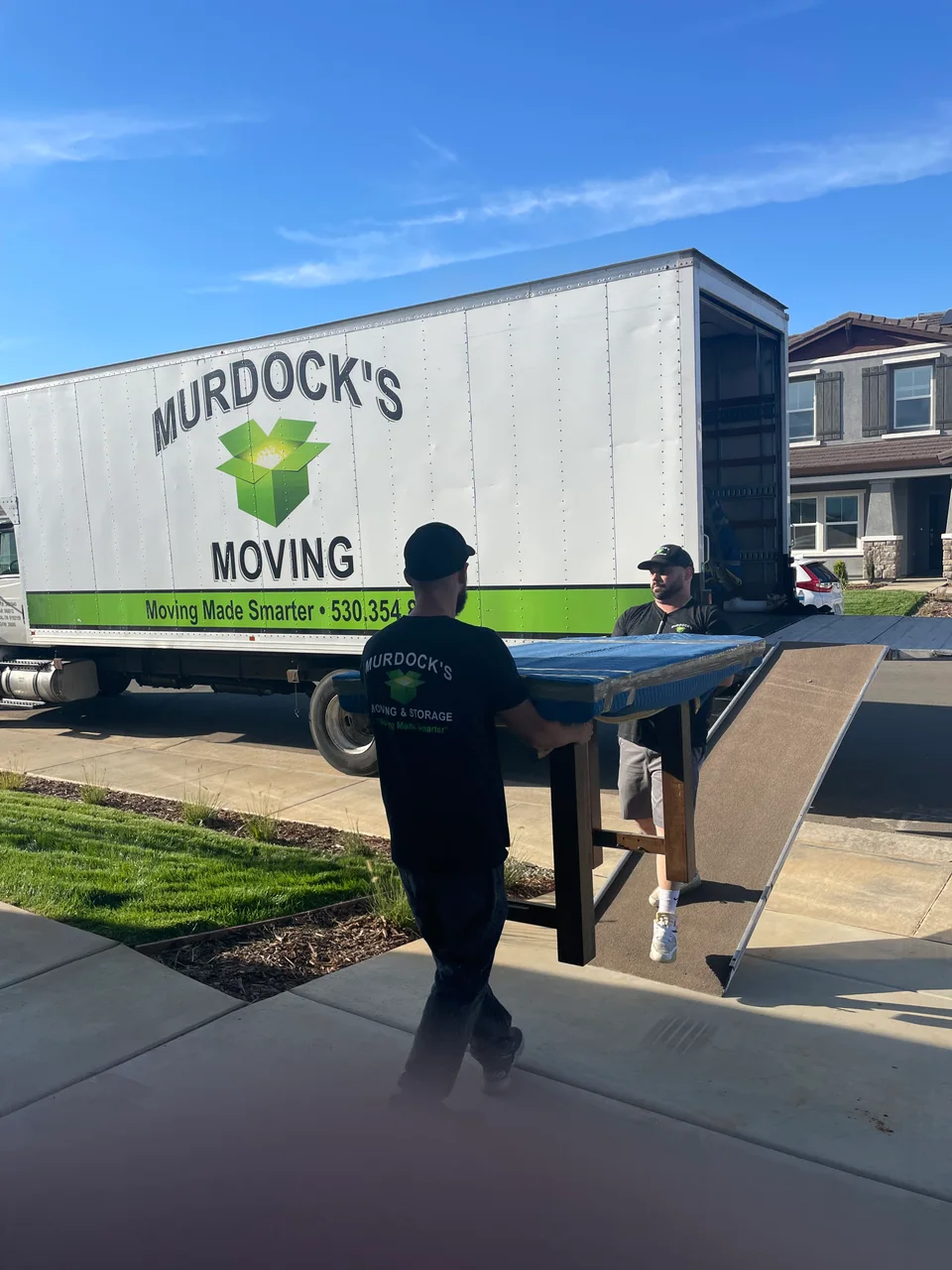
Common areas get what a resident's move would: runners on lobby floors, pads on elevator walls and corner guards at clubhouse doors. The board table's top and base are wrapped apart. At the new office, desks and cabinets go to the manager's sketch and each record carton lands against the shelf it belongs on, so staff can restore the filing order without searching through every box.

Who does what

Some of this job belongs to other trades. The written plan names each one.

Which records to keep, archive or destroy
The board decides under its records policy, on the manager's advice. We move the boxes the manager has packed and labeled.
Gate codes, fobs, resident notices and elevator bookings
The community manager arranges them, and the crew follows the approved route and times.
Management software, email and the association phone line
Your IT contact or the management company's systems team moves them.

Not part of our work

  • Reading, sorting or purging association records.
  • Carrying keys, fobs or assessment checks, which staff keep.
  • Moving any owner's or resident's household goods.

Around Chico, Yuba City and Sacramento

Association offices here vary widely. Condominium buildings in midtown and downtown Sacramento book elevators through their own rules. Planned communities in Roseville, Rocklin, Lincoln and Elk Grove often keep the office in a clubhouse. In Chico and Yuba City, a self-managed association may have no office until it hires a manager, and its records may arrive from a board member's garage.

The crew that shows up

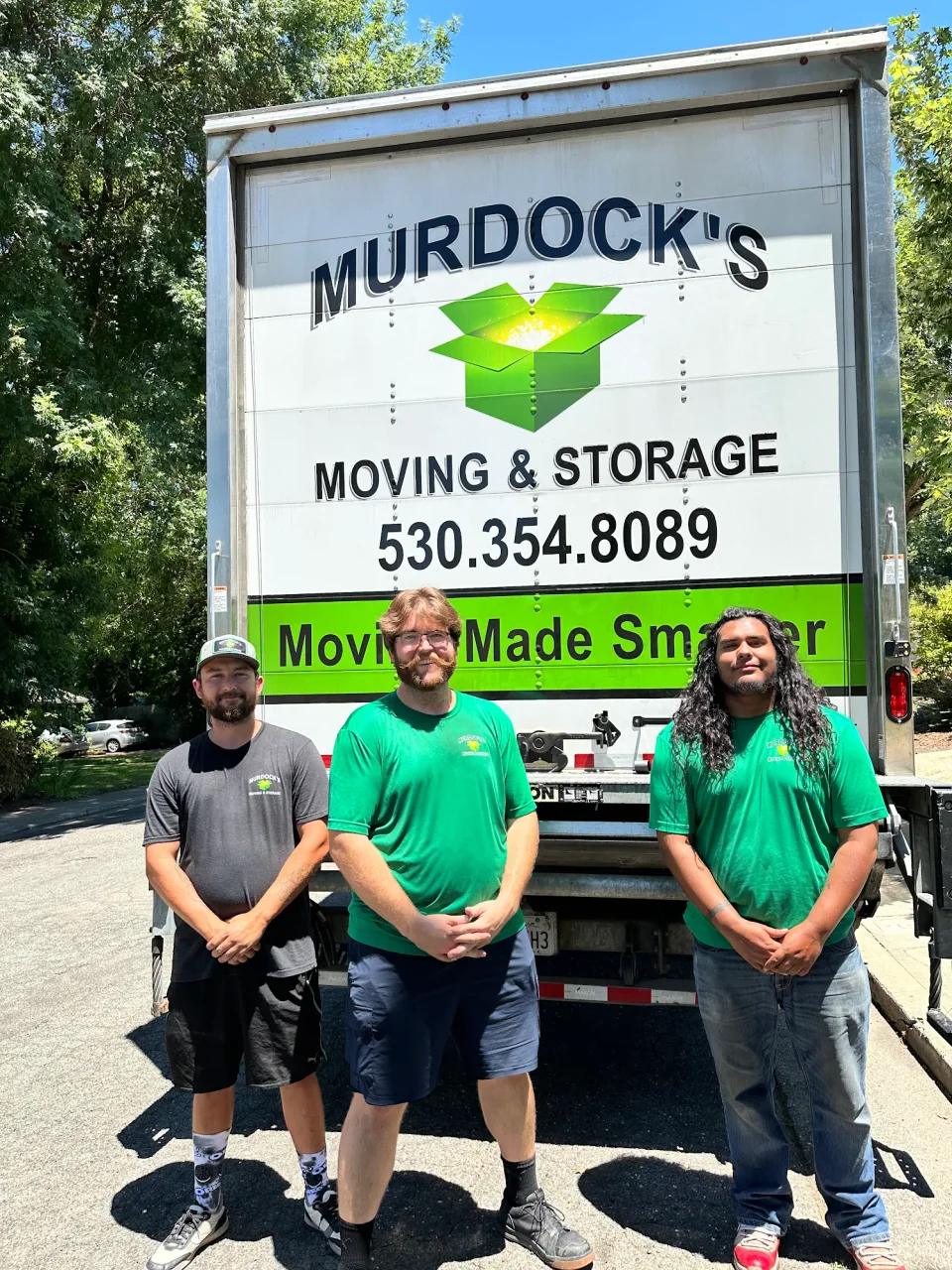
Three Murdock’s crew members at the back of the box truckTwo Murdock’s movers carrying a pad-wrapped table up the truck rampTwo Murdock’s box trucks staged outside a single-story building in the Sacramento Valley

Condo & HOA Office Moving FAQs

Another question? Call (530) 354-8089.

Does the HOA board have to vote before we book the office move?

That depends on your governing documents and the size of the spend, and your manager will know. Many associations approve the move and its budget at a regular board meeting. We can walk the office beforehand and give the manager what the board needs, then book the date once the approval is recorded.

An owner may ask to see records right after the move. How do we stay ready?

Pack the records owners request most, such as governing documents, minutes and budgets, in their own marked cartons. Those cartons ride at the back of the truck, get unloaded before anything else and go on the first shelf at the new office. Your manager can answer a records request even while older files are still boxed.

Our condominium requires a certificate of insurance and elevator pads. Can you meet those rules?

Yes. Send the building's written move rules and the exact names the certificate should show, usually the association and its management company. We issue the certificate before the date and bring our own pads for the elevator cab. If the rules set loading hours, the job is planned to fit inside them.

Our records are coming out of a board member's home and into a real office. What changes?

Mostly organization. Records kept at home are often in mixed boxes, so it helps if the new manager sorts them into labeled cartons first. We carry the cartons, cabinets and any furniture the association owns and set them up to the manager's plan. The board member's own belongings stay where they are.

Plan your business move

Tell us both addresses, the building rules you know about, and the dates you cannot move. We will send back a written plan and estimate.

Call (530) 354-8089

Mon–Sat 8:00 AM–6:00 PM · Sun 10:00 AM–4:00 PM

Call Nowcall530-354-8089