Property, Institutional & Government

Courthouse Clerk and Admin Office Moving

Clerk's counters, jury services and court administration moved inside the court's entry rules, with case files, exhibits and evidence left to court staff.

(530) 354-8089
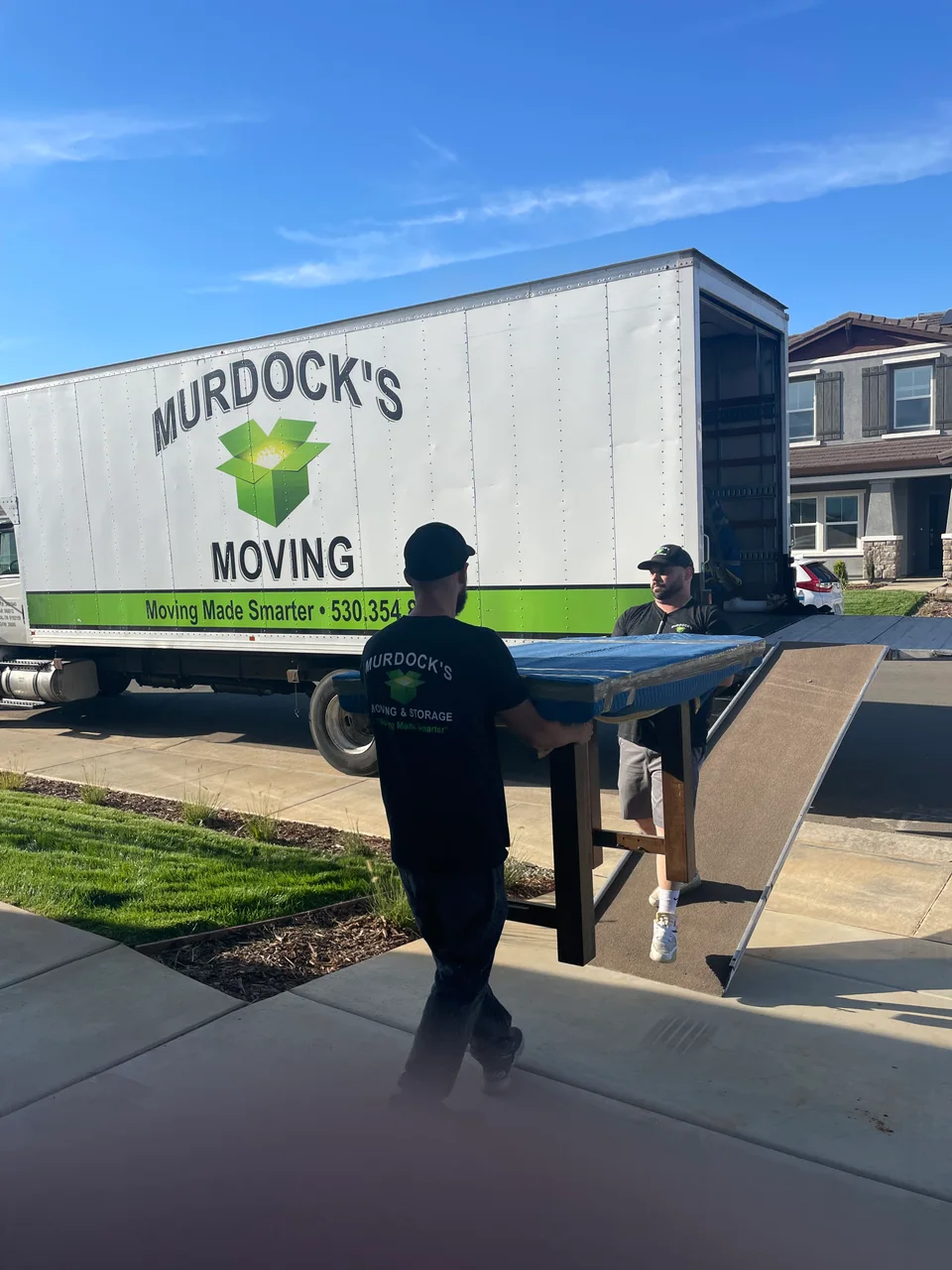
Courthouse Clerk and Administration Office moving in the Sacramento Valley: Murdock's crew at work
  • Licensed & InsuredUSDOT 3421940 · MC 1416634
  • Locally OperatedChico + Yuba City
  • Sacramento ValleyChico · Yuba City · Sacramento

Start your courthouse clerk and administration office move quote

verifiedFor estimate purposes onlycredit_card_offNo credit card required

Planning a Courthouse Clerk and Administration Office Move

A superior court clerk's office is rarely a large move, but it is a slow one to plan. The filing window in Oroville, Yuba City, Marysville or downtown Sacramento serves the public, the deputy clerks behind it keep calendars running for the courtrooms, and the case files on their shelves may be handled only by court staff.

This page covers a courthouse's administrative side: the clerk's office, jury services, the executive officer's suite and the self-help center. Courtroom benches, jury boxes, holding areas, evidence and exhibits are not part of it.

Planning starts at the door. The court decides which entrance the crew uses, whether it wants names in advance and whether a staff member or deputy walks with the crew through secure corridors. Once that is set, we work from the clerk administrator's drawing: which counter sections come out first, which workstations follow, and which rooms must be ready before the window reopens. For civic and institutional planning in general, see property and institutional moves.

Who usually signs off
Court executive officer or clerk administrator, with the court's security contact approving entry and the facilities lead releasing rooms
Timing that works
After the clerk's window closes to the public, or on a court holiday or weekend the court opens on request, timed so the filing window reopens on schedule.

What typically moves

  • Clerk's filing-window counter sectionsFreestanding sections are numbered in window order. Anything tied into the wall or the security glazing waits for the court's installer.
  • Deputy clerk workstations and pedestalsGrouped by division, such as civil, criminal, family or traffic, following the court's seating chart.
  • Jury services check-in desk and assembly-room chairsAssembly chairs are counted and stacked by row so the room can seat a panel on its first day open.
  • Empty file carts and records-room shelvingShelving and carts move empty. Court staff move the case files themselves or box and seal them first.
  • Court executive officer and administration suiteDesks, bookcases and conference tables, tagged by office number.
  • Self-help center tables and form racksPublic tables and literature racks move after self-help staff clear the forms and handouts.
  • Clerk computers, monitors and receipt printersUnplugged and padded, then returned to the same station at the new counter. Case-management access, the cash drawer and card readers belong to court IT and fiscal staff.

Access and scheduling

Every courthouse sets its own entry procedure, and it is the court, not the mover, that decides who comes in. Before a date is held, we ask who the security contact is, how the court wants crew information sent, and where a truck may stand, since parking beside court buildings is usually restricted. Some courts want carts and dollies through the public screening checkpoint; others open a staff door and assign an escort.

The clerk's public hours set the calendar. The window typically closes to the public before the staff day ends, so released back rooms can move during the day and counter sections can follow once the lobby is empty. When the court would rather have no public in the building at all, a court holiday, an evening or a weekend can be scheduled on request.
Protection and handling

Case files are the one part of this job the crew does not handle on its own terms. Court staff decide how active and closed files travel: on their own carts, in cartons they seal, or held back until after the move. Sealed and confidential material, exhibits and anything from an evidence or exhibit room stay out of the moving inventory. If the crew finds a tagged exhibit in an office being cleared, work in that room stops until court staff collect it.

Whatever the court releases gets two labels: the room it leaves and the room or window position it goes to. Counter sections are padded on the face and edges, with hardware bagged and taped to each section. At the new location, stations follow the seating chart and court IT logs in and tests each one.

Who does what

Some of this job belongs to other trades. The written plan names each one.

Entry approval, escorts and the screening checkpoint
Court security staff decide who may enter, which door the crew uses and whether someone escorts the crew. We follow the route they approve.
Case files, sealed records, exhibits and evidence
The clerk's office keeps custody and decides how files travel. Exhibits and evidence stay with the court's exhibit staff and never join the moving inventory.
Fixed counters, security glazing and court systems
The court's facilities staff or installer releases anything attached to the building. Court IT handles case-management access, payment terminals and testing.

Not part of our work

  • Evidence, exhibits, sealed records and anything stored in an evidence or exhibit room.
  • Opening, sorting or reading case files; court staff prepare and release them.
  • Courtroom benches, jury boxes, holding areas and other built-in courtroom fixtures.

Around Chico, Yuba City and Sacramento

Superior court locations here sit in county seats and downtown cores: Oroville and Chico for Butte County, Yuba City for Sutter, Marysville for Yuba, Auburn and Roseville for Placer, and downtown Sacramento for Sacramento County. Downtown courts usually mean restricted curb space and a shared loading area; a smaller county-seat courthouse may have one public entrance that is also the only way in.

The crew that shows up

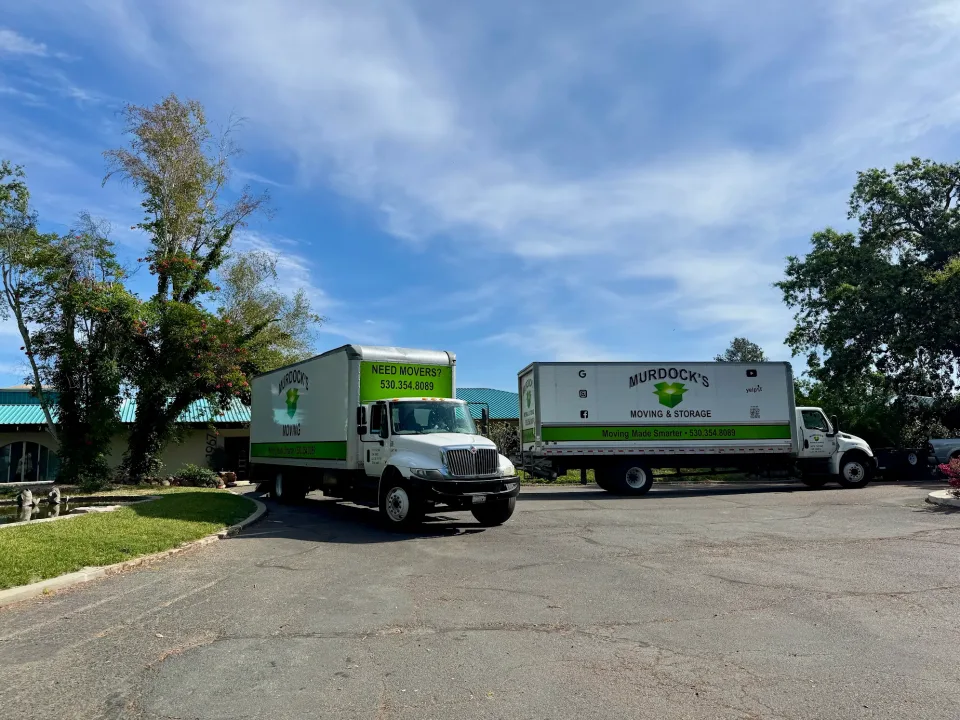
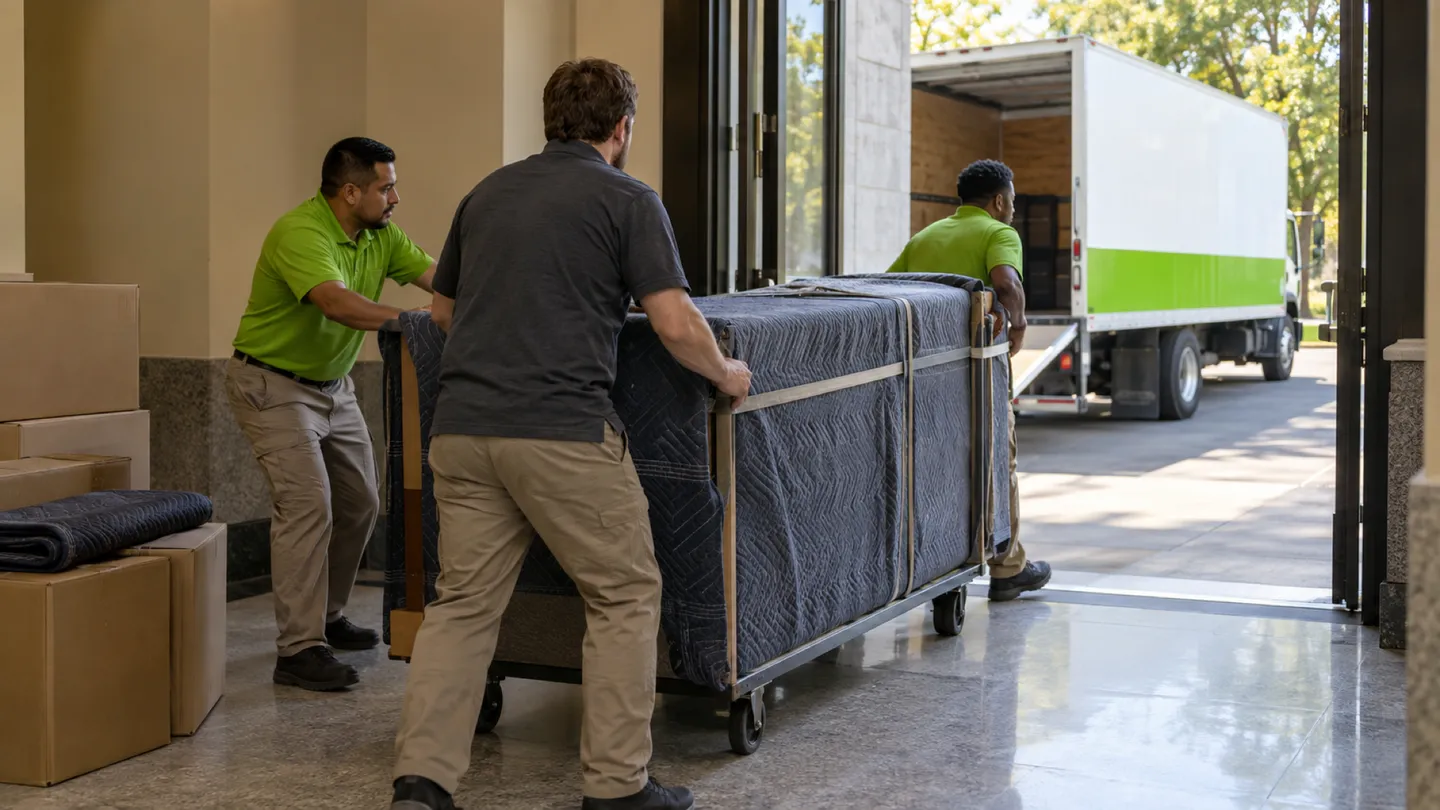
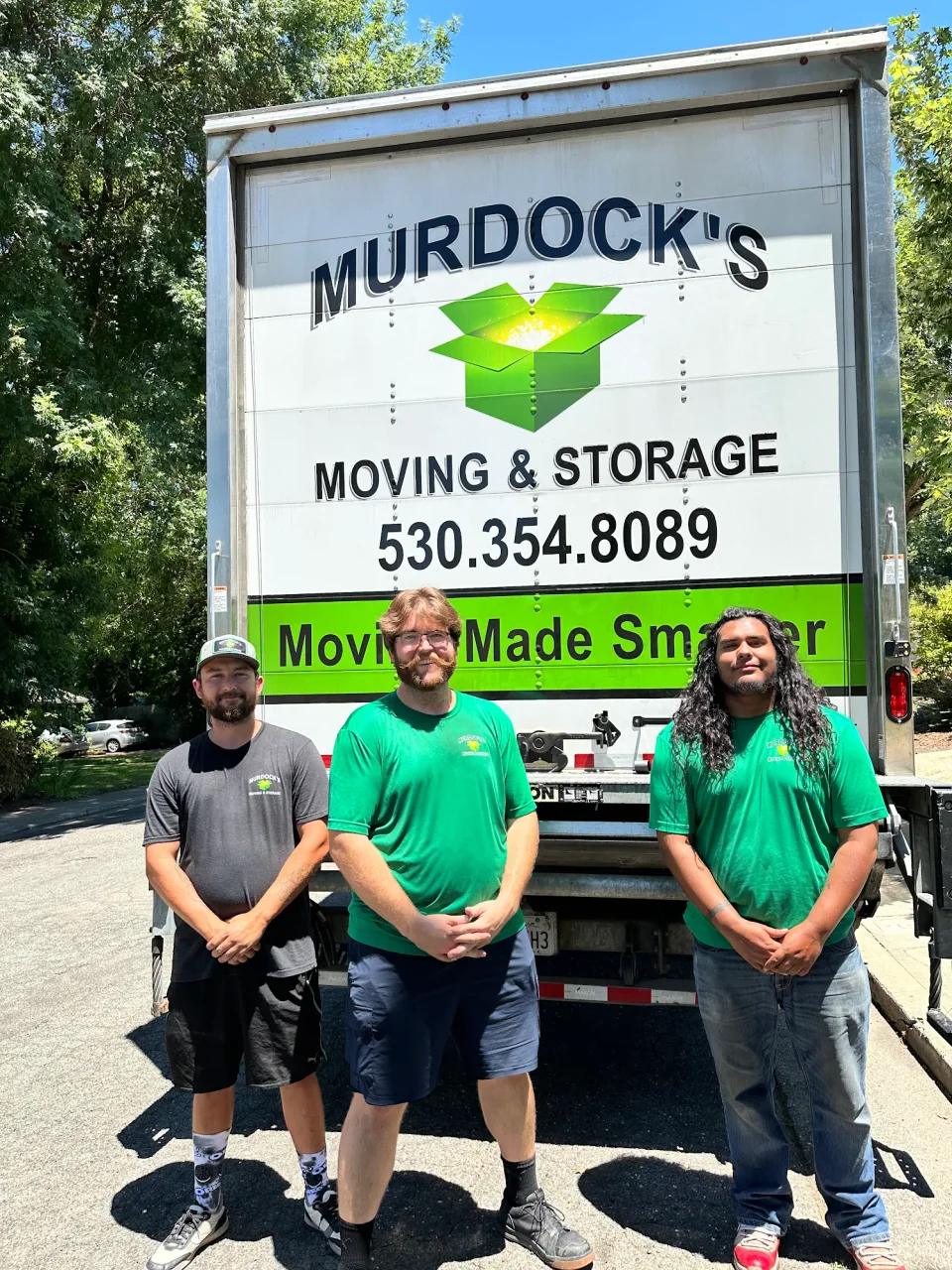
Three Murdock’s crew members at the back of the box truckTwo Murdock’s movers carrying a pad-wrapped table up the truck rampTwo Murdock’s box trucks staged outside a single-story building in the Sacramento Valley

Courthouse Clerk and Administration Office Moving FAQs

Another question? Call (530) 354-8089.

Does the court need our crew's names before move day?

The court makes that call. Ask your security contact what it needs and how far ahead: some courts want a list of names, others only a head count and an arrival time. We send whatever the court asks for and plan around the entrance and escort the court assigns.

What if a tagged exhibit turns up in an office we are clearing?

The crew stops work in that room and tells your court contact. Exhibits and evidence never go into our inventory, even when they are sitting beside ordinary office furniture. Court staff collect the item and decide where it goes, and the crew resumes once the room is clear.

Can the filing window stay open while the clerk's back office moves?

Usually, if the back office and the counter can be released separately. Mark the public queue and the doors visitors use. The crew clears the released rooms by a route away from the lobby, then moves the counter sections after the window closes or on a day the court is closed to the public.

How do counter sections go back in the same window order?

Each freestanding section is numbered left to right before it comes apart, and its hardware bag carries the same number. The clerk administrator's drawing shows where each number lands at the new counter. Sections tied into the wall or glazing are released and reset by the court's installer.

Plan your business move

Tell us both addresses, the building rules you know about, and the dates you cannot move. We will send back a written plan and estimate.

Call (530) 354-8089

Mon–Sat 8:00 AM–6:00 PM · Sun 10:00 AM–4:00 PM

Call Nowcall530-354-8089