Property, Institutional & Government

County Government Office Moving in the Sacramento Valley

Assessor, clerk-recorder, planning and tax collector offices moved department by department, under the county's purchase order and badge rules.

(530) 354-8089
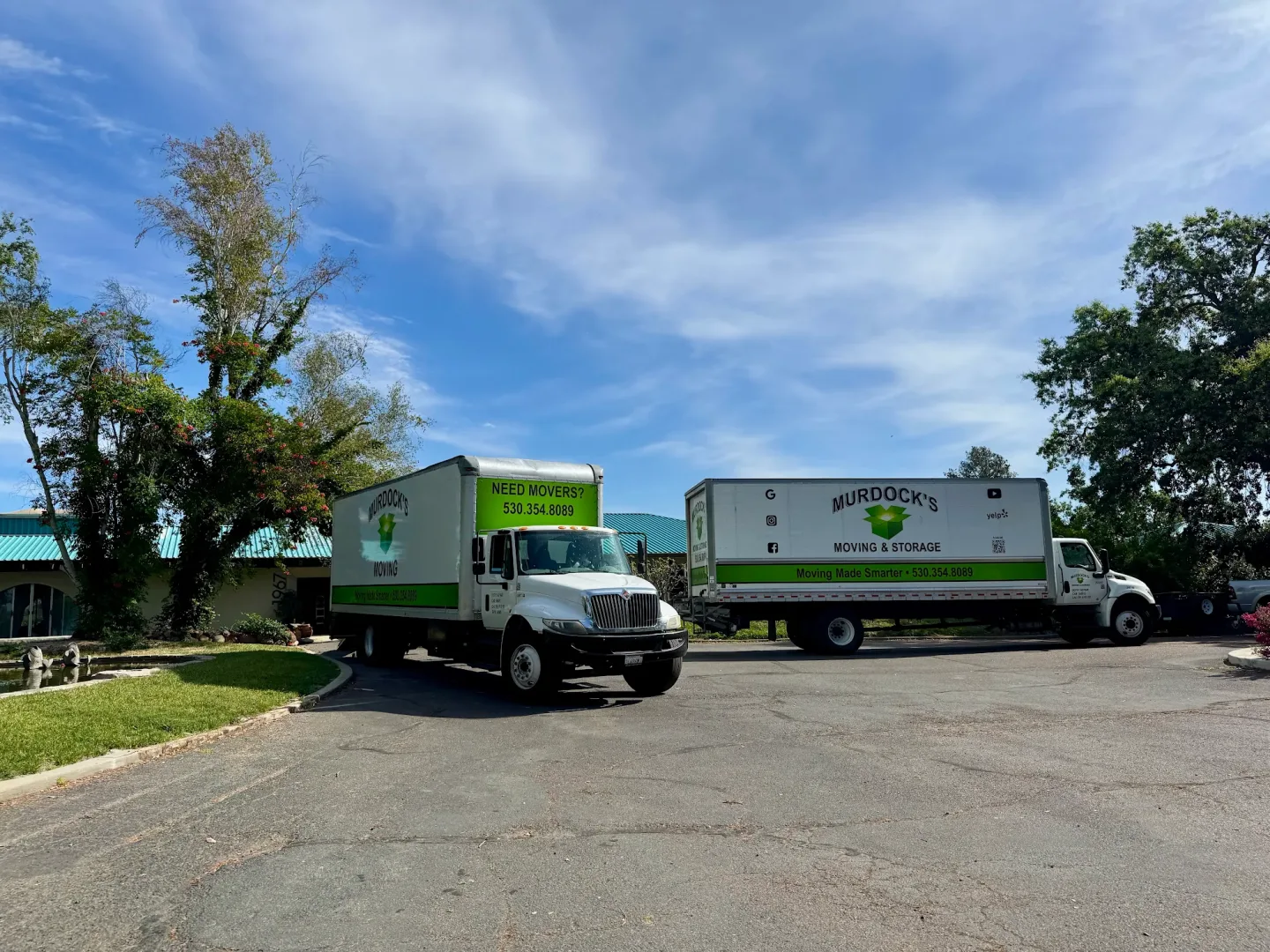
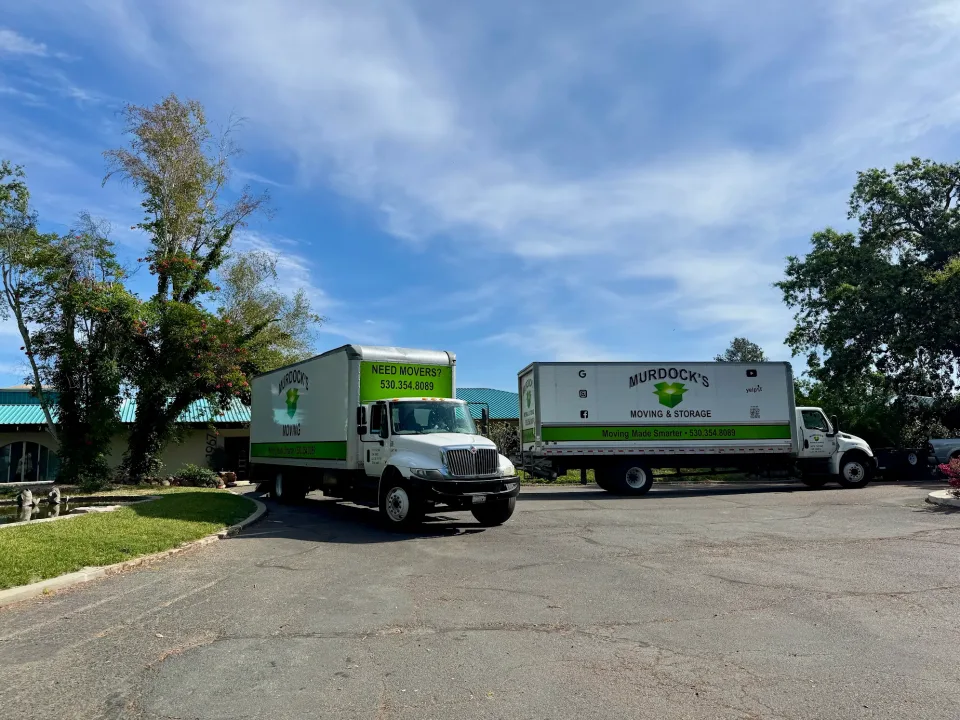
Two Murdock's box trucks staged outside a single-story institutional building
  • Licensed & InsuredUSDOT 3421940 · MC 1416634
  • Locally OperatedChico + Yuba City
  • Sacramento ValleyChico · Yuba City · Sacramento

Start your government office move quote

verifiedFor estimate purposes onlycredit_card_offNo credit card required

Planning a Government Office Move

A county move is really several department moves sharing one truck. The assessor, the clerk-recorder, planning and building, the treasurer-tax collector and the elections office each run a public counter, a back room and a manager who decides when that counter can close. In Oroville, Yuba City, Marysville and Auburn, those departments often share one government center, so a single move date can touch all of them.

Paperwork comes before furniture. County purchasing usually wants a written scope before it issues a purchase order, and facilities or security arranges visitor passes or temporary badges. We write the scope department by department and room by room, so purchasing can see exactly what it is paying for, then set dates once the PO is issued.

The department list also sets the order of work. Ballots and voting equipment stay with elections staff, and their office should move well clear of an election. The recorder's vault and the assessor's map books move on each department's terms. Everything else, from counter desks to conference rooms, follows the county's floor plan. For civic planning more broadly, see property and institutional moving.

Who usually signs off
County facilities manager or department head, with county purchasing issuing the purchase order
Timing that works
Once purchasing has issued the PO, each department moves on its own release date, avoiding election periods and the December and April property-tax deadlines.

What typically moves

  • Assessor and recorder counter furnitureCounter desks, form racks and queue posts tagged by window number, so the public side goes back in the same order.
  • Assessor map-book shelvingShelving moves empty by bay. Staff box the parcel map books in book order or carry them themselves.
  • Planning and building plan-review tablesLayout tables and plan racks move empty; staff hold the plan sets still under review.
  • Department head offices and conference roomsDesks, bookcases and tables labeled by room number from the county's plan.
  • Department staff workstationsTagged with department, floor and seat, because county-issue furniture often looks identical on every floor.
  • Desk computers, monitors and receipt printersReconnected at the assigned seat. County IT handles the network, accounts and payment systems.

Access and scheduling

Most county buildings have a public entrance with a counter queue and a staff entrance with badge readers. Facilities decides which one the crew uses, whether the crew gets temporary badges or signs in daily, and whether a county employee must be present in secured rooms such as the recorder's vault or the elections office. The carry route follows from that answer.

Counter hours shape each day. Departments that serve the public usually want back rooms moved first and the counter last, after it closes, so taxpayers and permit applicants are not walking past carts. Plan the tax collector's counter away from the December and April property-tax deadlines, and elections away from any election. If the building allows it, the crew can also come in on an evening or a weekend. Budget timing can matter as well: a move funded from this fiscal year may need its PO in place before June 30.
Protection and handling

Because county furniture is so often the same model everywhere, each label carries the department and room, not just a number, and wraps go on with the label outside. Floors, door frames and elevator cabs along the approved route are protected, and carts stay out of the public lobby while counters are open.

Before the crew starts, staff set aside what the department controls: official records, cash drawers, keys, seals and, in the elections office, all ballots and voting equipment. The crew moves released furniture and cartons exactly as labeled and does not open files or decide what goes. Anchored counters, security glass and hard-wired equipment are released first by county facilities or its contractor. At the new building, stations are set from the floor plan and desk equipment is plugged back in for county IT to test.

Who does what

Some of this job belongs to other trades. The written plan names each one.

Scope approval and purchase order
County purchasing issues the PO under the county's own approval rules. We supply the room-by-room scope it reviews.
Badges, visitor passes and secured rooms
County facilities or security issues passes and decides where an employee must accompany the crew.
Ballots, voting equipment and official records
Elections and recorder staff secure and move them under their own procedures. They never join the moving inventory.

Not part of our work

  • Ballots, voting equipment, official records, cash and seals.
  • Anchored counters, security glass and building-wired equipment, which county facilities or its contractor releases.

Around Chico, Yuba City and Sacramento

County seats here run along Hwy 70 and Hwy 99: Oroville for Butte, Yuba City for Sutter, Marysville for Yuba, with Auburn up I-80 for Placer. Many departments share a government center with a common lobby and parking lot, so one department's move day also affects its neighbors' visitors. State departments in Sacramento have their own page.

The crew that shows up

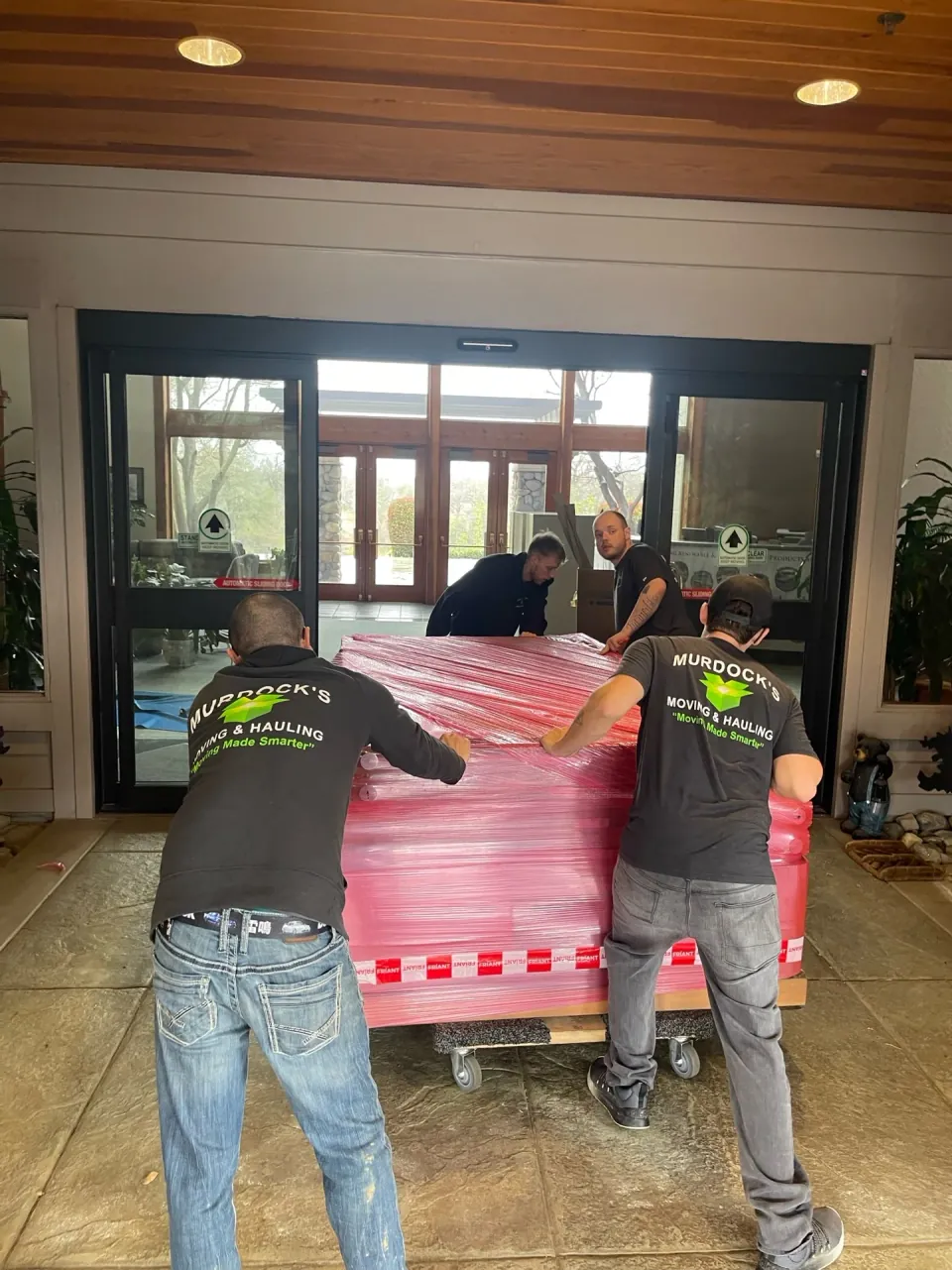
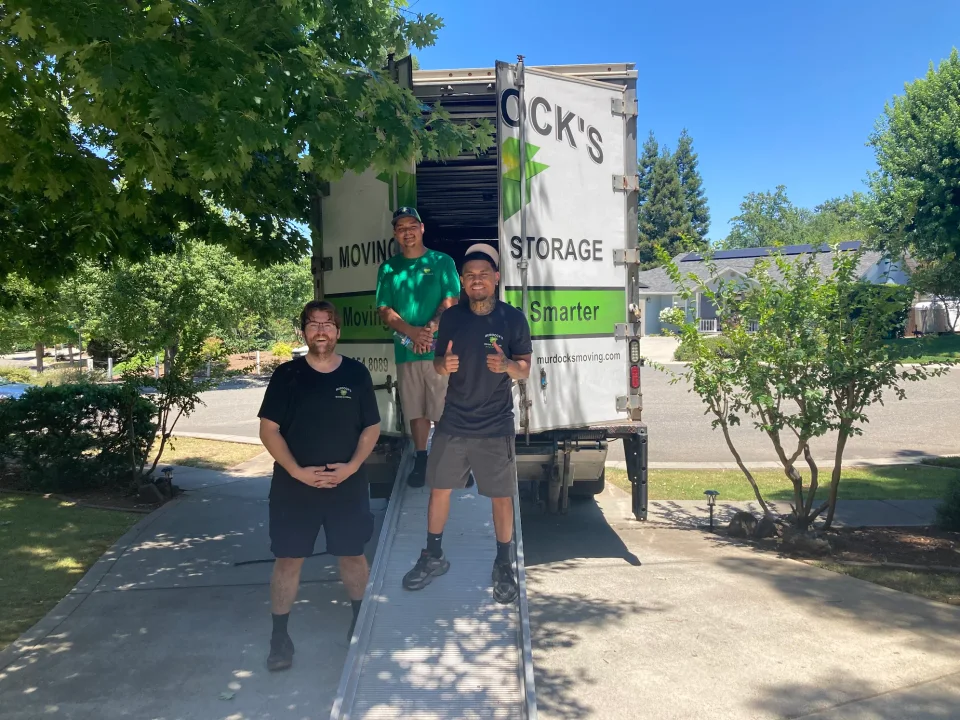
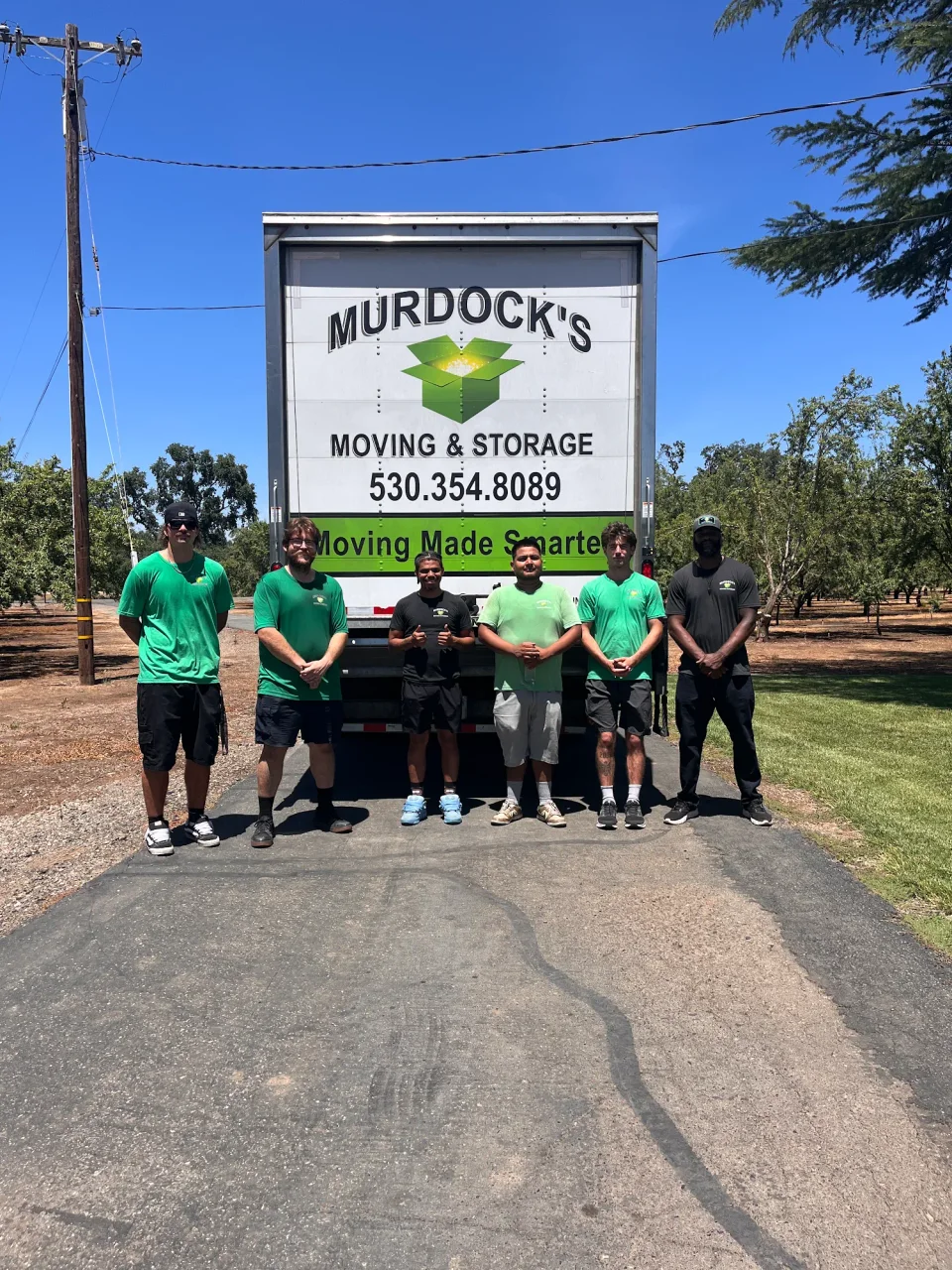
Murdock’s movers working the loading ramp of an open box truckThe Murdock’s crew lined up behind the truck on an orchard road in Butte CountyMurdock’s crew rolling a shrink-wrapped piece on dollies through a building lobby

Government Office Moving FAQs

Another question? Call (530) 354-8089.

Our purchasing office wants a scope before it issues a PO. What goes in it?

Both addresses, the departments involved, a room-by-room list of what moves and what stays, and the access window facilities has approved. We can write the moving portion in that format after a walk-through. Purchasing decides which forms it needs and when the order is ready, and dates are confirmed after it is issued.

Should the elections office move during an election year?

That is the registrar's decision, but most elections offices keep moves well clear of an election and its canvass. Ballots, voting equipment and anything sealed stay with elections staff, who move them under their own procedures. The crew moves the office furniture, shelving and cartons that staff release, on a date the elections office chooses.

Can the tax collector's counter move without closing for days?

Usually. Staff behind the counter move first, with the public window still serving taxpayers, and the counter itself goes after hours, so the window may be closed for only part of a day. Avoid the weeks before the December and April property-tax deadlines. The tax collector's staff keep their cash and card readers with them.

Several departments share our building. Who sets the order?

Your facilities manager, working from each department head's release date. We turn that into a sequence, label everything by department and room, and keep each department's load separate on the truck. If one department slips, the others can usually keep their dates.

Plan your business move

Tell us both addresses, the building rules you know about, and the dates you cannot move. We will send back a written plan and estimate.

Call (530) 354-8089

Mon–Sat 8:00 AM–6:00 PM · Sun 10:00 AM–4:00 PM

Call Nowcall530-354-8089