Business & Professional Offices

Coworking Space Moving in the Sacramento Valley

Move an operator's shared workspace while keeping member desks, hot-desk furniture and new floor zones clearly separated.

(530) 354-8089
Coworking Space moving in the Sacramento Valley: Murdock's crew at work
  • Licensed & InsuredUSDOT 3421940 · MC 1416634
  • Locally OperatedChico + Yuba City
  • Sacramento ValleyChico · Yuba City · Sacramento

Start your coworking space move quote

verifiedFor estimate purposes onlycredit_card_offNo credit card required

Planning a Coworking Space Move

A coworking floor is two inventories sharing one room. The operator owns the hot-desk tables, the lounge sofas, the booths and the coffee bar. Members own whatever sits on and under their desks, from a second monitor to a filing box, and some are paying for a private office they expect to find exactly as they left it. Before anything is tagged, the site manager has to say which is which.

We work from that split. Operator furniture gets a zone code from the new plan: open floor, quiet room, private office number, meeting room, lounge. Member belongings are handled only on the operator's instruction, either carried out by the member or boxed, closed and tagged to their new desk or office.

Refits add a wrinkle. When an operator is reshaping its own floor in midtown Sacramento, downtown Chico or Roseville rather than leaving it, members are usually still working in the next zone. So we move one released zone at a time and keep our carts out of the aisles people are using.

Who usually signs off
Coworking operator or site manager who approves the floor plan and member access notices
Timing that works
Set by the member notice period and the meeting-room booking calendar; for a refit, zones are released one at a time, and evening work is available on request.

What typically moves

  • Hot-desk tables and benching runsCounted by zone, legs and modesty panels bagged with their tops, and unloaded in the order the new open floor fills.
  • Private-office desks, chairs and pedestalsKept together by office number. Pedestals stay locked if the member holds the key, and the operator confirms which pieces are theirs.
  • Freestanding phone booths and focus podsHandled to the maker's instructions, panels padded and glass carried on its own.
  • Member mailboxes and package shelvingMoved as one set with slot numbers intact, so members who use the space as a mailing address find their slot unchanged.
  • Meeting-room tables and conference chairsTagged by room name from the booking system, so the first rooms booked at the new address are set first.
  • Lounge sofas, soft seating and rugsWrapped against dust and set last, because the lounge is the zone operators most often reshape once they see the new space.
  • Pantry fridges and snack shelvingFridges travel emptied with doors taped; a plumbed espresso machine waits for its service vendor.

Access and scheduling

Most operators lease, so two landlords have a say. We ask the property managers at each address about freight elevator booking, floor protection, dock hours and keys or badges for the crew. If either wants proof of insurance before holding the date, the certificate goes to them made out the way they ask.

The member notice drives the rest. It should tell members when reserved desks must be cleared, which meeting rooms close and when, and where their tagged boxes will be at the new space. Private offices and member boxes ride together and come off first, because those are the pieces people ask about on the first day. Hot-desk tables and lounge pieces follow, since the operator can set those without a member watching.
Protection and handling

Coworking furniture is chosen to look good and shows wear fast. Tops are pad-wrapped and carried flat, booth panels travel upright in carts, and table legs are bagged with their own hardware rather than pooled. Glass booth doors and whiteboard walls go in their own padded cartons.

Member property gets a stricter rule. The crew does not open, sort or repack anything a member left behind. Boxes are closed by the member or the site manager, tagged to a desk or office number, and loaded as a group. Anything untagged is set aside at the old address for the manager to resolve, not guessed at. At the new floor each private office is finished before the open floor, so a member walking in finds their space ready.

Who does what

Some of this job belongs to other trades. The written plan names each one.

Phone booths and pods with lights, fans or power
The booth maker's instructions decide how each unit comes apart. Units they say must move whole or be reinstalled by their own installer are left to that installer.
Building power, data drops and the member Wi-Fi
Your electrician and IT provider. We place furniture to the plan and leave outlets, cabling and the network to them.
Door access, member keycards and the booking system
The operator and its access-control vendor update entry credentials and room listings for the new address.

Not part of our work

  • Deciding who owns a piece of furniture or a box; the operator settles that with members before loading.
  • Plumbing or reconnecting espresso machines, ice makers or pantry sinks.

Around Chico, Yuba City and Sacramento

Shared workspaces here range from upper floors in downtown and midtown Sacramento to storefronts in downtown Chico and newer suites in Roseville, Folsom and Davis. Downtown usually means an hourly elevator booking and street loading; suburban spaces more often load through a back door onto a lot members use on weekdays.

The crew that shows up

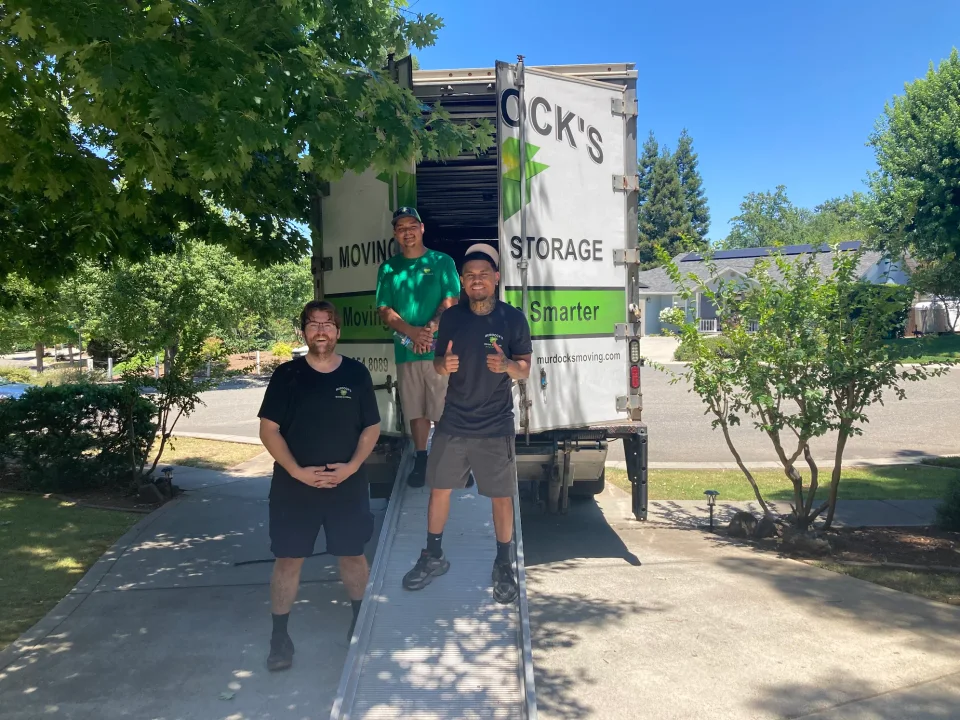
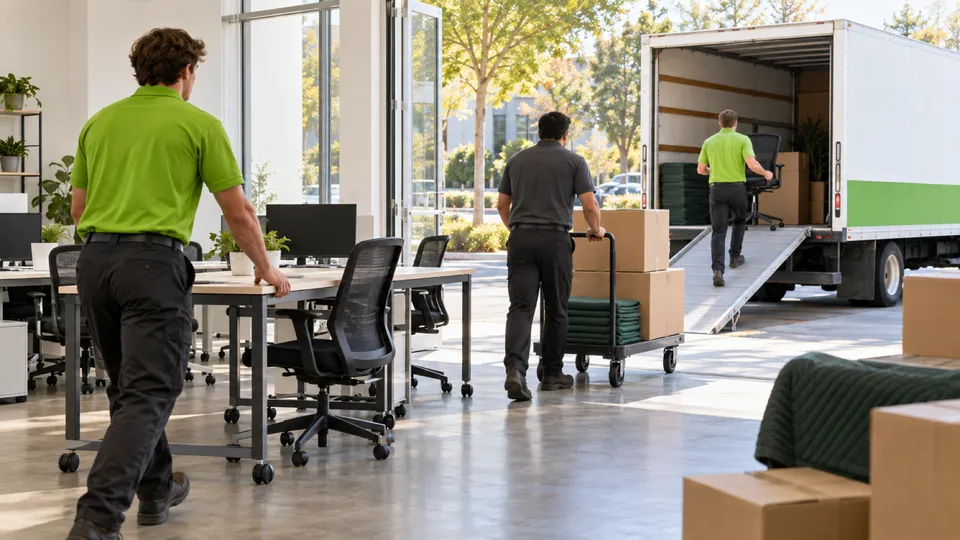
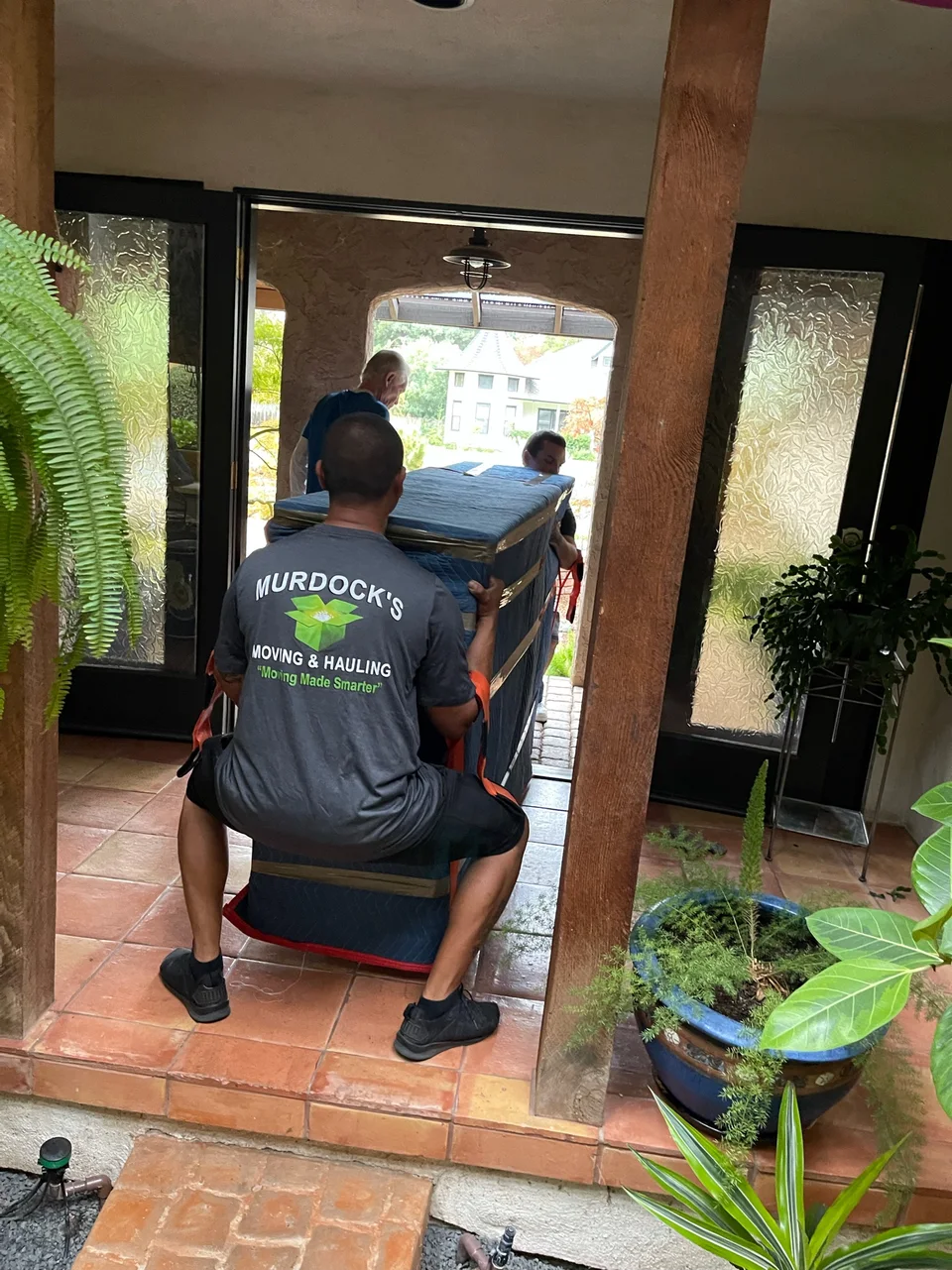
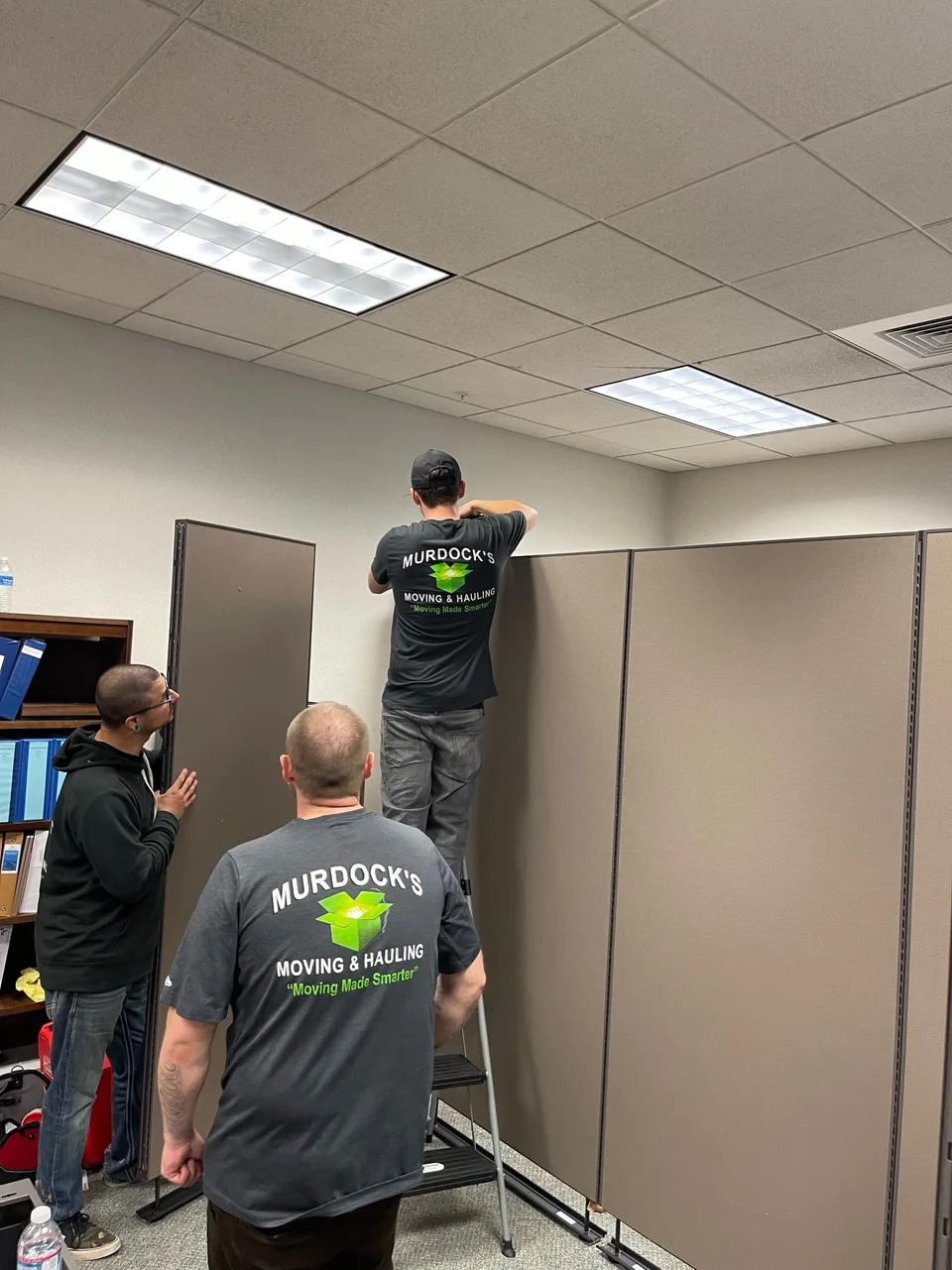
Murdock’s crew carrying a pad-wrapped piece through a tiled entrywayMurdock’s crew rebuilding cubicle panels in an office, one mover on a step ladderMurdock’s movers working the loading ramp of an open box truck

Coworking Space Moving FAQs

Another question? Call (530) 354-8089.

A member is traveling during the move. What happens to their reserved desk?

The operator decides, usually with the member's written go-ahead. If they approve, your site staff box the member's items, close and tag them to the new desk number, and the crew moves those boxes unopened. Pedestals stay locked if the member has the key. That desk is set up like the rest, and the member unpacks on return.

Can members keep working in one zone while you refit another?

Usually, if the floor plan leaves a clear route from the work zone to the elevator or door. The manager releases one zone, we clear and reset it, and then the next zone opens. Louder steps such as taking booths apart can be done in an evening on request, when fewer members are in.

We are adding a floor rather than moving. Does the process change?

Mostly in scale. An expansion usually means carrying some furniture upstairs, receiving new pieces and reshuffling the old floor to fit. We move what the operator is relocating, tag it to the new zone plan, and can place new deliveries once they are on site. Assembly of new product stays with the dealer.

Do our meeting rooms need to be blocked in the booking system?

Yes, for the rooms being moved plus a buffer. Block them from the last day at the old space through the day we expect them set at the new one. The manager gets the order in which rooms will be set, so the first ones can reopen for booking while the rest are still being built.

Plan your business move

Tell us both addresses, the building rules you know about, and the dates you cannot move. We will send back a written plan and estimate.

Call (530) 354-8089

Mon–Sat 8:00 AM–6:00 PM · Sun 10:00 AM–4:00 PM

Call Nowcall530-354-8089