Healthcare & Medical

Medical Lab Moving in the Sacramento Valley

Analyzer vendors move and verify the instruments. We move the benches, casework, draw-station chairs and emptied refrigerators around their schedule.

(530) 354-8089
Medical Lab moving in the Sacramento Valley: Murdock's crew at work
  • Licensed & InsuredUSDOT 3421940 · MC 1416634
  • Locally OperatedChico + Yuba City
  • Sacramento ValleyChico · Yuba City · Sacramento

Start your medical lab move quote

verifiedFor estimate purposes onlycredit_card_offNo credit card required

Planning a Medical Lab Move

A clinical lab cannot simply reopen at a new address. Before it reports a patient result there, its analyzers have to be reinstalled by the manufacturer's field engineers and verified by the lab's own staff, and the lab director has to update the certificate and accreditation paperwork for the new site. Those steps decide the calendar. The furniture fits around them.

That furniture is still most of the truck. Lab benches and reagent shelving, mobile casework, specimen receiving counters, draw-station chairs, the pathology or billing offices, and a row of refrigerators and freezers that staff empty before moving day. Our crew moves those pieces, and places them to a bench drawing that shows where each instrument will sit, so the service engineers arrive to clear, level spots with power and data where they expect it.

For a patient service center near Sutter Medical Center, Enloe or Rideout, the job is smaller but tighter: a few draw chairs, a check-in desk and a supply room, often moved after the last afternoon draw so the site reopens the next morning.

Who usually signs off
Lab manager or operations director, with the equipment vendor and facilities contact approving their parts of the plan
Timing that works
Built backward from the date the lab must report patient results again, with analyzer de-install, move and verification booked with each vendor first.

What typically moves

  • Mobile lab benches and reagent shelvingNumbered to the bench drawing so each lands where its instrument or workflow station is planned.
  • Emptied refrigerators and freezersMoved only after staff removes every specimen, reagent and control. Units ride upright; the lab decides when to power them on.
  • Specimen receiving and accessioning countersFreestanding sections padded and set at the receiving door first, since incoming samples start there.
  • Phlebotomy draw chairs and cartsArmrests and trays protected; carts emptied of needles and tubes by staff before the crew loads them.
  • Pathology, billing and client-services officesDesks, files and bookcases packed by office, locked cabinets kept locked.
  • Office computers and monitorsUnplugged and padded at the desks; instrument workstations and the lab information system stay with your IT and vendors.

Access and scheduling

Labs usually sit in medical office buildings or at the back of a clinic, where the loading area is shared with deliveries, courier pickups and medical-waste service. We ask the property manager when the dock and elevator are free and whether couriers still need the door during the move. Many buildings near hospital campuses in Sacramento, Roseville and Chico also ask for our certificate of insurance when the move is booked, with the landlord and its management firm named on it.

Sequence matters more than speed. A typical plan moves the offices and empty casework first, then the benches the instruments will stand on, then the refrigerators once the lab has emptied and logged them, and leaves the analyzer window to the vendors. Evening loading on request helps a draw site that sees patients all day. In July and August we start early, before loading-dock asphalt gets hot enough to matter.
Protection and handling

Lab benches carry chemical-resistant tops that chip at the corners, so tops are padded and edge-guarded and never stacked face to face. Shelving and bench hardware are bagged by bench number. Refrigerator doors are taped shut, shelves and drawers pulled and packed separately, and each unit is carried upright on a hand truck with pads around the case.

The crew opens nothing that holds specimens, reagents, controls or waste. If a box or bin is not marked released by lab staff, it stays behind for them. At the new space we set each bench to the drawing, leave marked clear zones where analyzers go, and walk the room with the lab manager, bench by bench, before the first vendor engineer arrives to start the instrument work.

Who does what

Some of this job belongs to other trades. The written plan names each one.

Chemistry, hematology and other analyzers
The manufacturer's field service engineers de-install, move and reinstall them. The lab's staff then runs its own verification before reporting patient results.
Biosafety cabinets and fume hoods
A certifier inspects and recertifies a biosafety cabinet after it moves; ducted hoods are the building contractor's. We carry a released, decontaminated cabinet only if the certifier approves.
Specimens, reagents, controls and biohazard waste
Lab staff pack and transfer them under the lab's own procedures, and your medical-waste hauler removes waste. Our crew handles none of it.

Not part of our work

  • Plumbing, gas lines, eyewash stations or any fixed casework tied into building services.
  • Certificate, accreditation or quality-system paperwork for the new address; the lab director owns it.

Around Chico, Yuba City and Sacramento

Clinical labs and draw sites cluster around the big medical campuses: Sutter Medical Center and the blocks around UC Davis Medical Center in Sacramento, Sutter Roseville and Kaiser Roseville, Enloe in Chico, and Adventist Health / Rideout in Marysville. Smaller draw stations also sit in Yuba City, Woodland and Folsom retail centers, where parking is shared with patients.

The crew that shows up

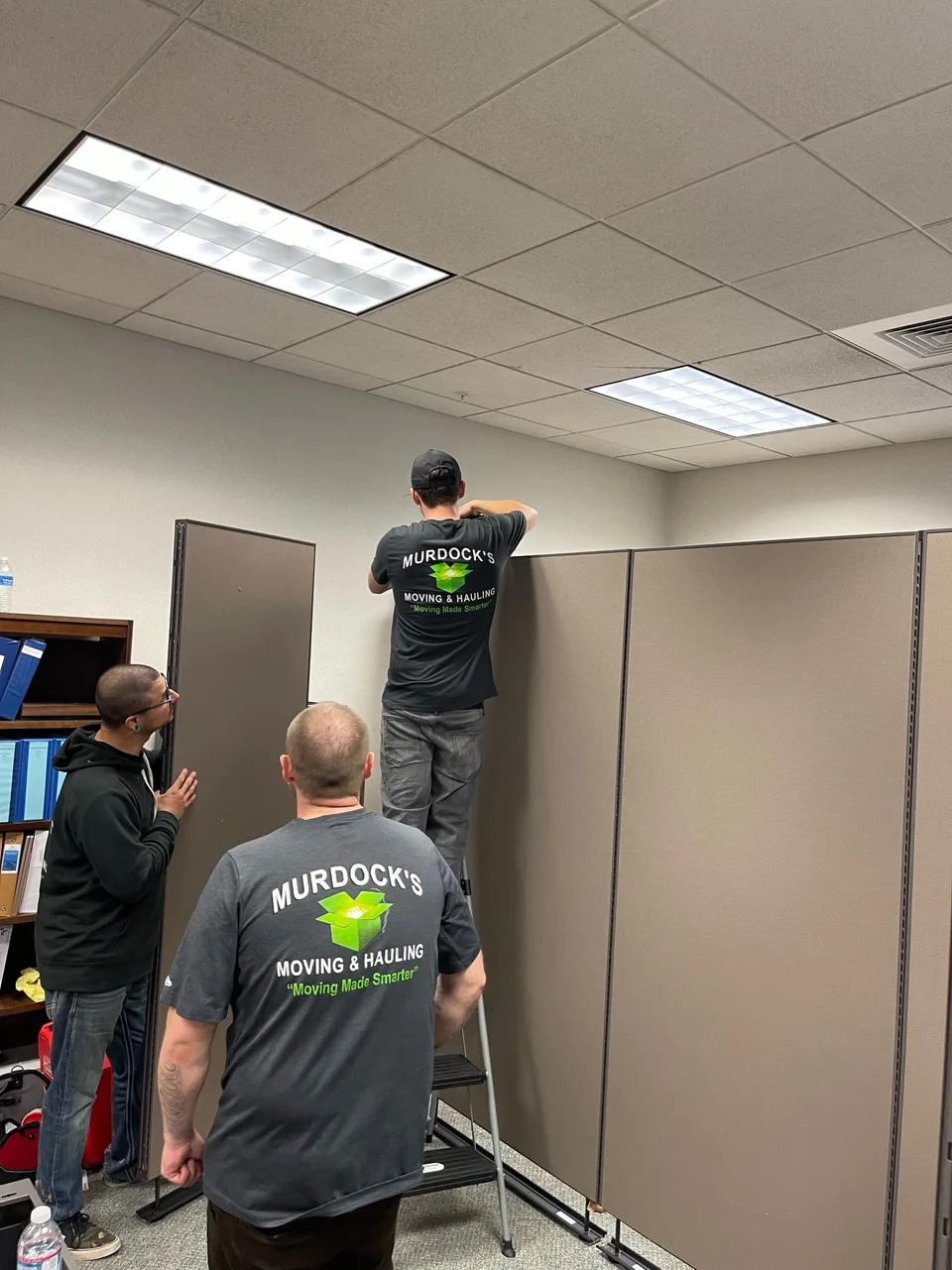
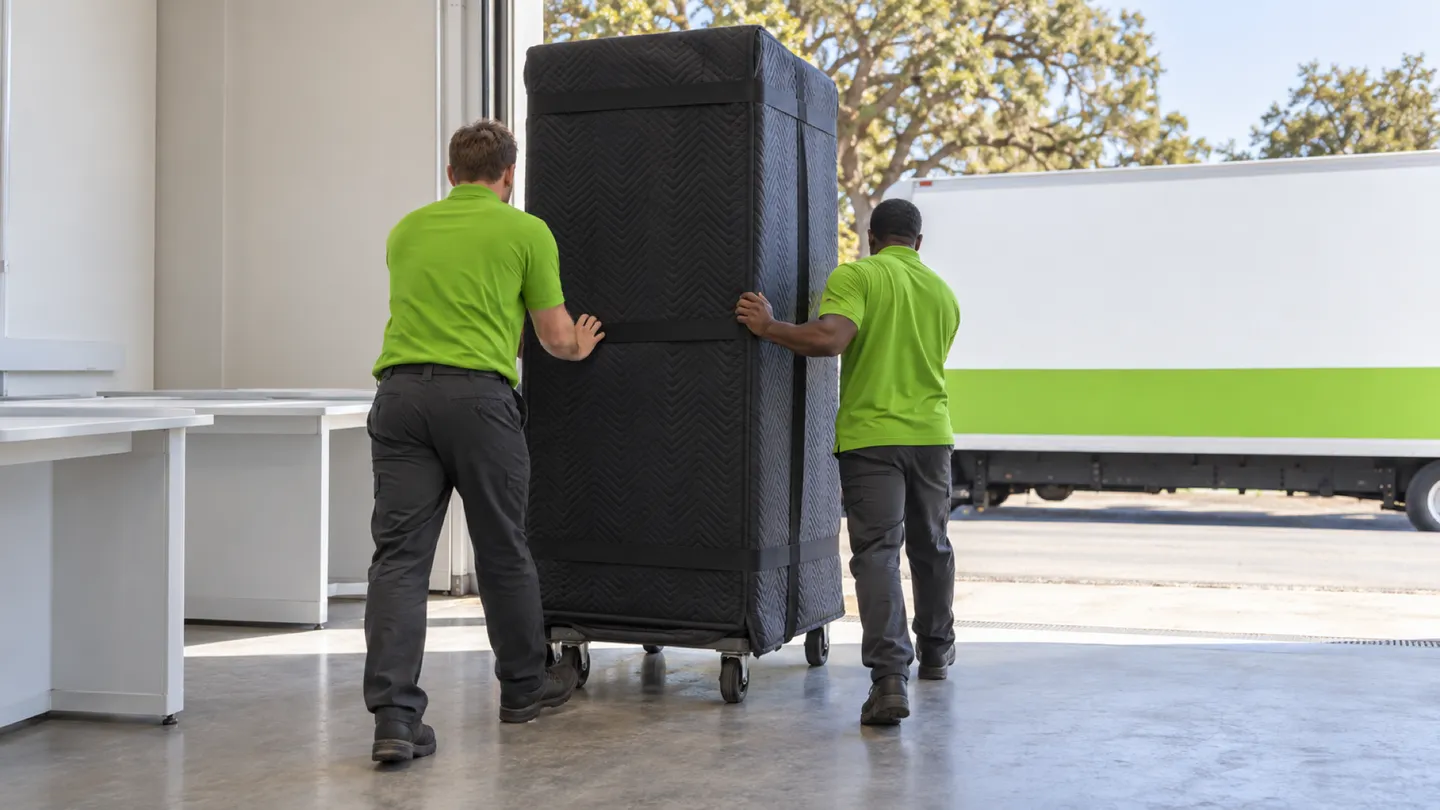
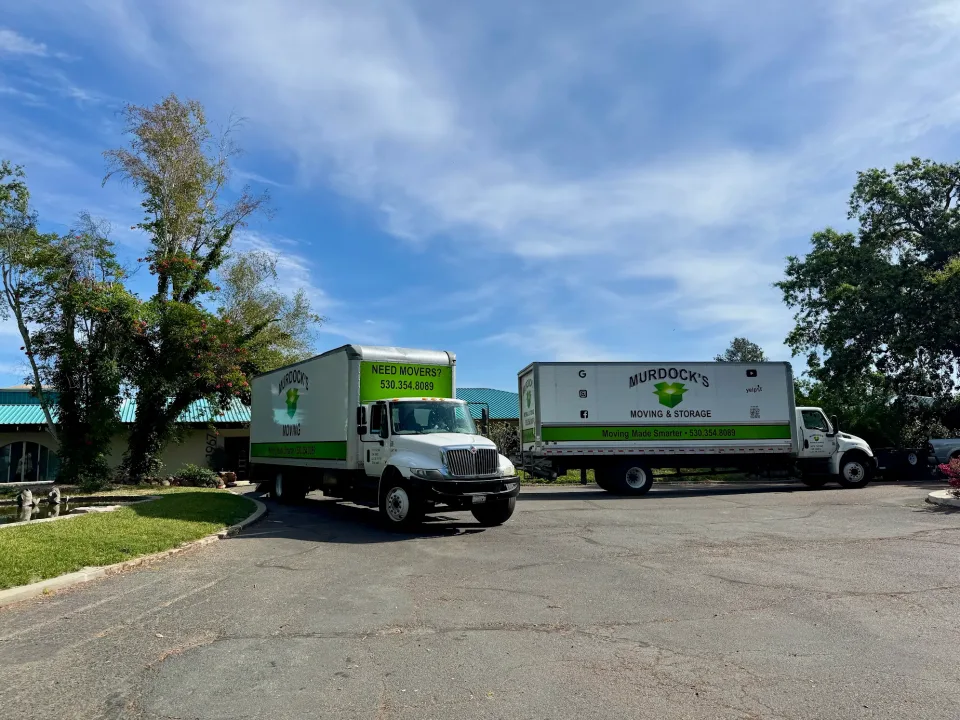
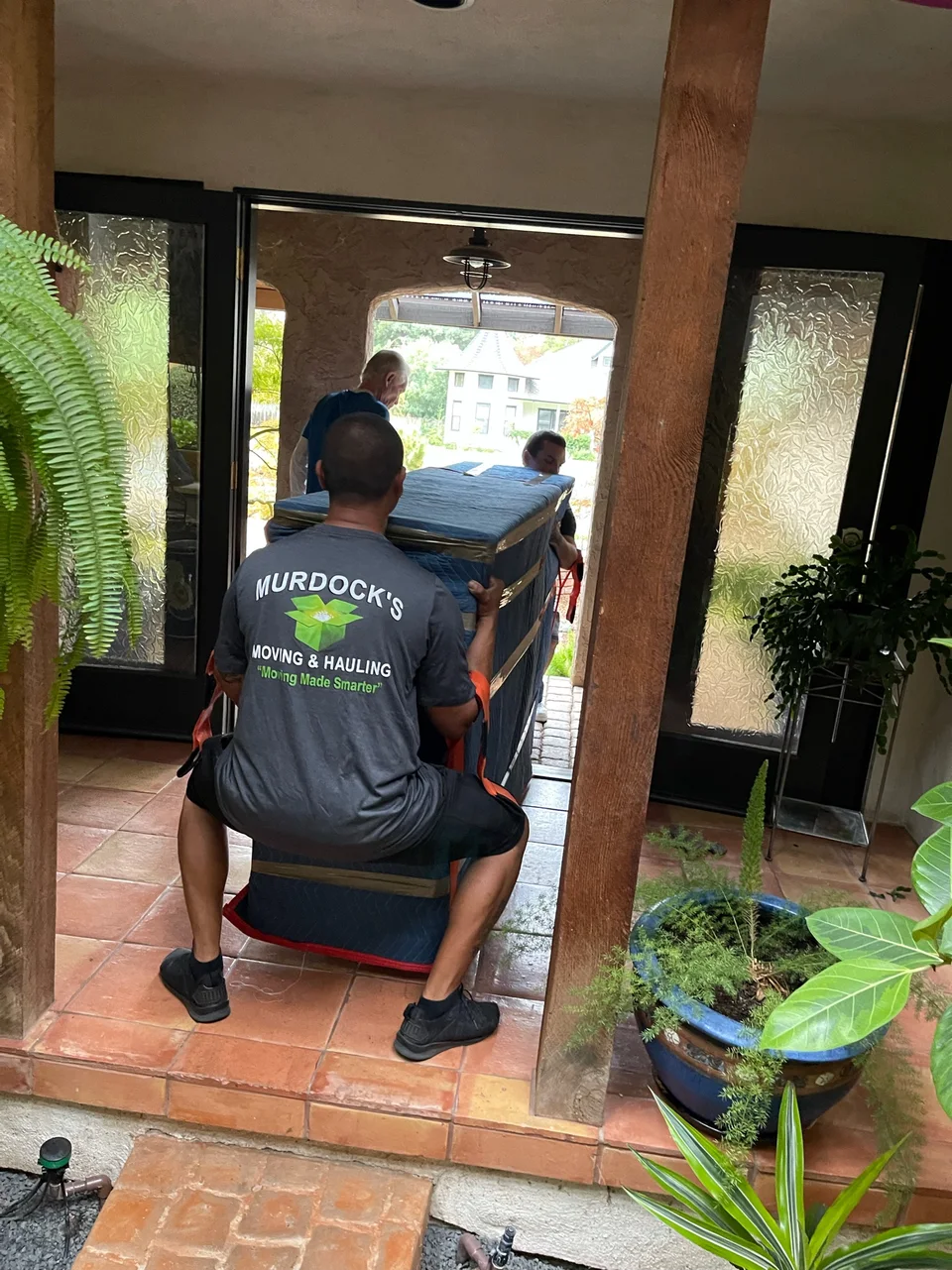
Two Murdock’s box trucks staged outside a single-story building in the Sacramento ValleyMurdock’s crew carrying a pad-wrapped piece through a tiled entrywayMurdock’s crew rebuilding cubicle panels in an office, one mover on a step ladder

Medical Lab Moving FAQs

Another question? Call (530) 354-8089.

Can the refrigerators travel with specimens still inside?

No. Your staff empties every specimen, reagent and control and moves them under the lab's own procedures. Once a unit is signed off as empty, we tape the doors, pull the shelves and move it upright. The lab decides when to plug it in and when it is ready to take stock again.

How do the benches get placed when analyzers need exact spacing?

From a bench drawing that shows every instrument footprint and the clearance around it. We number benches to the drawing, set them to taped marks on the new floor, and leave instrument zones clear. The field engineer then sets the analyzer and confirms its space, power and drainage before the lab begins verification.

Should the benches arrive before the analyzer engineer does?

In most labs, yes. Engineers want the bench or floor position ready when they arrive, not a room of cartons. We plan to finish the benches, offices and empty casework first, then the refrigerators, and hand the room over to the vendor with instrument spots clear and marked.

Our draw station sees patients until late afternoon. Can it reopen the next morning?

Often, if the new site is ready. A small patient service center is mostly draw chairs, a check-in desk, carts and a supply room. We can load after the final draw on request, set the chairs and desk to your plan that night, and leave supplies boxed by room for staff to restock before opening.

Plan your business move

Tell us both addresses, the building rules you know about, and the dates you cannot move. We will send back a written plan and estimate.

Call (530) 354-8089

Mon–Sat 8:00 AM–6:00 PM · Sun 10:00 AM–4:00 PM

Call Nowcall530-354-8089