Healthcare & Medical

Medical Office Moving for Multi-Provider Practices

Every exam table, cart and cabinet tagged to a provider and room, with charts sealed by your staff and clinical items left to your team and installers.

(530) 354-8089
Medical Office moving in the Sacramento Valley: Murdock's crew at work
  • Licensed & InsuredUSDOT 3421940 · MC 1416634
  • Locally OperatedChico + Yuba City
  • Sacramento ValleyChico · Yuba City · Sacramento

Start your medical office move quote

verifiedFor estimate purposes onlycredit_card_offNo credit card required

Planning a Medical Office Move

Most practices that move have outgrown a suite, not a building. Picture several physicians and nurse practitioners sharing one front desk, one draw station and a hallway of exam rooms, each with firm views on which rooms are theirs. When that practice moves into a larger medical office building near Enloe in Chico, off Colusa Avenue in Yuba City or near Sutter Roseville, the hard part is not the carrying. It is getting every room assigned before anything is wrapped.

So we plan from your provider-to-room map. Each exam table, stool, mobile cart and side cabinet gets the provider's initials and the new room number, while shared spaces such as the draw station, nurse station and procedure room get their own tags. The move date follows the day the last provider template is closed.

Charts and anything carrying patient names stay under your staff's direction. They seal the cartons, decide what the outside says, and choose which ones ride with the practice manager instead of the truck.

Who usually signs off
Practice administrator, with each physician or nurse practitioner signing off on their room assignments
Timing that works
Close provider templates a few weeks ahead, move after the last clinic session, and reopen room by room as providers return.

What typically moves

  • Power and manual exam tablesLowered, unplugged and wrapped, tagged with provider initials and room number.
  • Provider stools, side chairs and mobile procedure cartsDrawers taped shut once staff have emptied anything holding medication or instruments.
  • Nurse station counters and charting desksModular sections numbered in order, so the station goes back together the way your nurses work it.
  • Lab draw chair and phlebotomy cartMoved as the shared draw station's own group, apart from any provider's rooms.
  • Emptied vaccine and medication refrigeratorsStaff remove the contents under your storage plan first; we carry the empty unit upright.
  • Reception window counter and lobby chairsHardware bagged per section; lobby chairs unload early so check-in can open first.
  • Physician office desks, computers and monitorsEach provider's screens ride wrapped with their own desk; logins and EHR interfaces stay with your IT contact.

Access and scheduling

Medical office buildings next to hospital campuses tend to run tight move rules: a booked service elevator, a loading window away from the patient entrance, corridor protection and proof of insurance, which we send to the building office on request. A converted single-story office in Oroville or Marysville may have none of that, but only one door wide enough for a power exam table.

We walk both suites with your administrator and measure the turns into each exam room, since a power table on its base is heavier and less forgiving than it looks. When providers finish their last sessions on different days, their rooms can move as separate groups while the rest of the practice keeps seeing patients. From June through September we start early, so tables and carts cross the parking lot before the afternoon heat, and a Friday-evening or Saturday move is possible when a weekday cannot be spared.
Protection and handling

Exam tables travel lowered, unplugged and wrapped, with stirrups and the paper-roll holder bagged and taped to the table they came off. Mobile carts ride with drawers taped shut, after staff empty any drawer holding medications or instruments. Framed diplomas go into flat cartons tagged for each provider's office.

Some things never go on our truck. Sharps containers and red-bag waste leave with your regulated medical waste hauler. Vaccines and refrigerated medications move with your staff under the practice's own storage plan, and we carry the emptied refrigerator afterward. Wall-mounted diagnostic sets, exam-room sinks and anything wired or plumbed stay put until your installer or a licensed trade releases them. At the new suite we set the large pieces in each room first, so every provider can check the layout before supply cartons fill the counters.

Who does what

Some of this job belongs to other trades. The written plan names each one.

Wall-mounted diagnostic sets, exam lights and hard-wired equipment
Whoever mounted them, your installer or an electrician, takes them down and puts them back up. Our crew moves them after that, padded like any other fragile piece.
Vaccines, refrigerated medications and sample closets
Your clinical staff transport them under the practice's storage plan. We move the emptied refrigerators and shelving.
Sharps containers and regulated medical waste
Your medical waste hauler collects them before move day. None of it rides on the moving truck.

Not part of our work

  • Opening, sorting or reading chart cartons or anything carrying patient names; staff seal and direct them.
  • Disconnecting sinks, wall-mounted equipment or any hard-wired unit.

Around Chico, Yuba City and Sacramento

Group practices in Chico tend to lease along the Esplanade and around Enloe, while Yuba City groups sit off Colusa Avenue and in Marysville close to Rideout. Sacramento practices spread from midtown to Natomas and Elk Grove, and Roseville groups fill the buildings between the Kaiser and Sutter campuses. The closer the building is to a hospital, the stricter its dock rules tend to be.

The crew that shows up

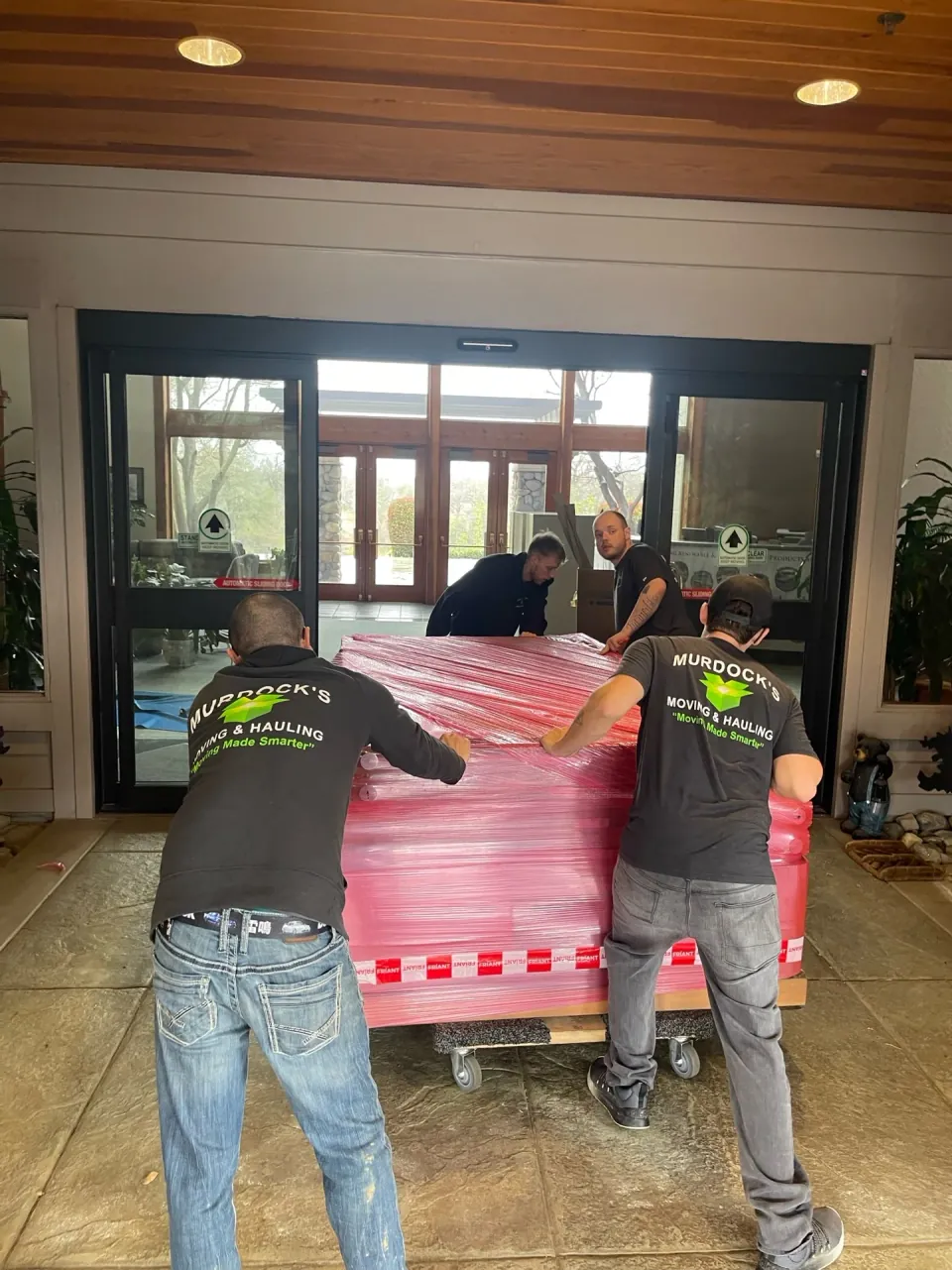
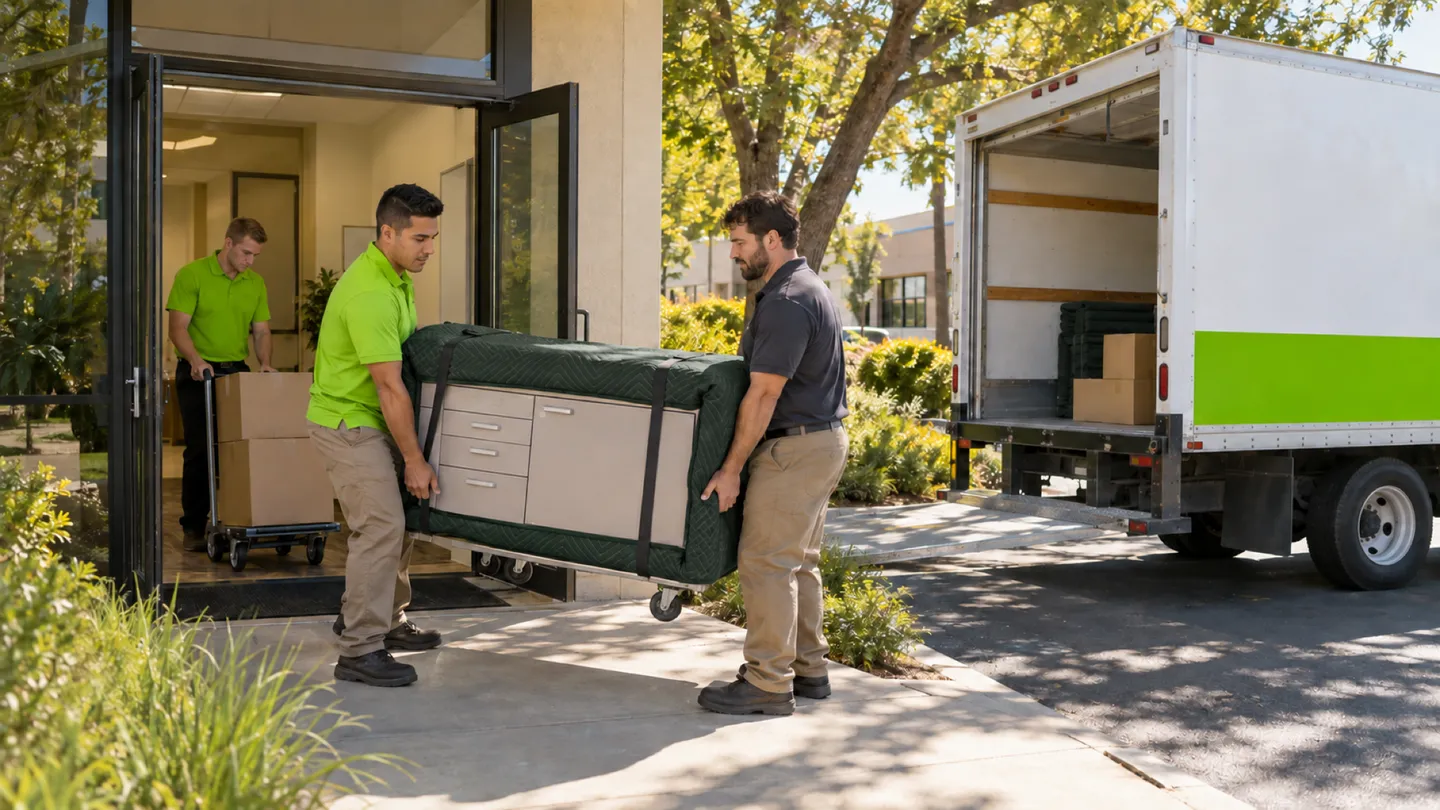
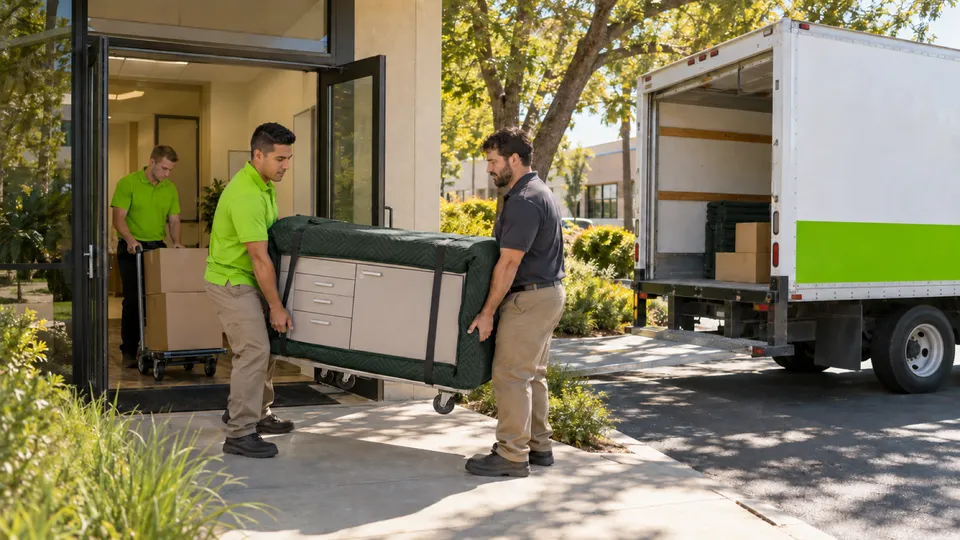
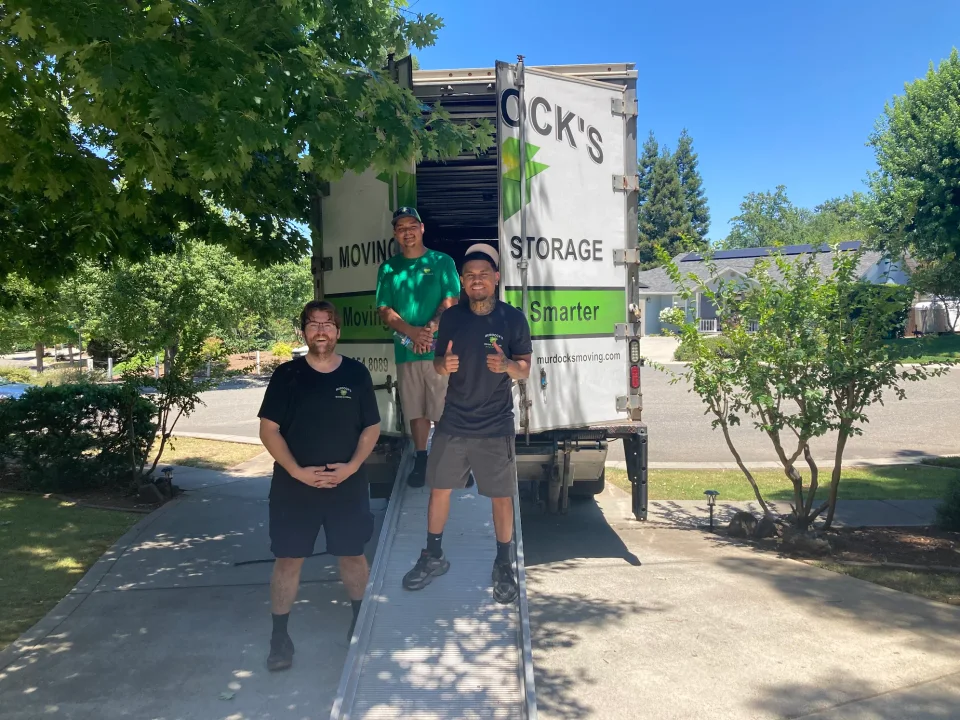
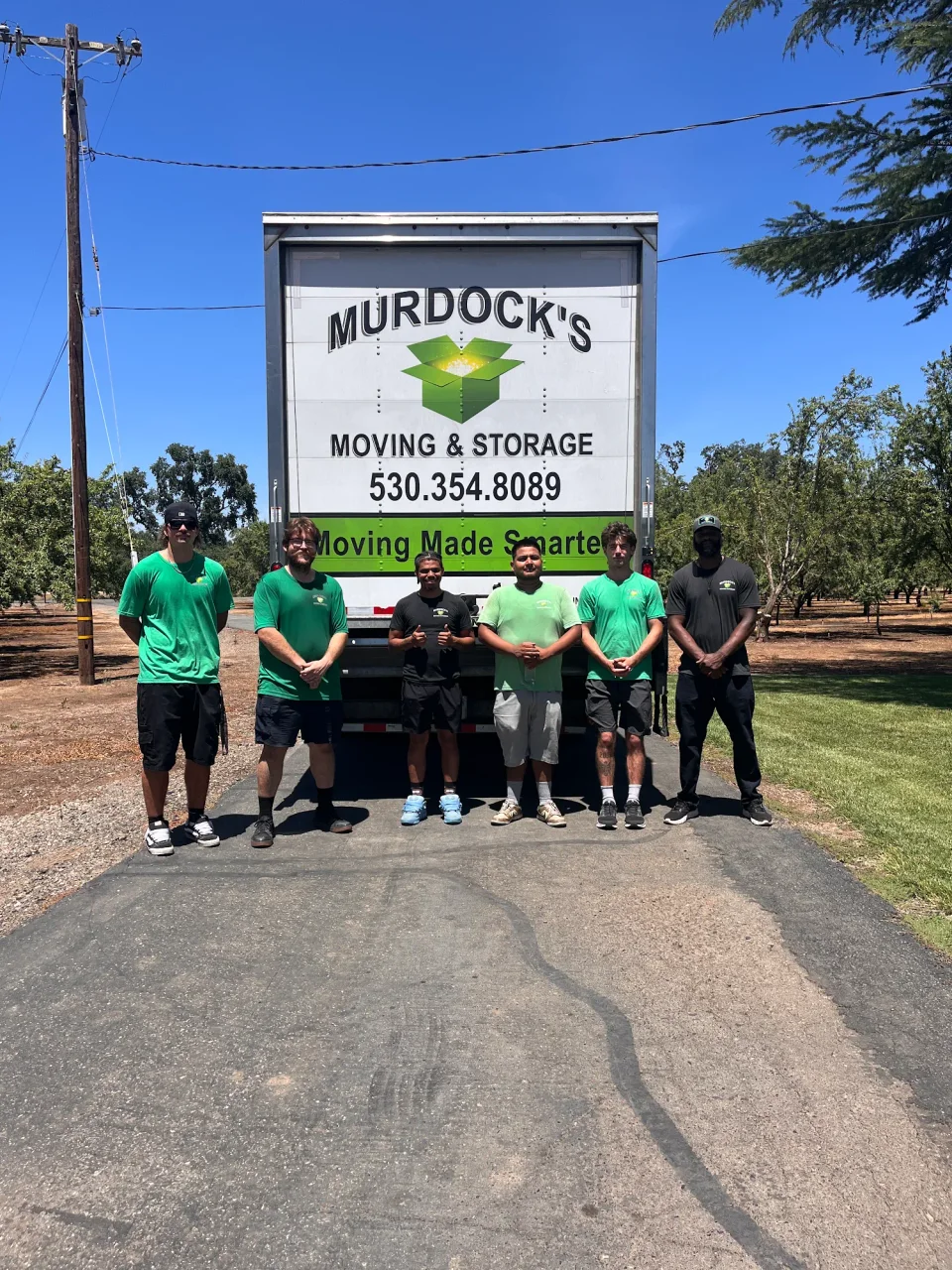
Murdock’s movers working the loading ramp of an open box truckThe Murdock’s crew lined up behind the truck on an orchard road in Butte CountyMurdock’s crew rolling a shrink-wrapped piece on dollies through a building lobby

Medical Office Moving FAQs

Another question? Call (530) 354-8089.

Two of our physicians want the same corner exam rooms. When does that need to be settled?

Before the crew arrives, ideally when you sign off on the new floor plan. Every table, cart and cabinet is tagged to a provider and room number during packing, so a late swap means re-tagging wrapped furniture. If a decision is still open on move day, we stage that provider's group in the hallway and place it once your administrator makes the call.

Our pediatrician wants to see patients until Friday. Can the others move first?

Often, if the building has a route that bypasses the pediatric rooms. Mark which exam rooms stay open, and we move the released providers' groups first. The pediatric rooms, plus the front desk and draw station they rely on, go in the final load, and a Saturday on request keeps that load away from patients.

What should our staff pull out of the exam rooms before packing day?

Anything a patient could be harmed by or identified from: medications, sample stock, sharps containers, instruments and any paper with names on it. Staff also empty the vaccine refrigerator under your storage plan. We can then pack the ordinary supplies left behind, such as gowns, table paper, gauze and tongue depressors, by room and shelf.

Do power exam tables need a technician to move?

Usually not for a straight move. Many power tables can be lowered, unplugged and moved intact on a heavy-duty dolly when the manufacturer's guidance allows it, and we check that against the model. A table bolted to the floor, or one whose base has to be separated, is work for the dealer's technician, and we schedule around their visit.

Plan your business move

Tell us both addresses, the building rules you know about, and the dates you cannot move. We will send back a written plan and estimate.

Call (530) 354-8089

Mon–Sat 8:00 AM–6:00 PM · Sun 10:00 AM–4:00 PM

Call Nowcall530-354-8089