Healthcare & Medical

Urgent Care Moving in Sacramento, Chico and Yuba City

Close after the last evening patient and reopen with check-in, triage, X-ray and a few exam rooms working, while the rest of the clinic follows.

(530) 354-8089
Urgent Care moving in the Sacramento Valley: Murdock's crew at work
  • Licensed & InsuredUSDOT 3421940 · MC 1416634
  • Locally OperatedChico + Yuba City
  • Sacramento ValleyChico · Yuba City · Sacramento

Start your urgent care move quote

verifiedFor estimate purposes onlycredit_card_offNo credit card required

Planning a Urgent Care Move

Urgent care clinics stay open seven days a week and into the evening, so the closure is the whole plan. Most operators want to lock the old door after the last evening patient and open the new one with a working front desk, triage, a few exam rooms and X-ray, then finish the rest while patients are being seen.

Everything is sequenced from that reopening set. The check-in counter, triage station, first exam rooms and the supply shelves that feed them are packed last and unloaded first. Extra exam rooms, the staff lounge and overflow storage can move days earlier or after reopening.

Clinical devices sit outside our scope. The imaging vendor handles the digital X-ray unit, point-of-care analyzers go with the lab vendor or your staff, and the crash cart, AED and emergency medications stay under your medical director the whole time. Our crew moves the furniture, casework and supplies around them.

Who usually signs off
Operations director or site manager, with the medical director approving which rooms must be ready to reopen
Timing that works
Close after the last evening patient, move overnight on request, and reopen when X-ray is back and the first rooms are stocked.

What typically moves

  • Check-in counter and lobby seatingLast packed and first unloaded, so patients can be registered as soon as the new doors open.
  • Triage desk, chairs and supply cartMoved as one group and set beside the door your nurses use to call patients back.
  • Exam tables and procedure stoolsWrapped and tagged with room numbers; the rooms needed for reopening go on the truck last.
  • Suture, splint and wound-care cartsStaff empty and tape the drawers, then the cart travels as its own tagged piece.
  • Supply-room shelving and room-by-room supply cartonsEvery carton carries a room number and shelf, so restocking follows the old layout.
  • Occupational health desks and staff lounge furnitureCan move in an earlier load, since reopening does not depend on them.
  • Check-in computers, wristband and label printersPlugged back in at the matching check-in station; the practice-management and online check-in systems stay with your IT contact.

Access and scheduling

Many urgent care sites are shopping-center pads or end caps, which means a shared parking lot, a landlord's rules on truck placement, and neighboring tenants who do not want a box truck across their entrance at noon. An evening start helps with all three. A suite inside a medical office building near Sutter Roseville or in the UC Davis Medical Center area adds a reserved service elevator and an insurance certificate the property manager will want on file, which we send ahead.

Before the date is set, we need three points on your calendar: when the X-ray vendor can release the old unit and install at the new site, when any imaging paperwork the vendor says the new address needs is in hand, and when your online check-in and map listings switch addresses. We schedule the heavy carrying between them. Summer evenings in the Valley stay hot well after sunset, so the truck is loaded quickly and the doors stay shut between trips.
Protection and handling

The reopening rooms get packed as complete kits. Each triage and exam room's supplies go into cartons marked with the room number and the drawer or shelf they came from, so staff can restock a room without hunting through a pile. Exam tables and procedure stools travel wrapped and tagged, and the suture and splinting cart is emptied by staff, taped and moved as its own piece.

Lobby chair frames are padded and upholstery covered. Check-in counter sections keep their hardware bagged per section. Patient information, specimens, controlled medications and vaccines stay with your staff and move under your practice's plan; we do not open sealed cartons. Wall-mounted otoscope sets, the X-ray room's fixed components and anything plumbed or hard-wired wait for the vendor's technician or an electrician.

Who does what

Some of this job belongs to other trades. The written plan names each one.

Digital X-ray unit and imaging workstation
The imaging vendor removes, installs and tests the unit and handles any paperwork the new address needs. We move the room's furniture after release.
Point-of-care analyzers and refrigerated lab stock
Your lab vendor or clinical staff move and check the analyzers, and staff carry specimens and refrigerated stock. We move the emptied refrigerators.
Crash cart, AED and emergency medications
Your medical director keeps them with staff and in service until the old site closes, then moves them under the practice's plan.

Not part of our work

  • Disconnecting sinks, wall-mounted diagnostic sets or anything wired into the building.
  • Opening, sorting or transporting patient records, specimens or medications.

Around Chico, Yuba City and Sacramento

Urgent care clinics in the Valley often sit on shopping-center pads in north Chico and on the Yuba City side of the Feather River, near the Galleria area in Roseville, and in retail centers in Natomas, Elk Grove and Folsom. Others lease suites near Enloe Medical Center or in the UC Davis Medical Center area. The landlord's rules on where a truck may park shape the loading plan more than the square footage does.

The crew that shows up

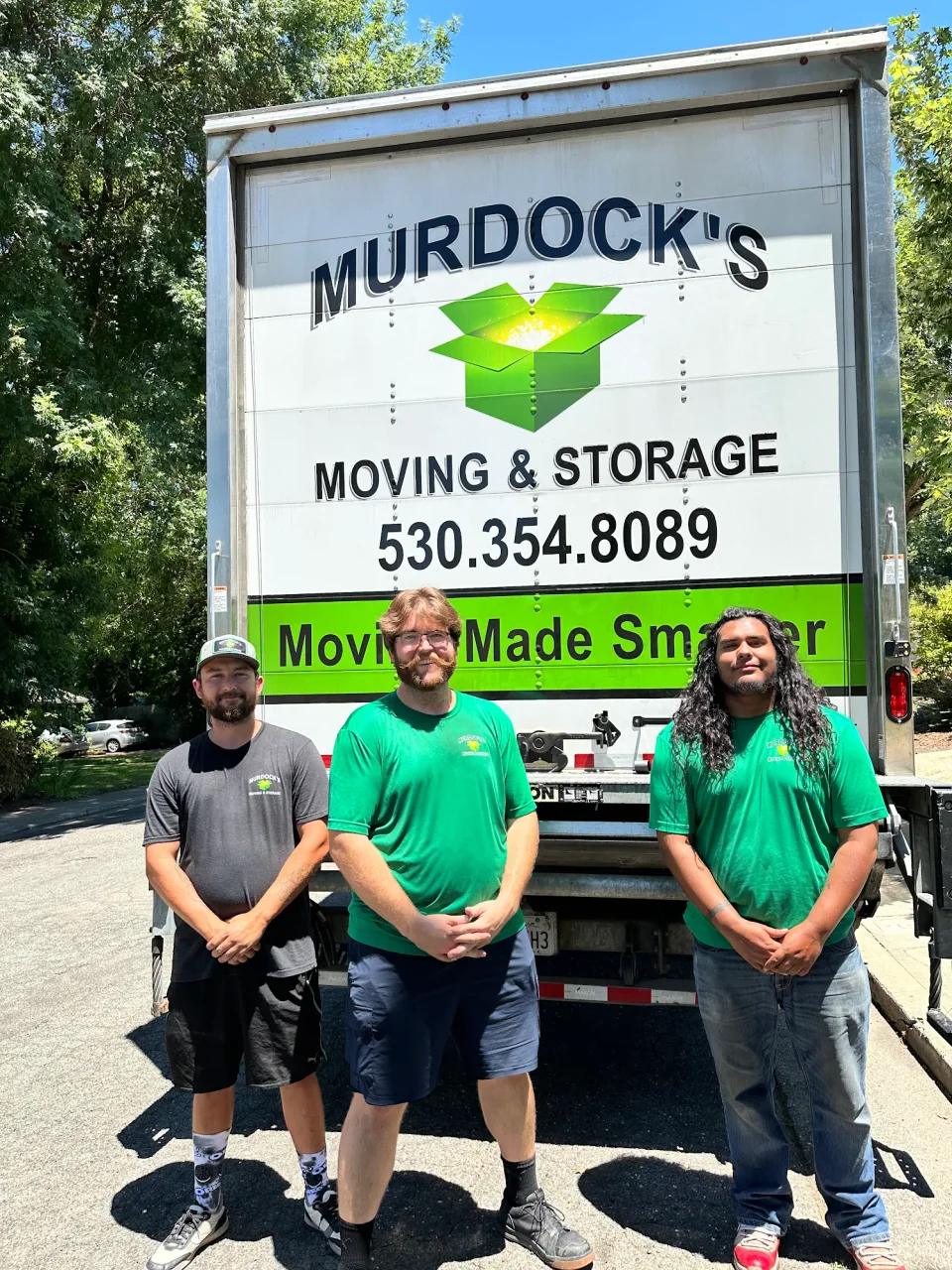
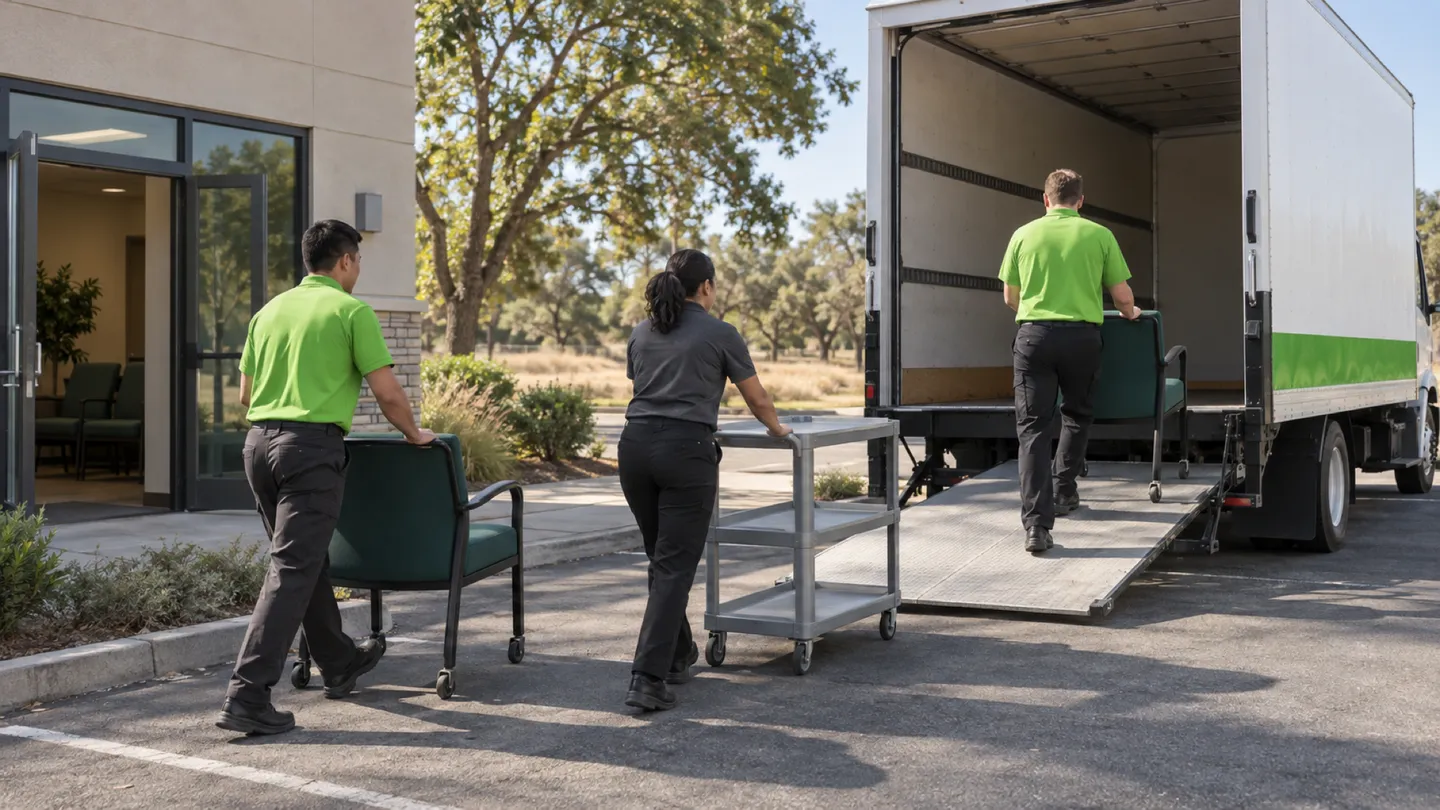
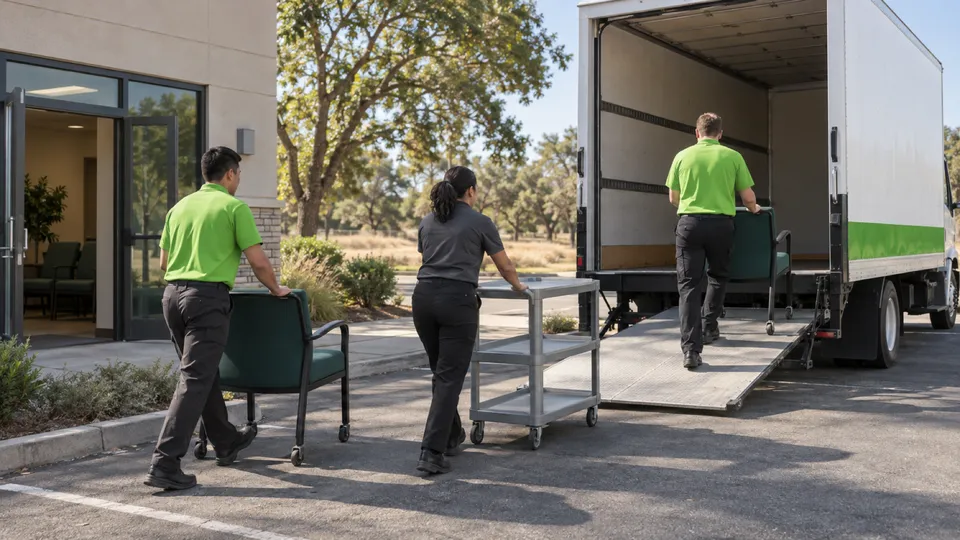
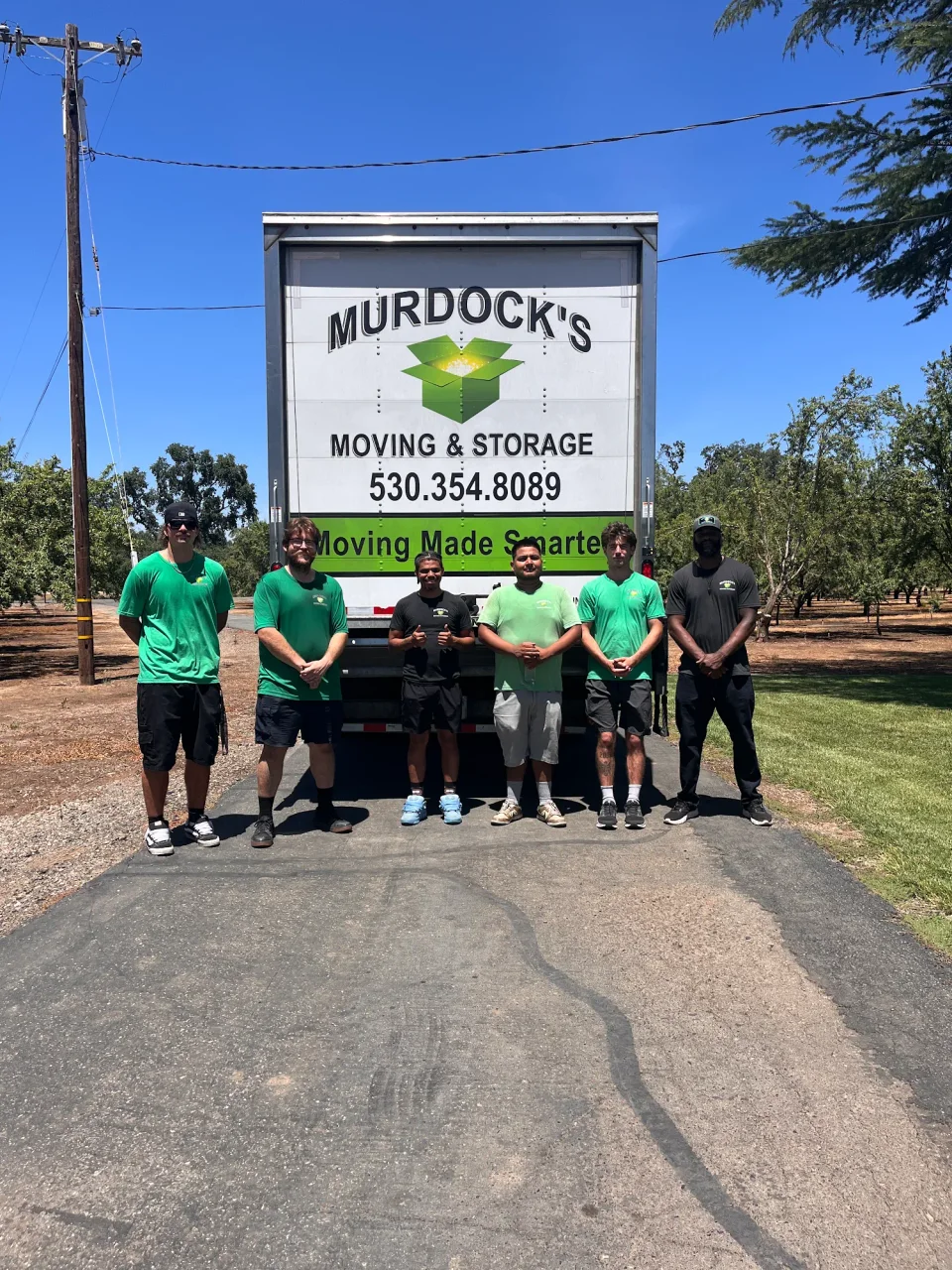
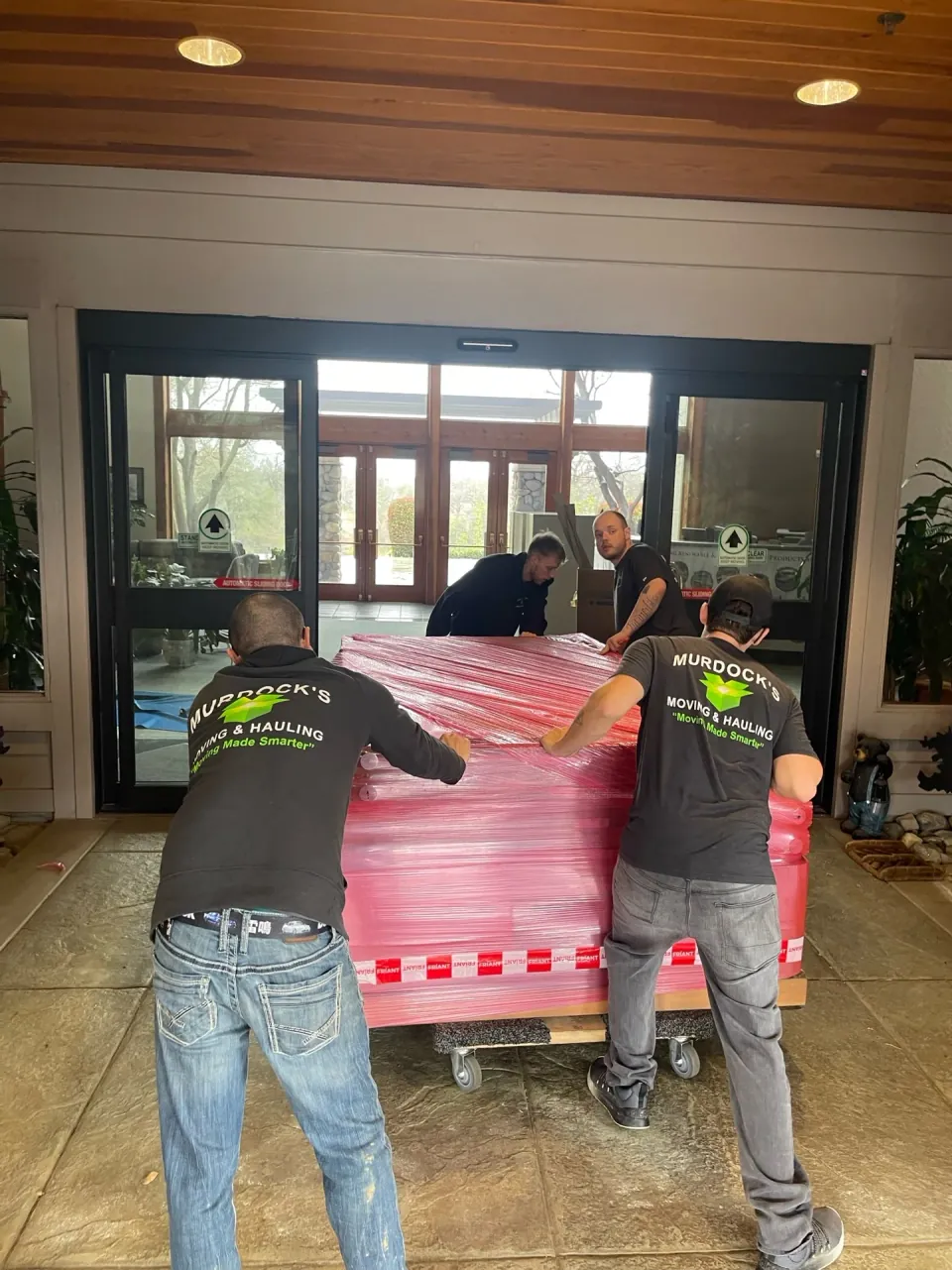
The Murdock’s crew lined up behind the truck on an orchard road in Butte CountyMurdock’s crew rolling a shrink-wrapped piece on dollies through a building lobbyThree Murdock’s crew members at the back of the box truck

Urgent Care Moving FAQs

Another question? Call (530) 354-8089.

Which rooms should be working the morning after an urgent care move?

Most operators pick check-in, triage, X-ray and two or three exam rooms, plus the supply shelves that stock them. Tell us your set and we pack those rooms last and unload them first, each carton marked by room and shelf. The remaining exam rooms and staff areas follow once patients are being seen.

Can the move happen overnight so we only lose one evening of patients?

We can start after your last patient on request and work through the night, as long as both buildings allow access at those hours. Whether you reopen the next morning depends on the X-ray vendor and on staff restocking, not only on the crew, so book the vendor's install first and build the move around it.

Our old and new clinics are about a mile apart. Do we still need a truck plan?

Yes. A short distance cuts the drive, not the loading. Every table, cart and carton still has to be wrapped, tagged, carried and placed, and a shopping-center lot at either end decides where the truck can stand. Short moves do make it practical to run several smaller loads, starting with the reopening rooms.

What do we do about patients who walk into the old clinic after we move?

That is your call, but most clinics post a notice at the old door with the new address, switch their online check-in and map listings on the changeover day, and forward the front-desk line. Ask your landlord what notice you may leave up and for how long. Book the listing change for the same day the doors swap.

Plan your business move

Tell us both addresses, the building rules you know about, and the dates you cannot move. We will send back a written plan and estimate.

Call (530) 354-8089

Mon–Sat 8:00 AM–6:00 PM · Sun 10:00 AM–4:00 PM

Call Nowcall530-354-8089