Commercial Service

Office Expansion and Consolidation in the Sacramento Valley

Before anything moves, every piece gets a tag: moving, staying, or surplus. Then the keepers go to their new zones and the surplus goes where your team decides.

(530) 354-8089
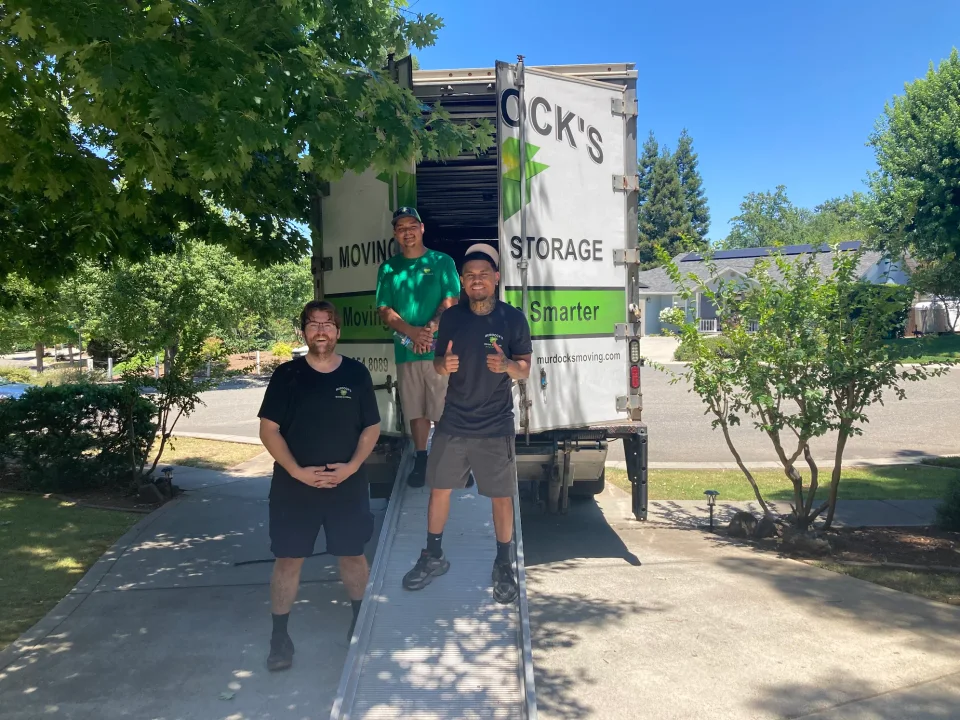
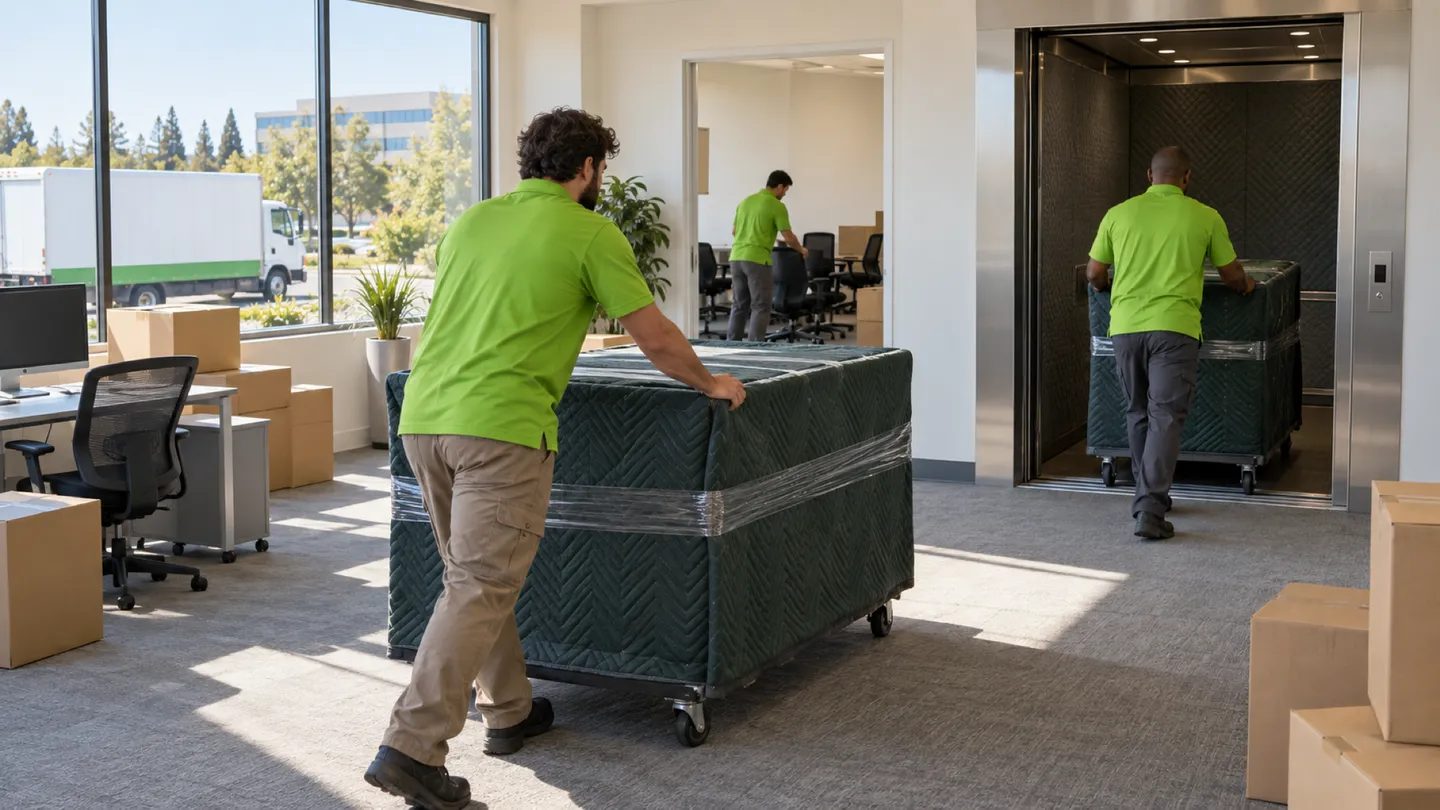
Office Expansion & Consolidation moving in the Sacramento Valley: Murdock's crew at work
  • Licensed & InsuredUSDOT 3421940 · MC 1416634
  • Locally OperatedChico + Yuba City
  • Sacramento ValleyChico · Yuba City · Sacramento

Start your commercial move quote

verifiedFor estimate purposes onlycredit_card_offNo credit card required

How We Plan Office Expansion & Consolidation

Consolidating two suites into one, or growing onto a second floor, is a move with a sorting problem attached. When a Sacramento firm folds two offices into a single floor, it almost always ends up with more desks, chairs and filing cabinets than the new plan holds. When a Roseville company adds a floor, some teams go up, some stay, and shared rooms may exist twice or not at all.

The work starts with a tagging walk, not a truck. Your facilities lead and department heads go through every room with the new floor plan, and each piece gets a colored tag: moving to a named zone, staying where it is, or surplus. Anything without a tag is a question to answer before move day, not during it.

Then the crew moves the tagged keepers to their new zones in the order people will arrive, and handles surplus as a separate stream: to a buyer, a donation pickup, a recycler, or a holding room your landlord allows until it goes. For the wider relocation, see office moving.

Who usually signs off
Facilities lead or office manager, with department leads approving the new seating plan and surplus list
Timing that works
Around the date the added floor or combined suite is handed over and the date the vacated space is due back, with surplus cleared before the lease-end walkthrough.

What typically moves

  • Workstations for the teams that relocateTagged with the new floor and zone, moved in team order, and set to the new plan before staff arrive.
  • Private-office furniture in a denser layoutConsolidations often lose private offices; desks and credenzas that no longer fit are tagged surplus at the walk.
  • Duplicate break-room and conference furnitureYour team picks which set survives. The other goes to surplus, another branch or a donation partner.
  • Lateral files from two merged filing systemsStaff purge and combine records first; the crew moves the cabinets that remain, with drawers labeled for the new file room.
  • Surplus furniture going outStaged in one room, then loaded for the buyer, donation partner, recycler or hauler your team chooses.
  • Desk computers and monitors for relocated staffTravel with each team's workstations and are cabled up again at the new seats.

Access and scheduling

Two spaces with different calendars. The added floor or combined suite becomes available on a handover date from your landlord or contractor; the vacated space has a return date in the lease. We plan the moving stream inside that gap and the surplus stream right behind it, so the vacated rooms are clear before the landlord walks them.

If the new floor is in the same building, most of the work runs through the freight elevator and may not need a truck; ask the property manager for elevator blocks and whether they need to see our insurance certificate. If the suites are in different buildings, parking and dock rules apply at both. Surplus pickups are often the slowest part, because donation partners and buyers set their own dates. Book them before move day, and ask your landlord in writing whether any furniture may be left for the next tenant.
Protection and handling

Tags do the protecting in a consolidation. A duplicate desk that ends up in the new suite takes someone's floor space and then has to be moved out again. The crew checks each piece's tag against the plan as it loads, and anything untagged waits for your facilities contact rather than going on the truck by default.

Keepers are pad-wrapped, with hardware bagged to the piece, and set to their zone on arrival. Surplus is handled with the same care until your team says otherwise, since a donation partner or buyer may reject a damaged piece. The crew stages surplus in one room so it can be counted, photographed for buyers, and picked up without anyone searching the building. When both spaces are done, the crew lead walks the vacated rooms with you and lists anything still waiting for pickup.

Who does what

Some of this job belongs to other trades. The written plan names each one.

Keep, move and surplus decisions
Your facilities lead and department heads tag every piece during the walk. The crew moves what the tags say.
Leased copiers and multifunction printers
The copier dealer or leasing company moves, returns or relocates leased machines, often with its own technician. The crew works around their visit.
Donation, resale and recycling of surplus
Your team chooses the buyer, charity or recycler and schedules the pickup. The crew stages and loads the surplus for them.

Not part of our work

  • Deciding which furniture is surplus or who receives it.
  • Repairing or restoring the vacated suite for lease return.

Around Chico, Yuba City and Sacramento

Consolidations are common where leases turn over in clusters: office floors around the Capitol Mall and J Street in Sacramento, the Natomas office parks, and the Roseville and Rocklin office parks along I-80. In Chico and Yuba City, an expansion more often means taking the neighboring suite in the same building, sometimes after the contractor opens the wall between the two.

The crew that shows up

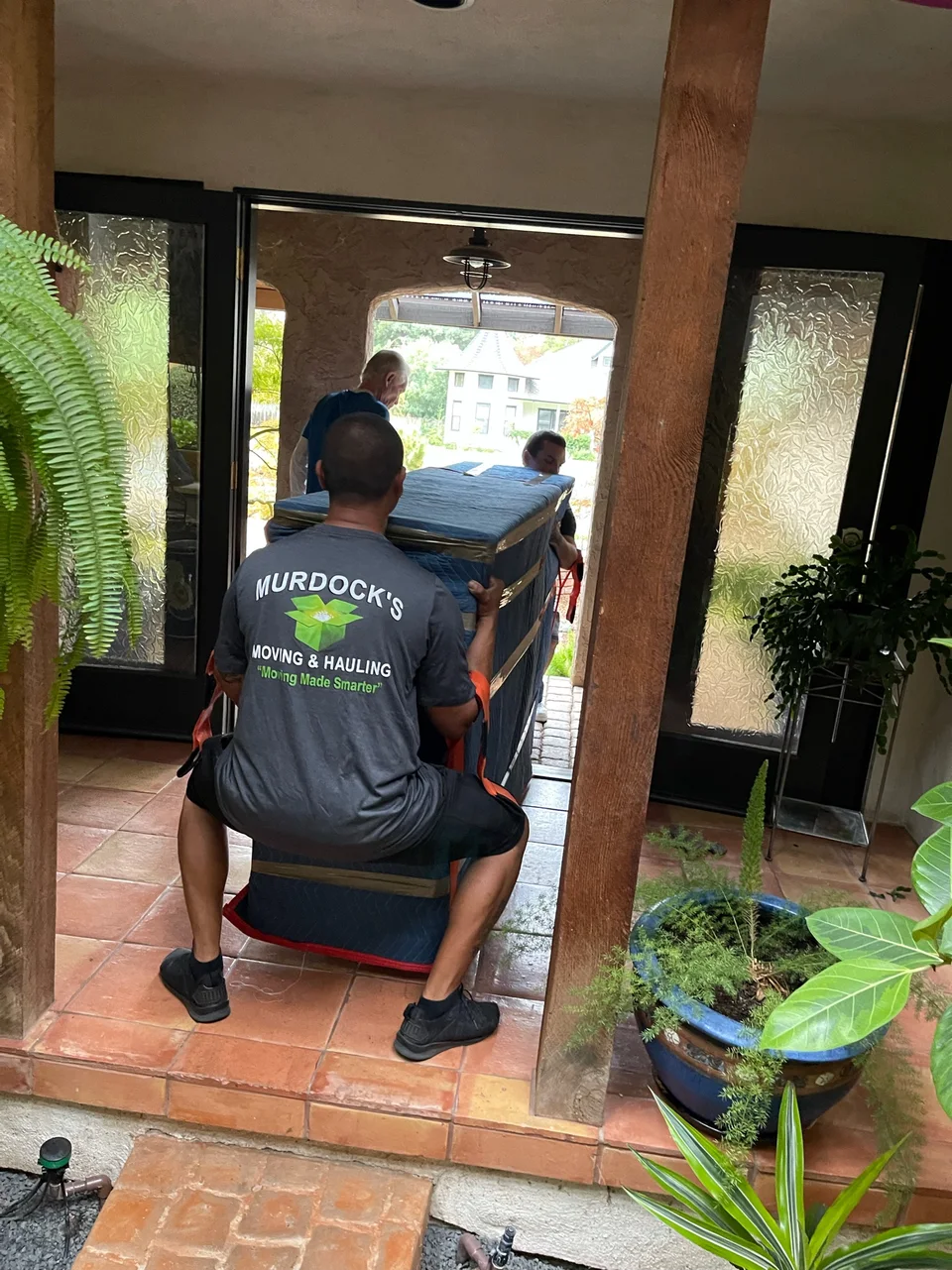
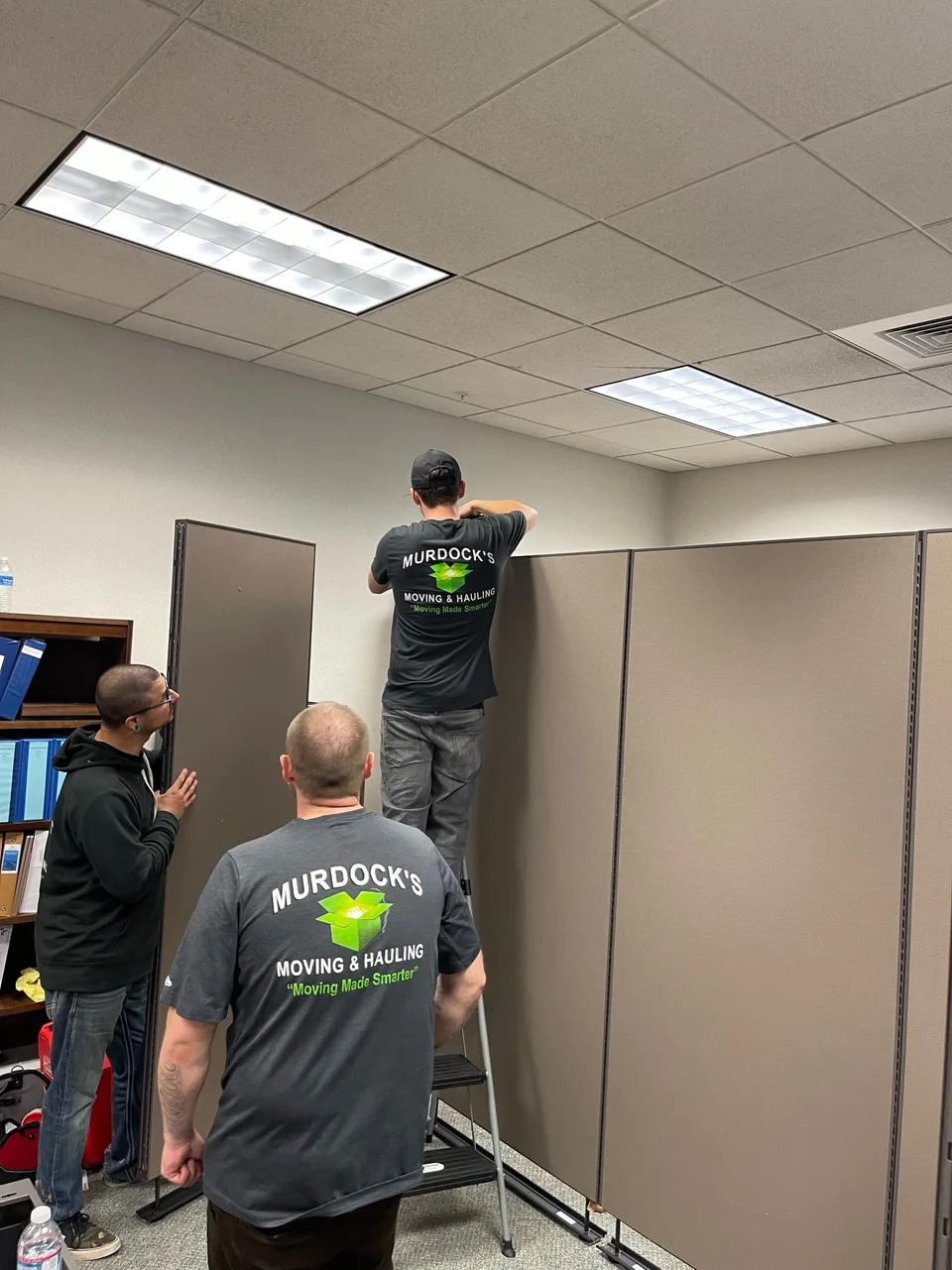
Murdock’s crew carrying a pad-wrapped piece through a tiled entrywayMurdock’s crew rebuilding cubicle panels in an office, one mover on a step ladderMurdock’s movers working the loading ramp of an open box truck

Office Expansion & Consolidation FAQs

Another question? Call (530) 354-8089.

How do we keep extra desks from ending up in our combined suite?

Tag every piece during the walk, before anything is packed, and treat untagged pieces as undecided. The crew loads only tagged keepers for the new suite and checks each tag against the plan at the truck. Surplus is staged separately, so a duplicate desk never takes a spot on the new floor.

Can one team move upstairs while another stays where it is?

Yes. The teams that move get tags with the new floor and zone. The teams that stay get staying tags, and the crew leaves those pieces alone. Your IT contact prepares the added floor's network before the first team goes up, so the moved desks can be used the next morning.

What can we do with the furniture that does not fit the new footprint?

Your team decides: sell it to a used-furniture buyer, give it to a charity or school, send it to another office, recycle it, or ask the landlord in writing whether it can stay for the next tenant. The crew stages it in one room, then loads it for whichever pickup you arrange.

Who moves our leased copier when two offices merge?

Usually the copier dealer or leasing company. Many copier service agreements expect their own technician to handle a move, and a surplus machine may simply go back to the lessor. Call them early, because their schedule can set the day. The crew keeps the path clear and moves everything around it.

Plan your business move

Tell us both addresses, the building rules you know about, and the dates you cannot move. We will send back a written plan and estimate.

Call (530) 354-8089

Mon–Sat 8:00 AM–6:00 PM · Sun 10:00 AM–4:00 PM

Call Nowcall530-354-8089