Commercial Service

Lease-End Furniture Clearance and Donation Coordination

Surplus furniture tagged by outcome, recipients confirmed by your team, loads delivered on each recipient's hours, and the suite walked before handback.

(530) 354-8089
Decommissioning & Donation Coordination moving in the Sacramento Valley: Murdock's crew at work
  • Licensed & InsuredUSDOT 3421940 · MC 1416634
  • Locally OperatedChico + Yuba City
  • Sacramento ValleyChico · Yuba City · Sacramento

Start your commercial move quote

verifiedFor estimate purposes onlycredit_card_offNo credit card required

How We Plan Decommissioning & Donation Coordination

At the end of a lease, the furniture that is not coming along still has to go somewhere, and landlords expect it gone before the walk-through. Most offices have more of it than they think: workstations that do not fit the new plan, worn task chairs, filing cabinets emptied by a scanning project, a storeroom of old monitors. This service clears it in an order that suits your recipients and the landlord's restoration checklist.

It runs in four steps. First we walk the suite with your facilities lead and tag each piece: moving with you, donate, recycle or dispose. Second, your team confirms each recipient and what it will actually take, since charities and schools are often selective about cubicles and worn seating. Third, your IT team pulls or wipes the drives from any computer leaving the building. Fourth, the crew takes apart what needs it, loads by recipient, delivers on each one's receiving hours and walks the empty suite with you.

For the furniture you keep, see office moving.

Who usually signs off
Tenant facilities lead or business owner approving the item list, recipient plan and landlord handoff
Timing that works
After your team has taken what it is keeping and before the restoration contractor and final inspection; recipient receiving hours set the order of the last days.

What typically moves

  • Panel workstations bound for reuseTaken apart station by station with hardware bagged, so the school or nonprofit receives something it can rebuild.
  • Task chairs sorted by conditionGood chairs go to your donation recipient; torn or broken ones go to recycling or disposal, as you decide.
  • Steel filing cabinets and bookcasesEmptied and unlocked by your staff; empty steel cabinets usually suit a scrap metal recycler.
  • Monitors, printers and desk electronicsKept apart from furniture and taken to the electronics recycler you choose, after your IT team clears the drives.
  • Conference and breakroom tablesTops and bases stay together so the recipient gets a complete table.
  • Storeroom shelving and leftover suppliesYour team sorts the supplies; freestanding shelving comes down and is routed with the rest.

Access and scheduling

Recipients keep their own hours. A school district warehouse may receive only on weekday mornings, a nonprofit may want a call first, and an electronics recycler may have a drop-off window. Your team confirms those, and we plan each truck for one recipient with the right pieces on it. Anything without a confirmed destination stays in the suite until it has one.

The building still has other tenants. We ask the property manager about dock time, booking the freight elevator and whatever insurance certificate the landlord requires, and send it ahead. A full floor often takes more than one visit: reuse pieces first while recipients are waiting, then recycling and disposal loads. Evening work is available on request when daytime dock traffic is heavy.
Protection and handling

A donated desk is only useful if it arrives whole, so reuse pieces get the same pads, corner guards and hardware bags as furniture going to your new office. Disposal loads are handled more simply, but the building still gets runners, frame guards and padded elevator walls, because the landlord will notice a gouged corridor sooner than a missing chair.

Electronics travel on their own. California does not allow many electronic devices, monitors among them, to go in the trash, so they go to the recycler you choose. Your IT team removes or wipes drives before the crew touches the computers, and the crew does not destroy data or issue certificates for it. After the last load, you get a list of what went where.

Who does what

Some of this job belongs to other trades. The written plan names each one.

Choosing and confirming donation recipients
Your team chooses the charities and schools and checks which pieces each one wants. We deliver the tagged pieces to their door or dock.
Electronics recycling and drive wiping
Your IT team clears the drives, and your chosen electronics recycler handles the equipment and any certificates.
Built-in casework, cabling and surface repairs
Your restoration contractor and licensed trades, once the suite is empty.

Not part of our work

  • Choosing a recipient, or telling you that one will accept a load.
  • Wiping drives, destroying data or certifying either.
  • Removing built-ins or declaring the suite ready to hand back.

Around Chico, Yuba City and Sacramento

Recipients differ by county. A Chico office may find takers among Butte County schools and nonprofits, while a Sacramento or Roseville office has more options but longer drives between them. Electronics recyclers and scrap yards sit along the Hwy 99, I-5 and I-80 corridors. Confirming recipients early lets us route loads without backtracking across the Valley.

The crew that shows up

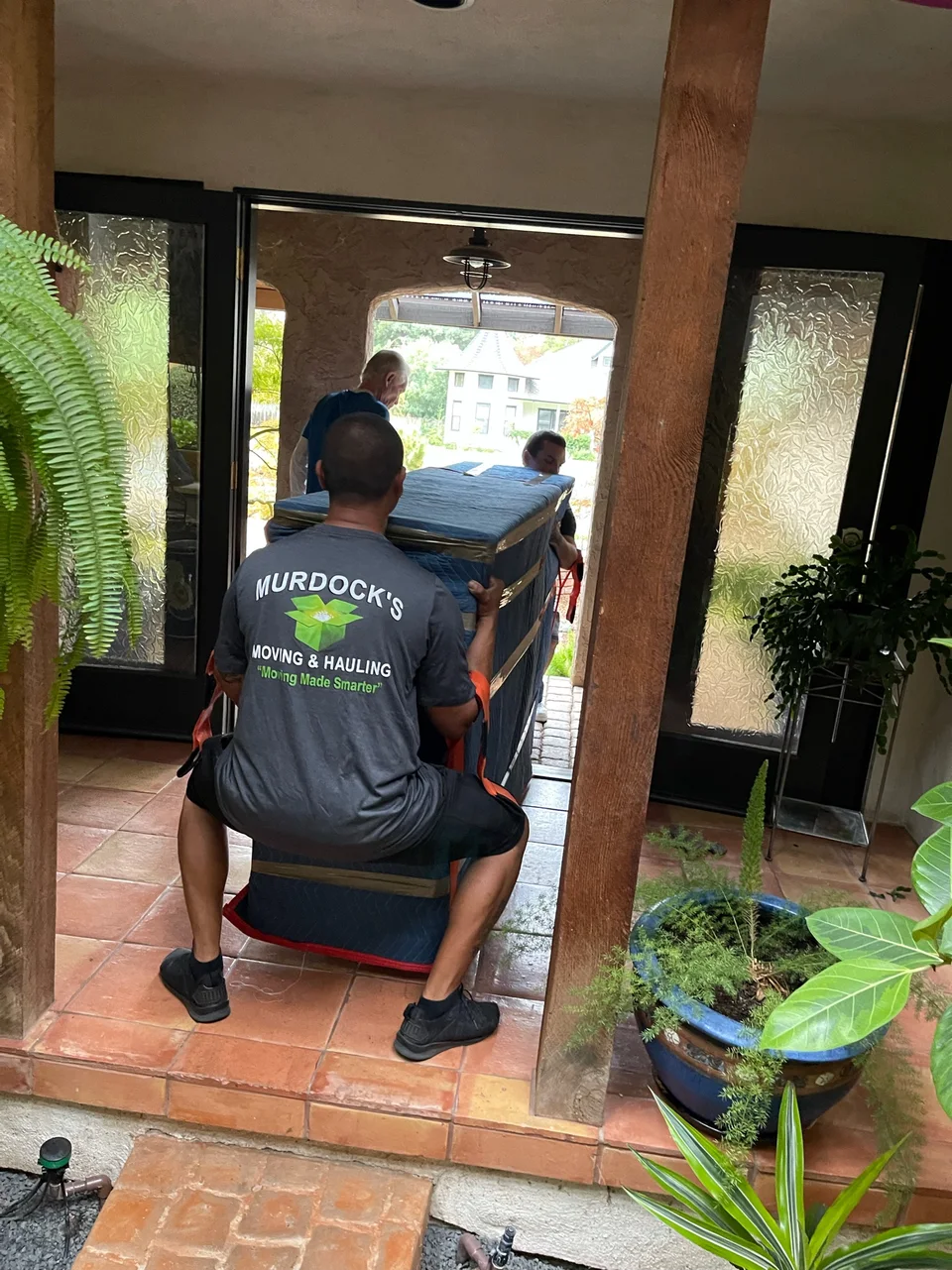
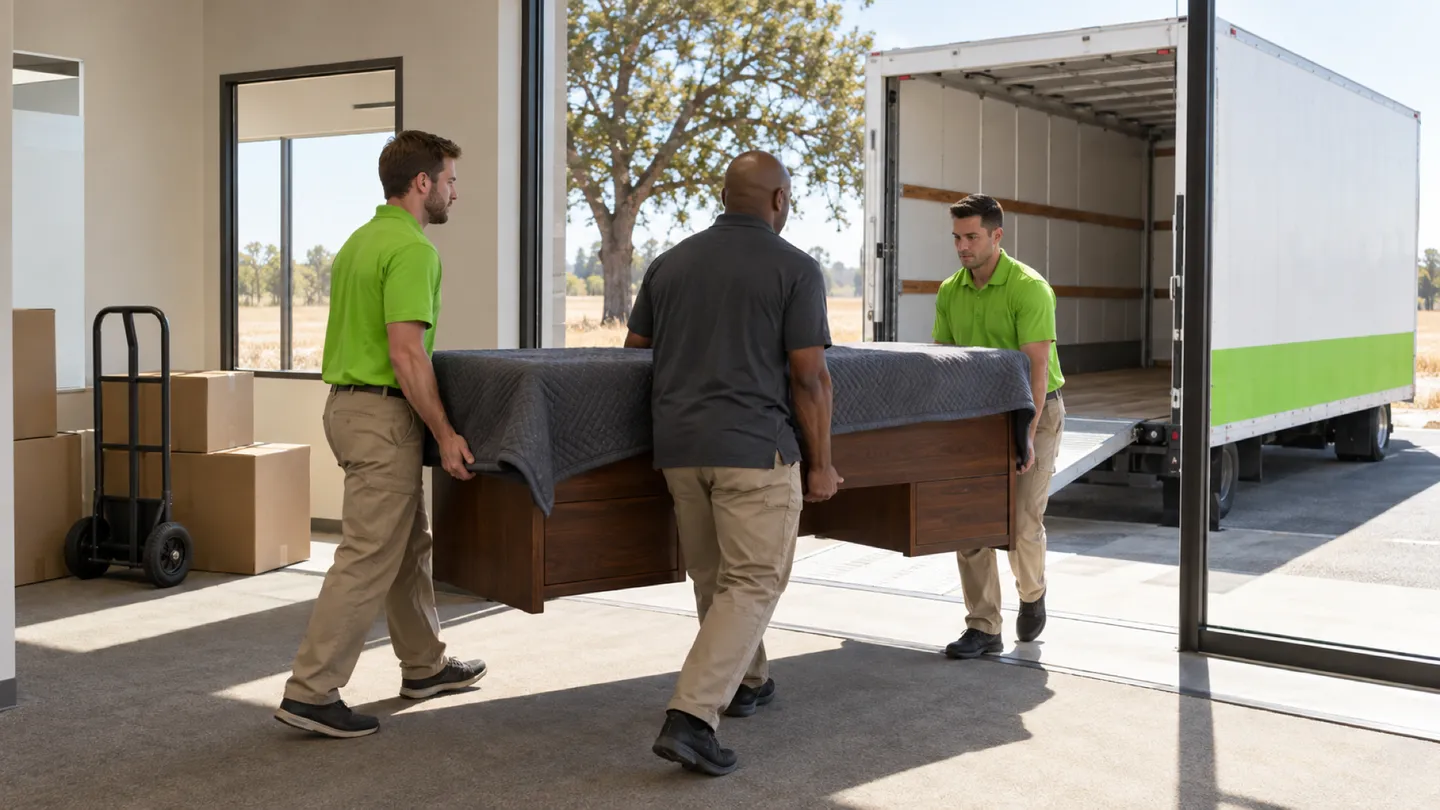
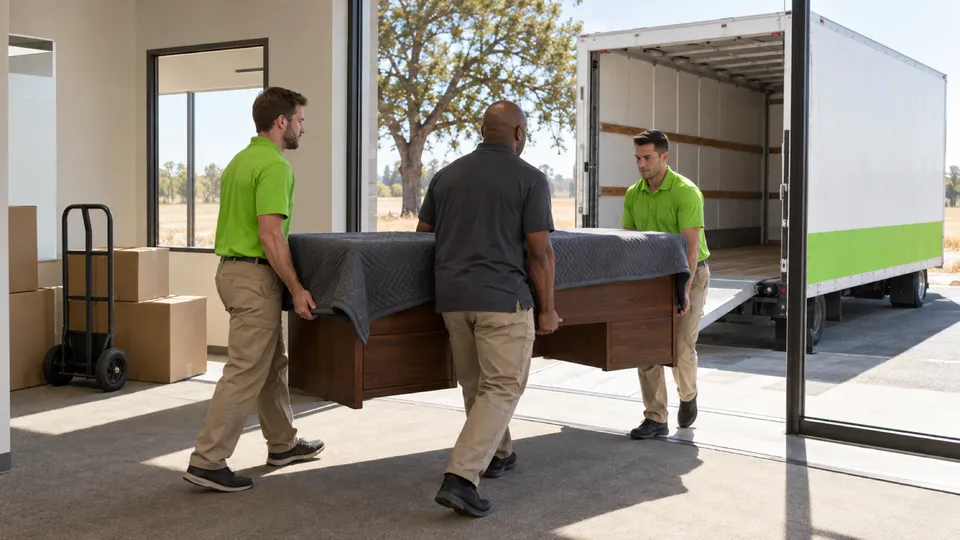
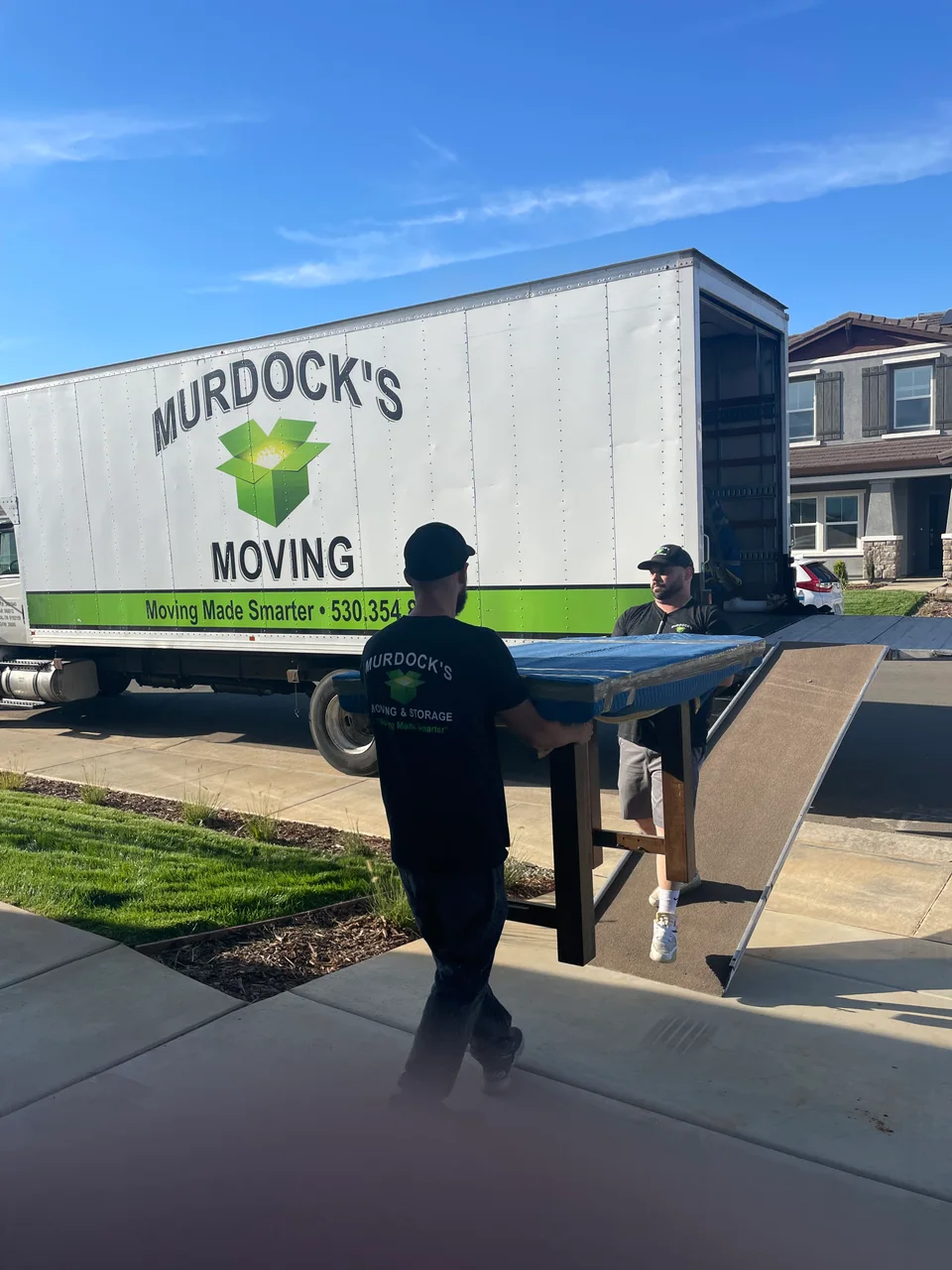
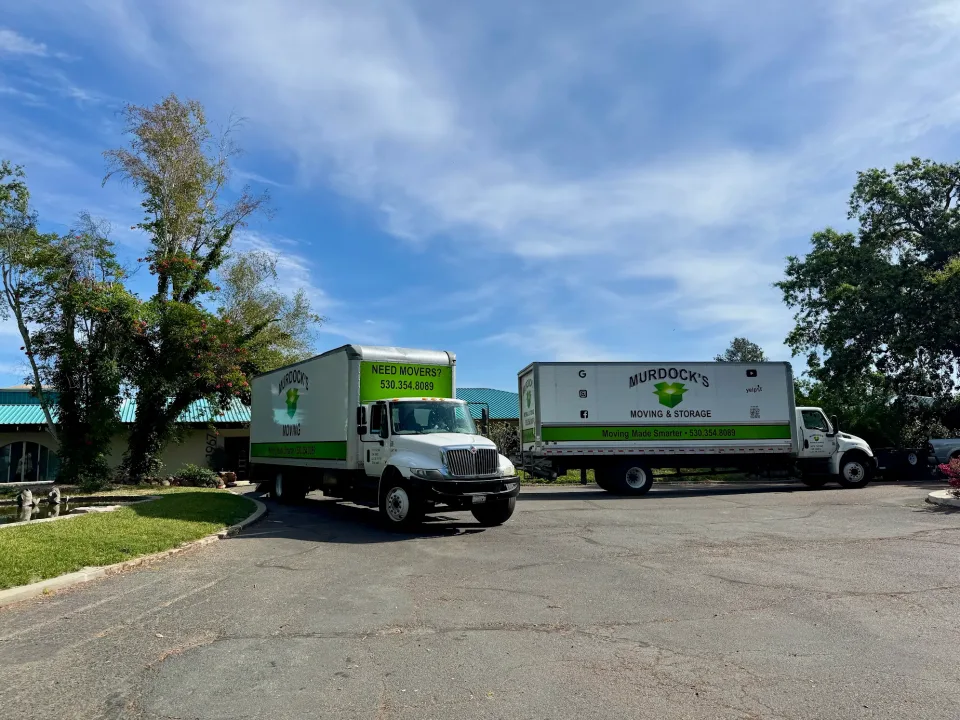
Two Murdock’s movers carrying a pad-wrapped table up the truck rampTwo Murdock’s box trucks staged outside a single-story building in the Sacramento ValleyMurdock’s crew carrying a pad-wrapped piece through a tiled entryway

Decommissioning & Donation Coordination FAQs

Another question? Call (530) 354-8089.

What do charities and schools usually refuse from an office clearout?

It varies, so ask each one. Common refusals are panel cubicles without a layout drawing, stained or torn chairs, particleboard pieces that have been taken apart before, and anything missing parts. Send recipients photos and counts before the pickup date. Whatever they decline goes to recycling or disposal, as your team decides.

Do we get a record of where our surplus furniture went?

Yes. After the last load we send a list by recipient: what went to each donation partner, what went to the electronics recycler and what went to disposal. Donation receipts come from the recipients themselves, and electronics certificates come from the recycler.

Can surplus be cleared before our move instead of after?

Often that is easier. If the surplus is tagged and recipients are confirmed, we can clear it in the days before the move, which leaves the moving crew less to work around. Pieces you are keeping stay tagged so they never end up on the wrong truck.

What happens to items nobody has tagged?

They stay in the suite until your facilities lead gives them an outcome. We do not decide what counts as surplus or where it goes. On the final walk we point out anything untagged, so your team can decide before the landlord's inspection.

Plan your business move

Tell us both addresses, the building rules you know about, and the dates you cannot move. We will send back a written plan and estimate.

Call (530) 354-8089

Mon–Sat 8:00 AM–6:00 PM · Sun 10:00 AM–4:00 PM

Call Nowcall530-354-8089