Commercial Service

Phased Office Moves in the Sacramento Valley

Departments move in waves, each with its own color, date and destination, sometimes through swing space, all inside the dates your two leases overlap.

(530) 354-8089
Phased Office Moves moving in the Sacramento Valley: Murdock's crew at work
  • Licensed & InsuredUSDOT 3421940 · MC 1416634
  • Locally OperatedChico + Yuba City
  • Sacramento ValleyChico · Yuba City · Sacramento

Start your commercial move quote

verifiedFor estimate purposes onlycredit_card_offNo credit card required

How We Plan Phased Office Moves

Not every office can move in one weekend. A Sacramento agency renovating its own floor, a Roseville company whose new building opens a floor at a time, or a Chico firm that cannot close its front counter for a day all end up moving in waves. The question stops being how much fits on a truck and becomes who moves when, and where they sit in between.

A phased move starts with a wave plan. Your facilities lead lists departments and what each depends on: reception and the mailroom usually need to be where visitors arrive, a finance team may need to stay near its files until month end, and IT often goes first so the new space is ready for everyone else. Each wave gets a color, a date and a destination.

Some waves go straight to their permanent seats. Others stop in swing space, temporary seats while their permanent area is finished, and move again later. That second move is planned from the start rather than improvised. For a single-weekend relocation, see office moving.

Who usually signs off
Facilities lead or office manager who approves the department order with team leads and the property managers
Timing that works
The overlap between the old lease's last day and the new space's first, divided into waves one or two weeks apart, each usually moved over an evening or weekend on request.

What typically moves

  • Each wave's workstations and chairsLabeled in that wave's color with the destination room and seat, so wave-two cartons never ride with wave one.
  • Swing-space desks and pedestalsCarry two destinations, the temporary seat and the final one, so the second move is already labeled.
  • Department file cabinets still in daily useStay in the old space until their department's wave, then move with the people who use them.
  • Reception, mailroom and shared print areasUsually placed in an early wave so visitors and deliveries find the new front door working.
  • Conference rooms and training roomsMoved in the wave that makes them useful to the teams already in the new space.
  • Wave desk computers and monitorsMoved and plugged back in with their department, after IT confirms the destination ports are live.

Access and scheduling

Two dates frame the whole plan: when the new space can accept furniture and when the old one must be empty. Every wave fits between them. Ask your landlords early how long an overlap they will allow, because the overlap decides how many waves fit and how far apart they can be.

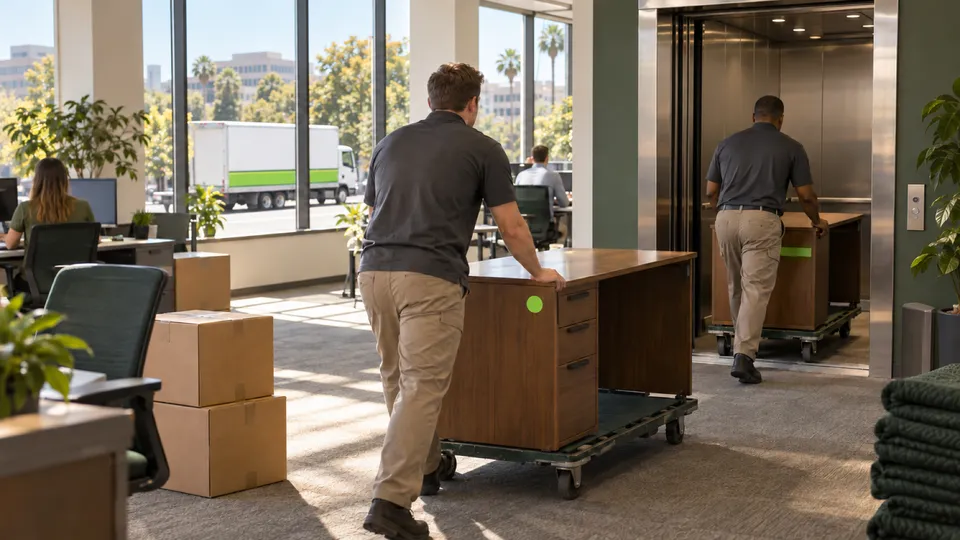
Waves are commonly spaced a week or two apart, which gives each department time to settle and gives your facilities lead a chance to adjust the next wave. Each wave has its own elevator booking, dock time and parking at both buildings, and a shared building may want our insurance certificate before every booking, not just the first. On request, most waves are moved after closing or on a Saturday, so the departments still working in the old space avoid sharing corridors with carts. Swing space needs its own access, too: a floor under renovation may have contractor rules for when furniture can pass through.
Protection and handling

Phased moves fail at the labels, because the old space is still occupied while pieces are leaving it. Each wave's labels carry its color, the destination room and seat, and a second destination if the piece is headed to swing space first. Before loading, the crew checks every piece against that wave's list. Anything labeled for a later wave stays put, even if it is blocking a hallway.

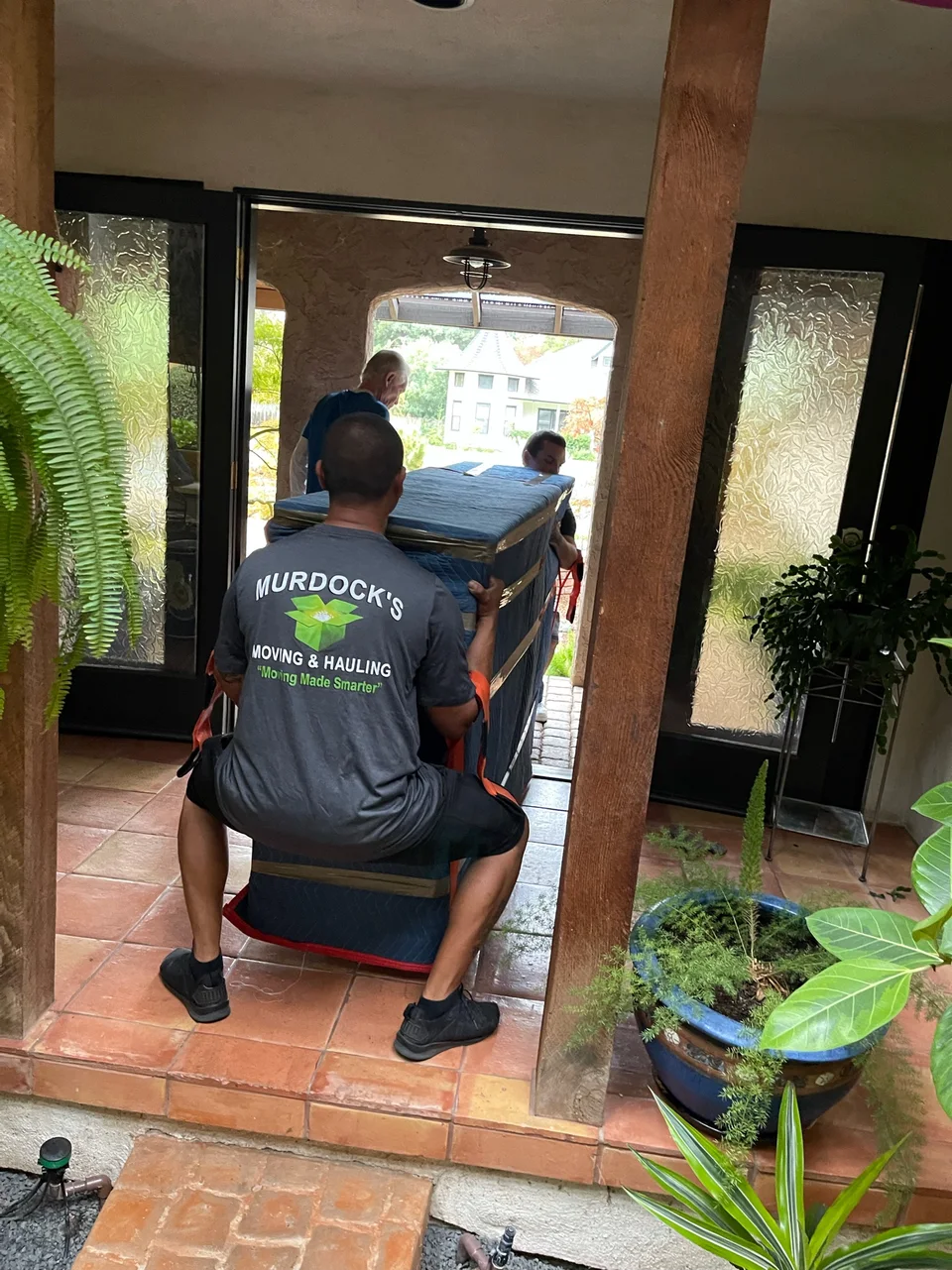
Furniture is pad-wrapped and hardware stays with its piece. In an occupied building, carts use the route and hours your facilities contact approves, and the crew keeps corridors and exits clear between trips. After each wave, the crew lead and your facilities contact walk the new area and the vacated one, noting anything misplaced and anything the next wave should do differently.

Who does what

Some of this job belongs to other trades. The written plan names each one.

Wave order, swing-space seating and department dependencies
Your facilities lead and department heads decide who moves when and where they sit in between. The crew moves each wave to its approved destination.
Lease overlap, possession dates and building rules
Both landlords confirm access and turnover dates. The crew schedules waves inside them.
Network and phones at swing seats and permanent seats
Your IT contact has each destination ready before its wave arrives. The crew plugs in desk equipment once furniture is placed.

Not part of our work

  • Deciding department order or who uses swing space.
  • Construction, cleaning or repairs between waves.

Around Chico, Yuba City and Sacramento

Phased moves are routine in state and county offices in downtown Sacramento, where a floor can be renovated while its department works from swing space elsewhere in the building. Roseville and Rocklin campuses that open buildings in stages, and Chico and Yuba City offices that must keep a public counter open, use waves for the same reason: part of the office has to keep working.

The crew that shows up

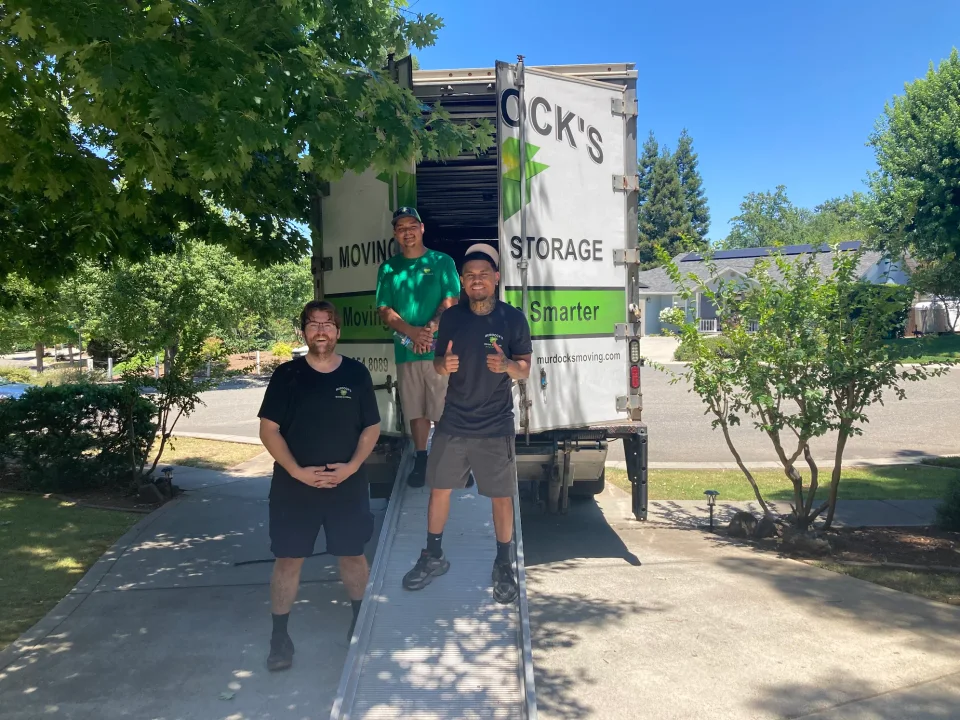
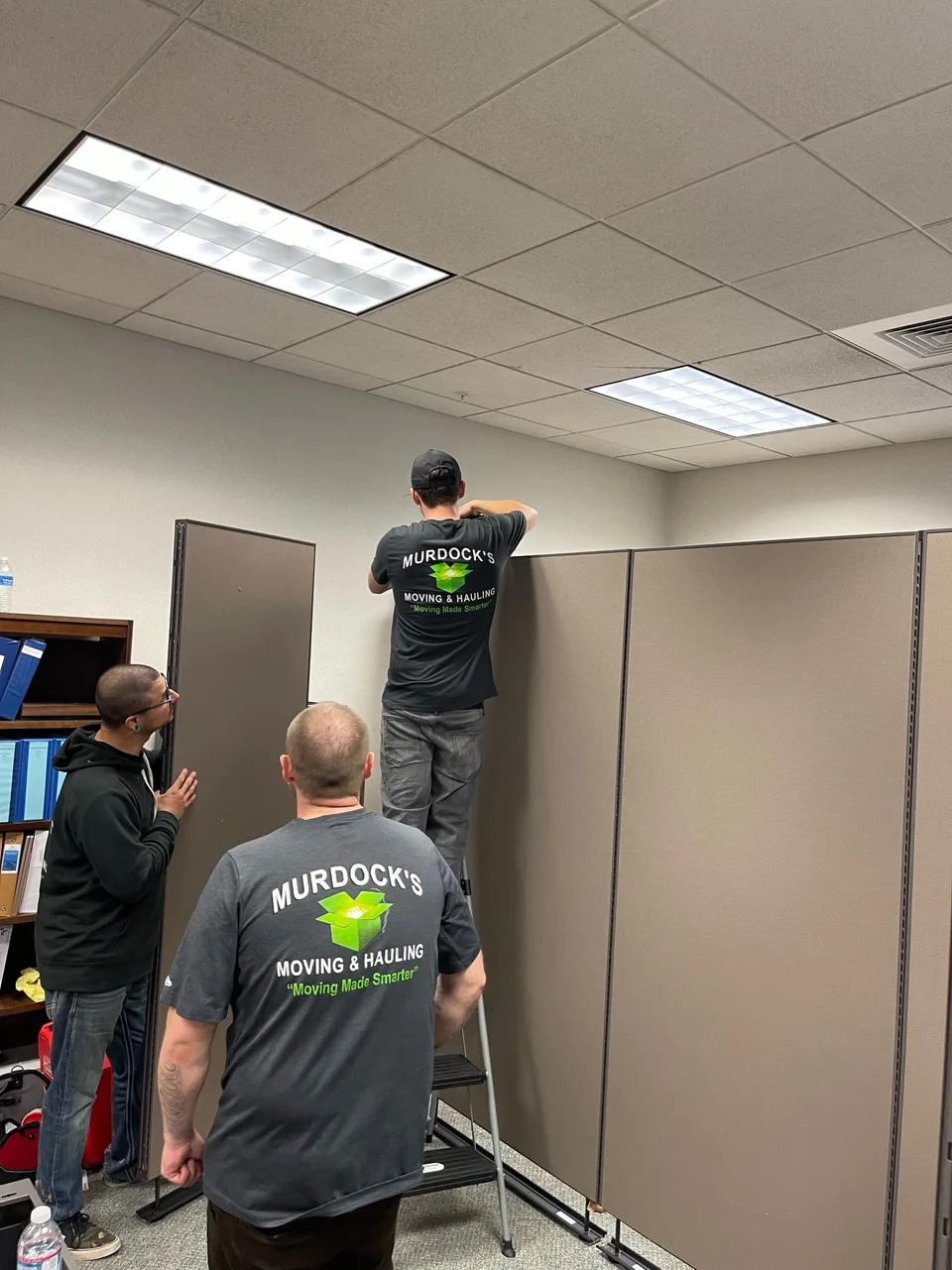
Murdock’s crew carrying a pad-wrapped piece through a tiled entrywayMurdock’s crew rebuilding cubicle panels in an office, one mover on a step ladderMurdock’s movers working the loading ramp of an open box truck

Phased Office Moves FAQs

Another question? Call (530) 354-8089.

How do we label desks that stop in swing space before their final seats?

Give each swing-space piece two destinations on the plan: the temporary seat and the permanent one. The crew labels both at the first move, in that wave's color, and the second move follows the same label. If seating changes in between, your facilities lead updates the plan and the crew relabels before the second move.

How far apart should the waves of a phased office move be?

A week or two apart works for many offices. That gives each department a few days to settle and report what went wrong before the next one moves. Tighter spacing is possible if the overlap is short, but it leaves less time to fix problems between waves.

Can a department keep working in the old space while another moves out?

Yes. The moving wave's pieces carry its color, and the crew loads only those. Carts use the route your facilities contact approves, often after hours, and later-wave areas are left untouched. Staff staying behind keep their desks, files and printers until their own wave.

What happens if the new space opens late but our old lease is ending?

That gap needs a temporary home for the affected wave, such as swing space in either building or a short-term suite your team arranges. The crew moves the wave there with its permanent destination already labeled, and moves it again when the new space opens. Your landlords decide which option is actually available.

Plan your business move

Tell us both addresses, the building rules you know about, and the dates you cannot move. We will send back a written plan and estimate.

Call (530) 354-8089

Mon–Sat 8:00 AM–6:00 PM · Sun 10:00 AM–4:00 PM

Call Nowcall530-354-8089