Healthcare & Medical

Medical Admin and Billing Office Moving

Rows of coders, billers, schedulers and intake staff moved by seat code, with headsets, chairs and monitors returning to the right person.

(530) 354-8089
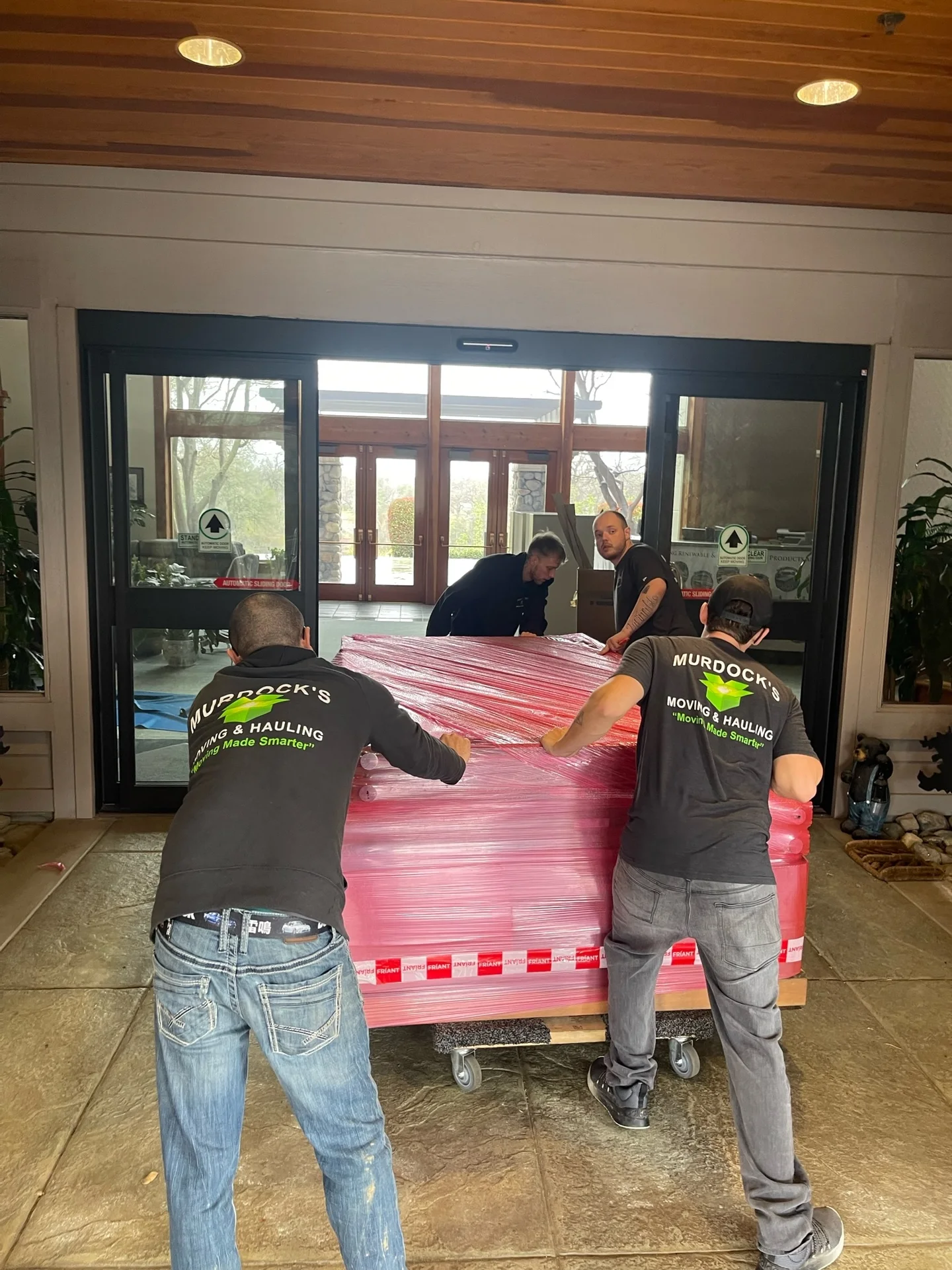
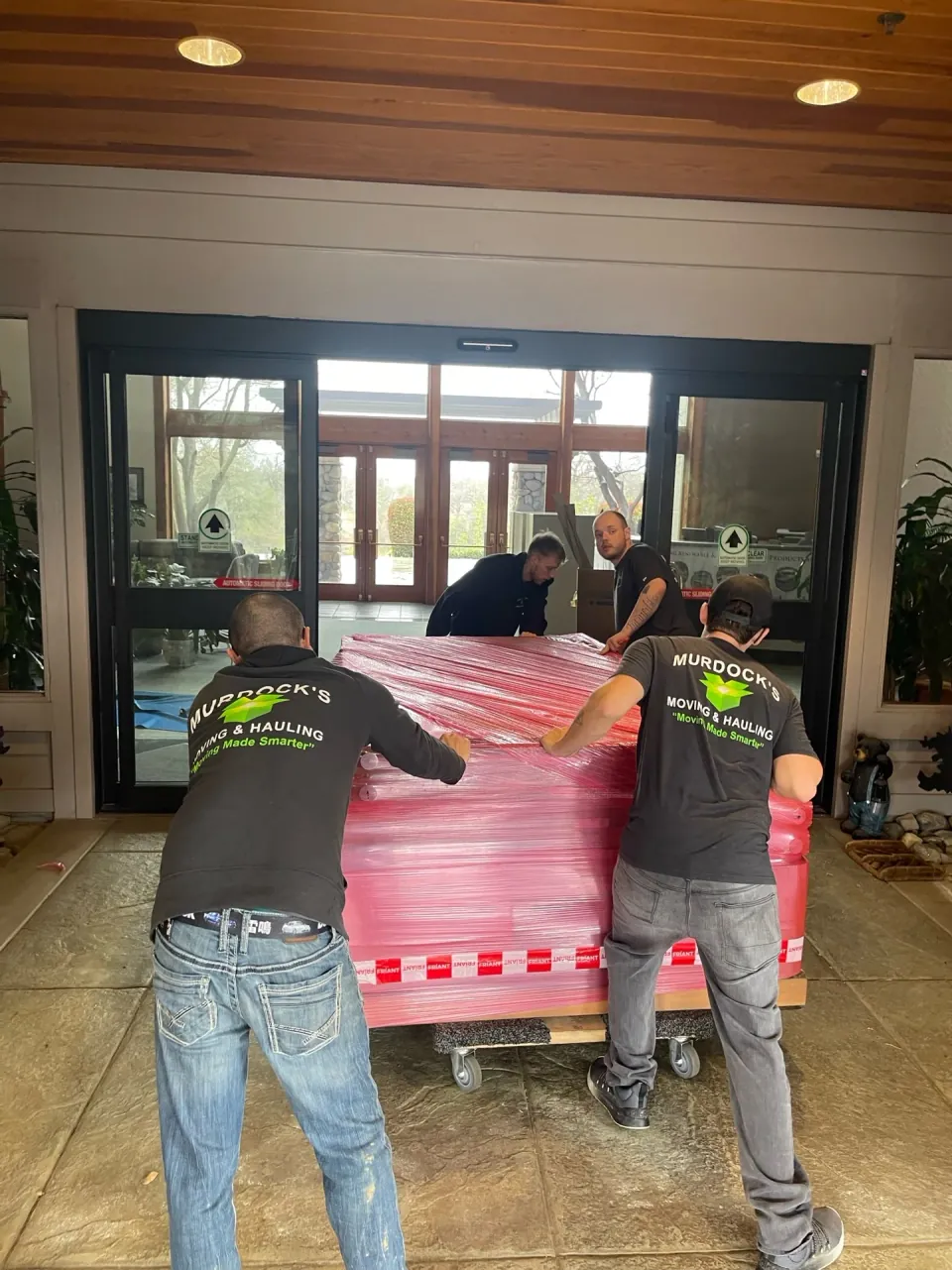
Murdock's crew rolling a shrink-wrapped piece on dollies through a building's sliding doors
  • Licensed & InsuredUSDOT 3421940 · MC 1416634
  • Locally OperatedChico + Yuba City
  • Sacramento ValleyChico · Yuba City · Sacramento

Start your medical admin & billing office move quote

verifiedFor estimate purposes onlycredit_card_offNo credit card required

Planning a Medical Admin & Billing Office Move

A health system's admin space off campus looks nothing like its clinics. There are no exam rooms, just long rows of benching where coders, billers, schedulers and call-intake staff sit shoulder to shoulder, plus a supervisors' row, a mail and scanning room, and a line of locked shred consoles. These offices usually sit a short drive from the hospital they support, whether that is Enloe, Rideout, or the Roseville campuses.

Density is what makes these moves hard. Rows of desks look identical, yet each one belongs to a particular person with a particular headset, second monitor and footrest. So the plan runs on seat codes. Your seating chart gives everyone an old and new seat; the code goes on the worksurface, pedestal, monitor arm, chair, headset bag and carton, and your telecom team works from the same list.

Paper still matters in billing: remittance mail, payer correspondence and files not yet scanned. Staff box and seal it, and we carry the closed cartons to the room your supervisor names.

Who usually signs off
Revenue cycle or business office director, with billing, scheduling and intake supervisors approving the seating chart
Timing that works
Billing rows after month-end close, scheduling on an evening, and call intake in halves so the phone line stays staffed.

What typically moves

  • Coder and biller benching with privacy screensHardware, cable trays and screens bagged per worksurface and tagged with the seat code.
  • Call-intake stations and acoustic dividersDividers follow the seat map so each intake agent returns to a numbered position.
  • Headsets, footrests and desk lampsBagged per seat, because these are the pieces staff notice missing first.
  • Supervisor row desks and whiteboardsSet first on the new floor so supervisors can watch the rows fill in around them.
  • Mail and scanning room shelving and sort traysMoved in mail-room order so incoming payer mail has somewhere to land.
  • Locked lateral files and staff-sealed records cartonsFiles stay locked; staff seal the cartons and name each one's destination.
  • Task chairs set to one userTagged under the seat with the seat code, so each person gets their own chair back.

Access and scheduling

Billing and intake work runs on deadlines that do not pause for a move. Month-end close, claim submission runs and the hours the call line is staffed decide which rows can go dark and when. Most offices move in waves: scheduling one evening, billing after a close, and call intake over a weekend, with calls routed to another site or to staff working from home if your phone vendor sets that up.

Leased suites in the Roseville and Rocklin office parks, Natomas or north Chico usually share a loading door and elevator with other tenants, so we book those through the property manager and send a certificate of insurance where the lease requires one. Before loading, post the new seat map at the entry and tape row letters to the floor at each aisle end. Setting rows in order from the far wall keeps wrapped desks from blocking aisles still being built.
Protection and handling

Identical benching is where parts go missing, so every station's hardware, cable tray and privacy screen stays bagged with its own worksurface under the seat code. Monitor arms come off the desk and ride in padded cartons with the monitor they hold. Headsets go into sealed bags marked with the seat code, and chairs carry the same code on a tag under the seat, since height and tension are set for one person.

We can unplug the computers and monitors, pad them and plug them back in at the matching seat; logins, softphones and call routing belong to your IT and telecom teams. Mail trays and scanning-room shelving move in the order the mail room works. Shred consoles belong to your shredding vendor, which usually swaps them out at the new office rather than having full bins moved. Records cartons are sealed by staff, and we set them where the supervisor directs.

Who does what

Some of this job belongs to other trades. The written plan names each one.

Headset base units, softphones and call routing
Your telecom vendor assigns extensions to the new seats and routes calls during the switch. We place handsets and bases at the coded stations.
Shred consoles and bulk shredding
Your shredding vendor pulls the old consoles and delivers fresh ones to the new office.
Workstation power in benching spines
A licensed electrician connects spine power to the building. We move the spines as labeled parts.

Not part of our work

  • Opening, sorting or scanning records, remittance mail or payer correspondence.
  • Programming phones, routing calls, or setting up accounts and software access.

Around Chico, Yuba City and Sacramento

Off-campus admin and billing floors in the Valley often sit in office parks rather than on hospital grounds: the Roseville and Rocklin parks near Sutter Roseville and Kaiser Roseville, Natomas and the I-80 corridor in Sacramento, north Chico within reach of Enloe, and Marysville and Yuba City near Adventist Health / Rideout.

The crew that shows up

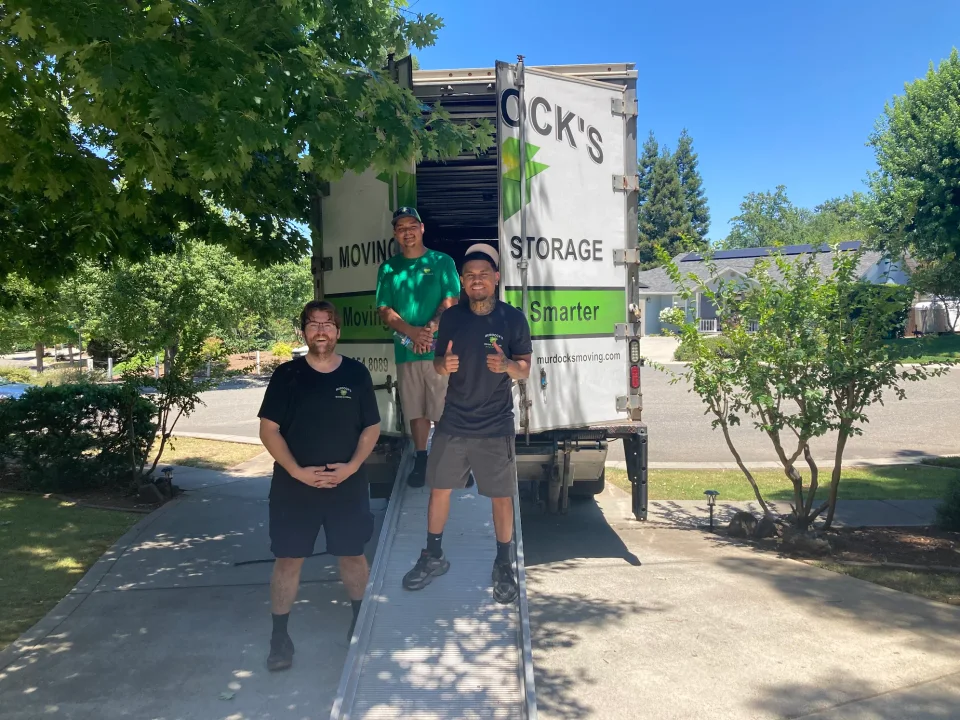
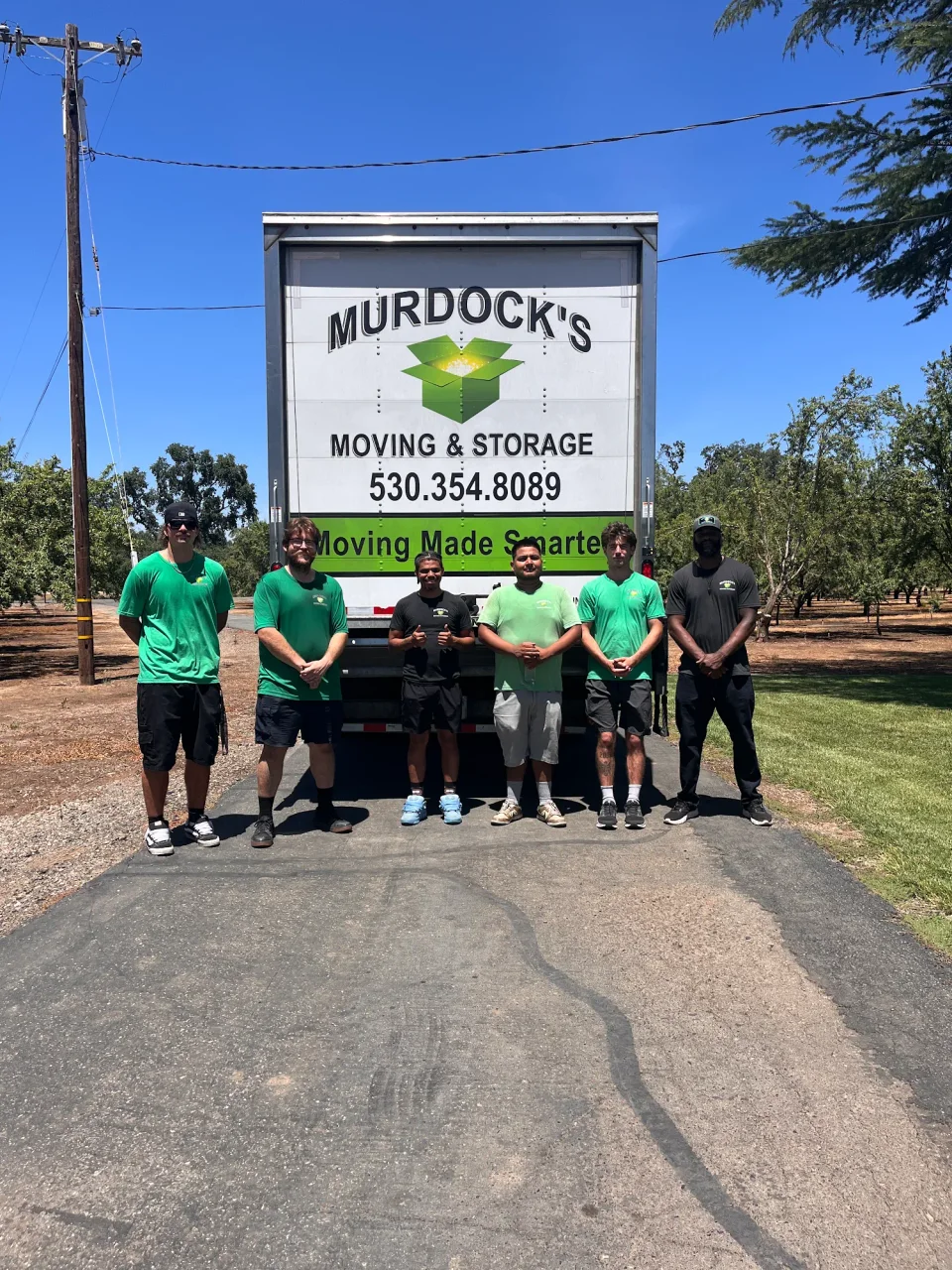
Murdock’s movers working the loading ramp of an open box truckThe Murdock’s crew lined up behind the truck on an orchard road in Butte CountyMurdock’s crew rolling a shrink-wrapped piece on dollies through a building lobby

Medical Admin & Billing Office Moving FAQs

Another question? Call (530) 354-8089.

Our patient call line cannot go silent. How do we move the intake team?

Usually in two halves. Your telecom vendor routes calls to the half that stays, or to agents working from home, while we move the other half's stations, and then the halves swap. Each station is tagged with its new seat code, so the second group sits down at a complete desk. The routing itself is your vendor's to set and test.

Should the billing team move before or after month-end close?

After, in most offices. Once the close is done and claims have gone out, the billing rows can be packed over an evening or weekend on request and set before the next workday. Scheduling and intake rows can move earlier if their deadlines allow. Your billing lead picks the date, and we plan the loads around it.

How do we stop headsets and monitors ending up at the wrong desks?

Give every person an old and new seat code on one chart. We tag the worksurface, pedestal, chair, monitor carton and headset bag with the same code, and your telecom team uses that chart to set extensions. At the new office each row is placed in order, so a mismatch gets caught before the last truck leaves.

What happens to our locked shred consoles during the move?

Most shredding services own their consoles, so ask yours to pull the old ones and deliver fresh consoles to the new address on your move date. That keeps full bins off the moving truck. Loose paper waiting to be shredded should go into a console before packing starts, not into moving cartons.

Plan your business move

Tell us both addresses, the building rules you know about, and the dates you cannot move. We will send back a written plan and estimate.

Call (530) 354-8089

Mon–Sat 8:00 AM–6:00 PM · Sun 10:00 AM–4:00 PM

Call Nowcall530-354-8089