Education, Civic & Community

University Department Moving in Chico and Sacramento

Faculty libraries packed by shelf, the main office moved in the order you choose, and the bench side of every lab-office left to your technicians.

(530) 354-8089
University Department moving in the Sacramento Valley: Murdock's crew at work
  • Licensed & InsuredUSDOT 3421940 · MC 1416634
  • Locally OperatedChico + Yuba City
  • Sacramento ValleyChico · Yuba City · Sacramento

Start your university department move quote

verifiedFor estimate purposes onlycredit_card_offNo credit card required

Planning a University Department Move

A single department moving at Chico State or Sacramento State has a staffing problem before it has a furniture problem. Many faculty are away for the summer, which is exactly when the move happens, so the department coordinator ends up deciding how to pack offices whose owners are gone. It goes more smoothly when each professor leaves a short note in May: what can be boxed, what stays untouched, and where the books go.

Faculty libraries are the heavy part. Years of books and journals fill more cartons than the furniture around them, and most professors want their shelves back in the order they left them. We pack by bookcase and shelf, number the cartons, and shelve them in the same sequence at the new office when asked.

Lab-offices get a line drawn through them. The desk, chair, files and ordinary shelving are ours to move. The benches, instruments, samples and chemicals stay with the lab manager and the department's technicians, who decide what leaves and when.

Who usually signs off
Department chair or administrative coordinator approving the suite inventory with campus facilities
Timing that works
Usually summer, after faculty leave packing notes in May, or the winter break; the main office moves in whatever order keeps advising open.

What typically moves

  • Faculty book collections and journal runsPacked by bookcase and shelf with numbered cartons, so they can go back up in the order the professor keeps them.
  • Faculty desks, returns and guest chairsWrapped for corridor turns and set to the new office's sketch, or to the old layout if no sketch is given.
  • Shared graduate-student and adjunct officesSeveral people per room, so each desk and cabinet carries a person's name as well as the room number.
  • Department main-office counter and mail slotsOften moved first so the office can see students; mail-slot units travel with their name strips in place.
  • Conference-room table and seminar chairsTable sections and bolts are bagged together and set up in the new conference room.
  • Lab-office desks, files and ordinary shelvingOnly the office side of the line; benches, instruments and materials stay with the lab manager.
  • Faculty desktops and monitorsBoxed with their cables and set up again on the professor's new desk.

Access and scheduling

A department move is small enough that it usually shares the building with people who are staying put. We ask the coordinator to confirm with facilities which service entrance and elevator the crew may use, and whether the elevator needs a key or a booking. Hallway staging is limited to what fire rules and the neighbors will accept, so carts run in short trips from office to elevator instead of piling up outside a suite.

If the new space is across campus, loading and unloading are planned as two dock windows. If it is in the same building, there may be no truck at all, only carts and the freight elevator. Either way, offices go in the order the chair sets, often the main office first so the department can answer phones and see students. Evening elevator time can be arranged on request in buildings kept busy by summer classes.
Protection and handling

Book cartons stay small so they can be lifted and stacked safely, and each is marked with the professor's name, the bookcase and the shelf. Oversized atlases, bound journals and framed diplomas get their own cartons or pads. Desks and bookcases are wrapped for tight corridor turns, and shelves travel beside their own case, so the new office does not end up with mismatched pins.

Nothing is packed from the lab side of the line. Research notebooks, sample boxes, hard drives and anything a professor wants to carry personally are set aside by department staff, and we leave those shelves alone. Filing cabinets holding student records can move locked, with the keys going to the coordinator. Faculty desktops and monitors travel padded and are hooked up again at the new desk; accounts and campus printers stay with campus IT.

Who does what

Some of this job belongs to other trades. The written plan names each one.

Lab benches, instruments, samples and chemicals
The lab manager, department technicians and the instrument vendor pack, move and recalibrate them, along with whatever the campus safety office requires.
Service elevator keys, building access and dock time
The department coordinator arranges them through campus facilities; we work inside the times given.
Network, phones and printers on the campus system
Campus IT moves service and tests it after the desks are in place.

Not part of our work

  • Packing a faculty member's research notebooks, drives or materials unless the professor or coordinator directs it.
  • Handling chemicals, biological samples or anything on the lab side of the line.

Around Chico, Yuba City and Sacramento

At Chico State, many department offices sit in older multi-story halls around the central campus, where elevators can be small and shared with classrooms. At Sacramento State, departments sometimes move when new space opens elsewhere on campus. In both places, July heat makes an early start the easier way to carry cartons between buildings.

The crew that shows up

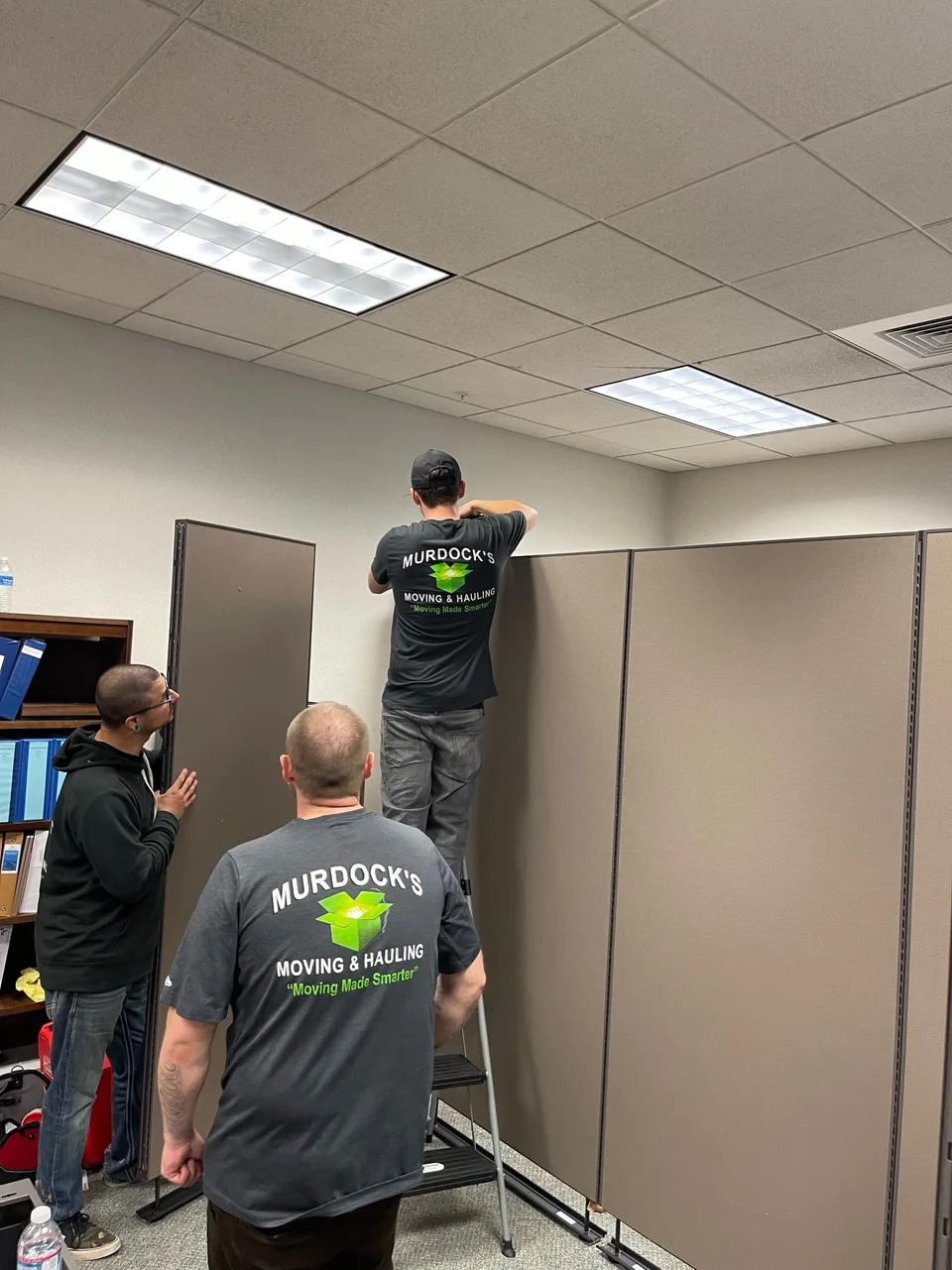
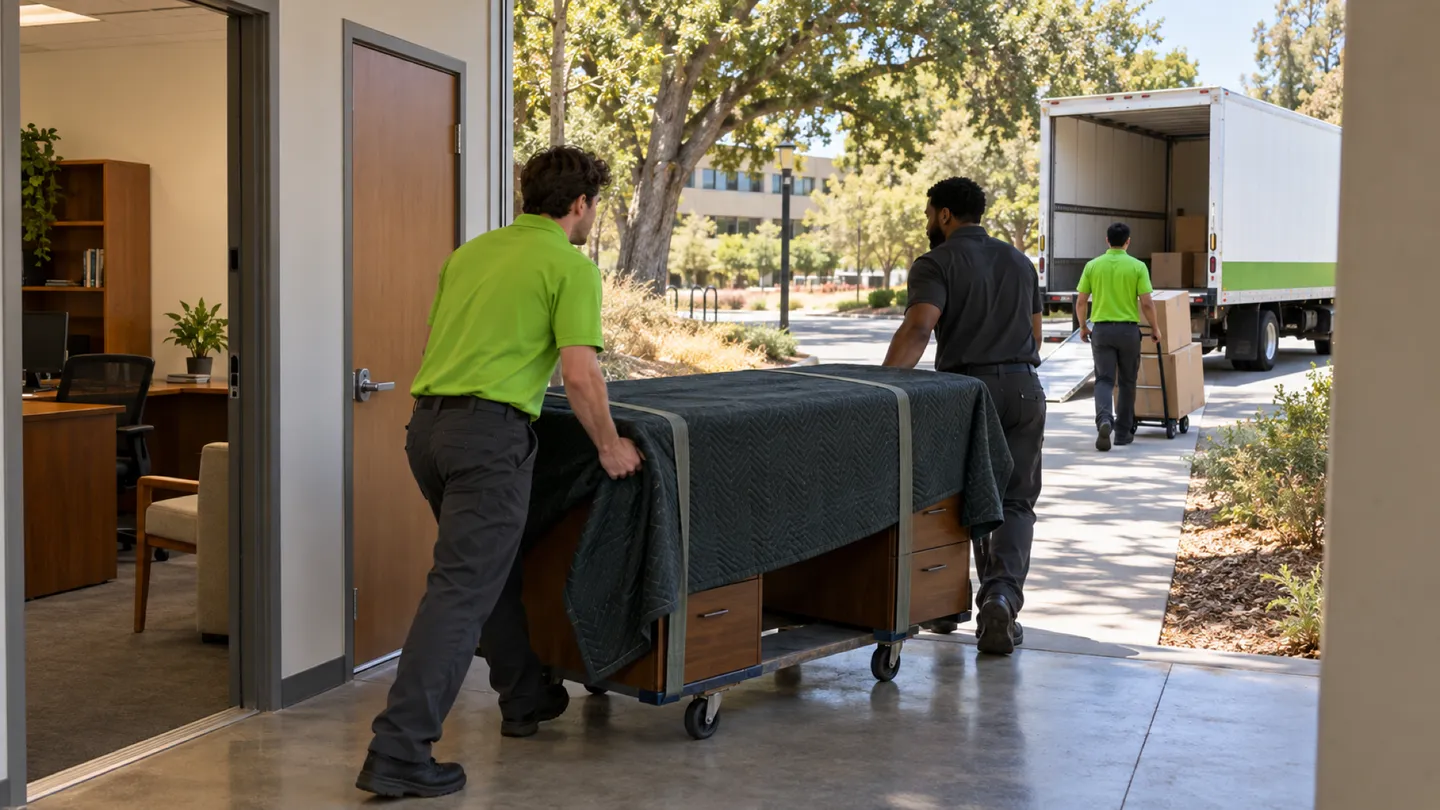
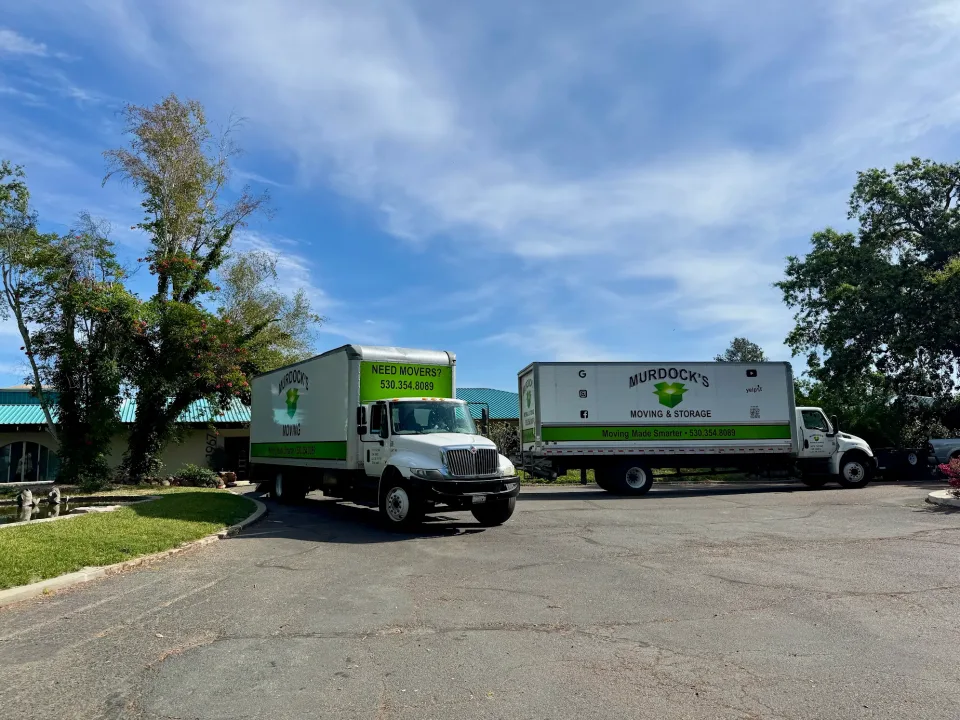
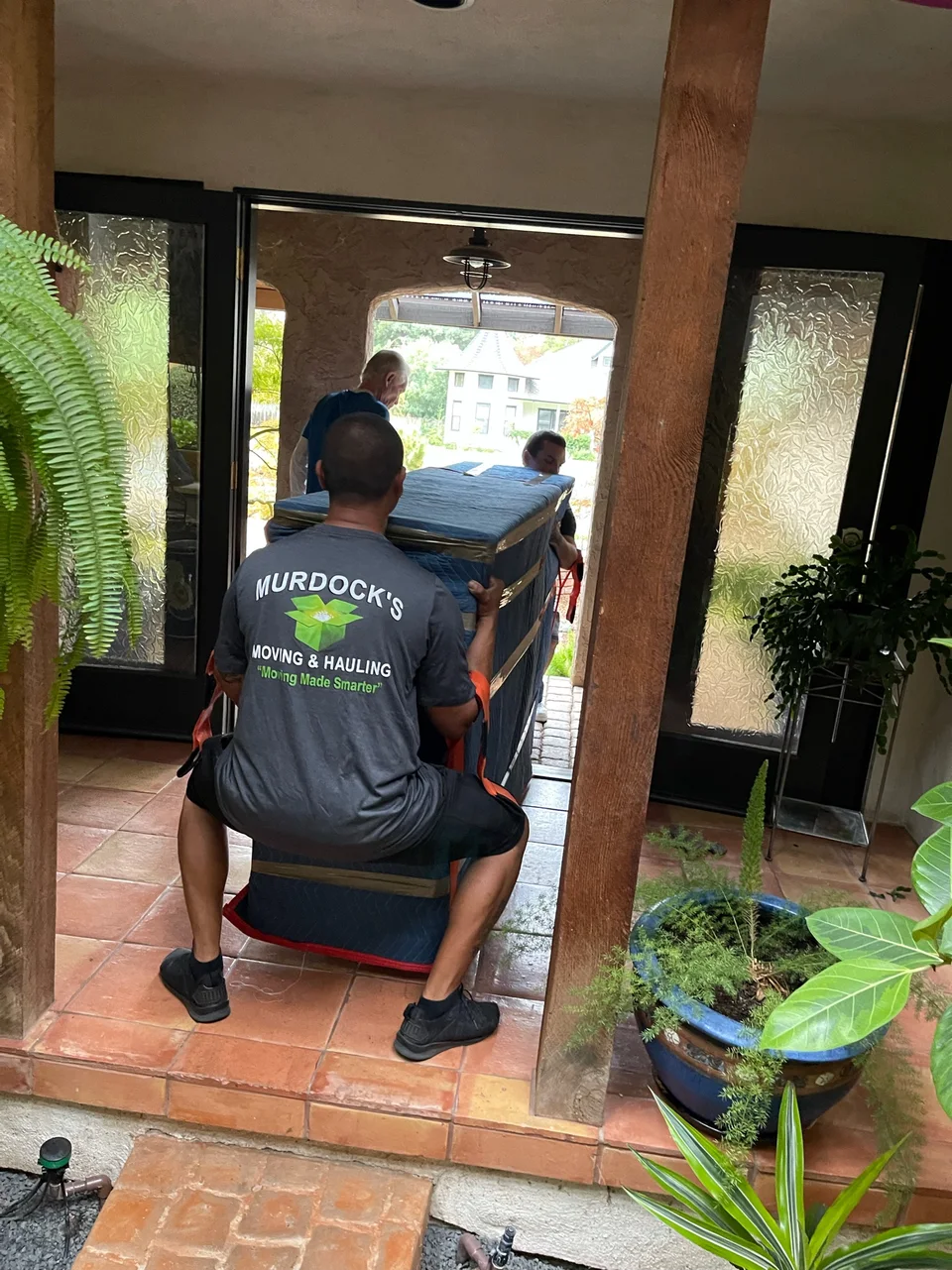
Two Murdock’s box trucks staged outside a single-story building in the Sacramento ValleyMurdock’s crew carrying a pad-wrapped piece through a tiled entrywayMurdock’s crew rebuilding cubicle panels in an office, one mover on a step ladder

University Department Moving FAQs

Another question? Call (530) 354-8089.

Several of our faculty are away all summer. Who decides how their offices get packed?

The department coordinator, working from whatever each professor leaves behind. A one-page note per office works well: what can be boxed, what stays untouched, and which shelves matter most. We pack to that note, set aside anything flagged for the professor, and either shelve the books or leave cartons stacked by shelf, whichever the note asks for.

Can you put a professor's books back on the shelves in the same order?

Yes, on request. We number cartons by bookcase and shelf as we pack, then unload them to the matching bookcase and shelve them in sequence. If the new office has a different shelf layout, the professor or coordinator tells us which old bookcase maps to which new wall, and we follow that.

Should our department's main office move first or last?

Whichever your chair prefers. Many departments move the main office first on the new side, so advising and phone coverage resume quickly, and the faculty offices follow. Others keep the old main office running until the end. We sequence the carts and elevator trips to match the order you set.

A professor's desk sits right beside the lab bench. How do you split that room?

We draw a line through it with the lab manager during the walkthrough. Everything on the office side goes on our list. Everything on the bench side stays with the lab manager, the technicians and the instrument vendor, who decide when it leaves. We can tape the boundary on the floor so nobody on move day has to guess.

Plan your business move

Tell us both addresses, the building rules you know about, and the dates you cannot move. We will send back a written plan and estimate.

Call (530) 354-8089

Mon–Sat 8:00 AM–6:00 PM · Sun 10:00 AM–4:00 PM

Call Nowcall530-354-8089